
Litter box aversion is the leading behavioral reason cats are surrendered to shelters, and most cases are preventable with the right setup. Cats are hardwired to use a clean, private, appropriately sized substrate for elimination — when the box fails them (wrong size, wrong location, not cleaned frequently enough, or shared with too many cats), they find alternatives, usually the owner's laundry or a corner of the bathroom. The rule of thumb is one box per cat plus one extra, scooped daily and fully replaced every 2–4 weeks. Size matters more than aesthetics: the box should be at least 1.5 times the cat's body length. This guide covers ten litter boxes across different types — covered, top-entry, self-cleaning, and low-entry for senior cats — with context on which situations each type serves best.
Top 10 Cat Litter Boxes
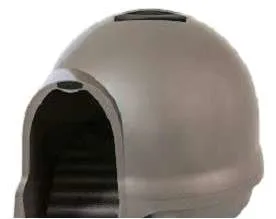
Petmate Booda Dome Cleanstep Cat Litter Box
It is a covered litter box that features a unique design to help reduce litter scatter and odors. The litter box has a step-like entrance that helps to catch litter from your cat’s paws, and the enclosed dome design helps to contain litter and odors. The litter box also comes with a replaceable charcoal filter that helps to further reduce odors.
The Petmate Booda Dome Cleanstep Cat Litter Box is made of durable plastic and is easy to clean. The litter box has a removable pan that makes it easy to scoop out waste, and the dome can be easily wiped clean. The litter box also has a built-in handle that makes it easy to transport.
The Petmate Booda Dome Cleanstep Cat Litter Box is a good choice for cats who are litter scatterers or who are sensitive to odors. The litter box is also a good choice for homes with multiple cats.
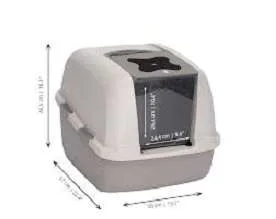
Catit Jumbo Hooded Cat Litter Pan
The Catit Jumbo Hooded Cat Litter Pan is our top pick for the best overall cat litter box. It’s large enough for even the largest cats, and the hooded design helps to keep odors contained. The litter pan also comes with a carbon filter to further reduce odors.
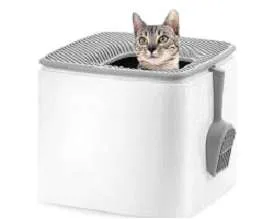
IRIS Top Entry Cat Litter Box
The IRIS Top Entry Cat Litter Box is a great option for cats who kick litter out of the box. The top-entry design makes it easy for cats to enter and exit the box, and the high sides help to keep litter contained.
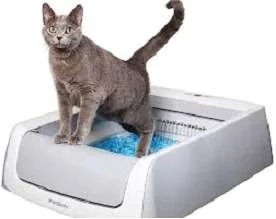
PetSafe Self-Cleaning Cat Litter Box
The PetSafe Self-Cleaning Cat Litter Box is another great option for automatic litter boxes. The litter box uses a rake to automatically sift out waste and deposit it into a waste drawer.
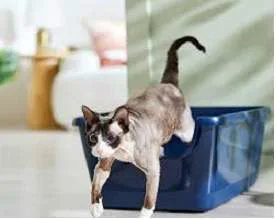
Frisco High Sided Cat Litter Box
The Frisco High Sided Cat Litter Box is a budget-friendly option that’s still a great value. It’s made of durable plastic and has high sides to help keep litter contained.
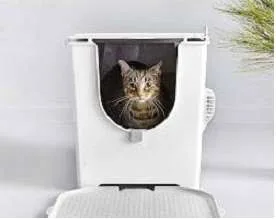
ModKat Flip Litter Box
The ModKat Flip Litter Box is a unique litter box that features a built-in liner. The liner makes it easy to scoop out waste, and the litter box itself is easy to clean.
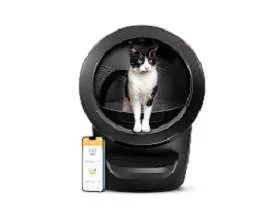
Whisker Litter-Robot 4
The Whisker Litter-Robot 4 is an automatic litter box that’s perfect for busy cat owners. The litter box automatically sifts out waste and deposits it into a waste drawer, so you don’t have to scoop.
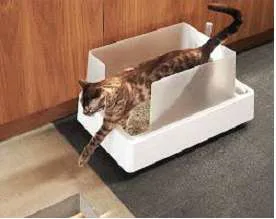
Tuft & Paw Cove Litter Box
The Tuft & Paw Cove Litter Box is a high-end litter box that’s made of bamboo. The litter box is stylish and durable, and it comes with a carbon filter to help control odors.
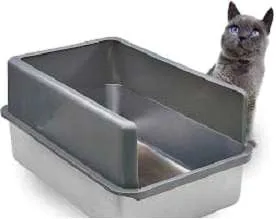
iPrimio Cat XL Litter Box
The iPrimio Cat XL Litter Box is a large, stainless steel litter box that’s perfect for multiple cats. The litter box is durable and easy to clean, and it comes with a built-in litter scoop.
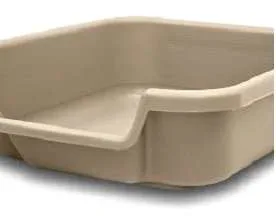
KittyGoHere Senior Cat Litter Box
KittyGoHere Senior Cat Litter Box is designed litter box for senior cats. The litter box has a low entry and a ramp, making it easy for senior cats to get in and out.
Litter Box Rules That Prevent Most Problems
The N+1 rule: One box per cat plus one additional box. Two cats need three boxes minimum. This prevents competition for the single box, which is a common trigger for inappropriate elimination in multi-cat households.
Location: Spread boxes across different floors and areas of the home. A cat that feels trapped at the box (cornered in a closet) may avoid it, especially if there's another cat in the household that controls that territory. One box in a quiet, low-traffic area; one more accessible. Never place near the food bowl — cats instinctively avoid eliminating near food.
Litter depth: 3–4 inches of litter is ideal for most cats. Too little and the cat can't dig properly; too much and litter becomes unstable and uncomfortable to stand in. Cats that consistently dig through to the pan bottom need more litter.
Cleaning schedule: Scoop at least once daily — some cats refuse a box that has been used since the last scoop. Full litter replacement every 2–4 weeks and a thorough wash of the pan with mild unscented soap. Replace the plastic pan entirely every 12–18 months; plastic scratches hold bacteria that cleaning doesn't fully eliminate.
When to change the setup: Any change in litter box habits — avoiding the box, eliminating just outside it, blood in urine, straining — warrants a vet visit before assuming it's a box preference issue. Urinary tract disease, kidney issues, and diabetes all affect elimination habits and must be ruled out before making behavioral assumptions.
Frequently Asked Questions
My cat refuses to use the hooded litter box. What should I do?
Remove the hood. Some cats find enclosed boxes too confining, particularly anxious cats or cats that have been ambushed at the box by another cat. Open boxes give cats a 360-degree view of their surroundings, which many prefer. If the cat resumes using the box without the hood, the hood was the issue. High-sided open pans (like the Frisco High Sided) contain litter effectively without the enclosure problem.
Are self-cleaning litter boxes worth the cost?
For busy owners with 1–2 cats, yes. The Litter-Robot 4 and PetSafe ScoopFree reduce daily manual scooping to essentially zero and reduce odor significantly. The main caveats: some cats are initially nervous about the motorized mechanism; the waste receptacles still need emptying weekly; and the units require clumping litter (crystal litters for PetSafe, clumping clay or clumping crystal for Litter-Robot). For households with one cat that are reliably scooped daily, a standard open pan is equally effective at much lower cost.
What litter type works best in these boxes?
Unscented clumping clay litter is the starting point for most cats and most boxes — it clumps firmly, controls odor well, and is familiar to the majority of cats. Scented litters often smell good to owners but can deter cats, whose olfactory sensitivity far exceeds ours. For the IRIS Top Entry box, a clumping litter works best with the grooved lid — fluffier litters get caught in the grooves and make cleaning harder.
How do I transition my cat to a new litter box?
Place the new box next to the old one, with the same litter type, in the same location. Let the cat investigate and use both boxes without removing the old one. Once the cat is using the new box reliably (typically 1–2 weeks), remove the old box. Never remove the existing box before the cat has adopted the new one — this forces a choice the cat may resolve in your laundry basket.
Final Thoughts
The right litter box, cleaned consistently and placed thoughtfully, prevents the majority of litter box problems that lead to behavioral issues and veterinary visits. Prioritize size, accessibility, and cleanliness over aesthetics. For the full picture on litter box management, litter selection, and what elimination changes signal about feline health, see our complete guide to cat litter boxes and the cat care library.