
Connemara Pony Breed Guide: Ireland's Native Mountain Pony
Reviewed by Dr. Khurrum Shahzad Khosa, DVM
The Connemara pony is Ireland's only native breed and one of the most celebrated native ponies in the world. Bred over centuries on the wild Atlantic coastline and boggy mountain terrain of County Galway's Connemara region, these ponies are a product of one of Europe's harshest and most beautiful landscapes. What makes the Connemara remarkable is not just its hardiness — which it shares with other native mountain breeds — but the combination of qualities that distinguishes it from them: exceptional jumping ability, a genuinely kind and honest temperament, the bone and substance to carry adults, and the scope and athleticism that allows it to compete at surprisingly high levels of equestrian sport.
Origins and History
The Connemara region of western Ireland — the rugged, boggy landscape of County Galway west of Lough Corrib — has been home to native ponies since ancient times. Celtic settlers brought horses to Ireland from approximately 500 BC onwards, and subsequent Viking settlements in the 9th and 10th centuries likely introduced Norse pony blood — possibly ancestors of the Fjord or similar Scandinavian breeds. These early admixtures contributed to the native pony population that natural selection then shaped for survival on the Atlantic-facing bog and mountain terrain.
The most famous legend associated with the breed's refinement involves the Spanish Armada of 1588: when Armada ships were wrecked off the Connaught coast, Spanish Andalusian horses allegedly swam ashore and bred with native Connemara mares, contributing the refinement, substance, and jumping talent that distinguishes the breed. The historical evidence for this is unclear and debated, but the legend persists partly because the Connemara's quality, elegance, and extraordinary jumping ability does seem somewhat incongruous for a mountain pony evolved on Atlantic bogland.
What is documented is the Arabian and Thoroughbred influence introduced into Connemara breeding from the 19th century onwards. Arabian stallions were brought to Connaught and turned out on mountain commonage to run with native mares, which is credited with introducing the refinement of head, quality of movement, and enhancement of jumping ability that characterise modern Connemaras. In the early 20th century, some Thoroughbred blood was also introduced. The Connemara Pony Breeders' Society was founded in 1923 in Clifden, County Galway, and began the formal registration of the breed that has shaped modern Connemara breeding.
Breed Characteristics
The Connemara stands between 12.2 and 14.2 hands, with most ridden and competition Connemaras in the upper end of this range — 13.2 to 14.2 hands. Despite this relatively modest height, the Connemara presents with impressive substance: a deep body through the girth, strong hindquarters, substantial bone relative to size, and notably hard, well-formed feet that are a breed characteristic of considerable practical importance. Good feet are not just cosmetically desirable — they are the foundation of soundness, and the Connemara's typically excellent, tough hooves reflect its mountain heritage.
The head is a key breed point. The ideal Connemara head is refined and pony-like but with quality — straight or slightly concave profile reflecting the Arabian influence, large kind eyes widely set, small alert ears, and a generous, open nostril. The neck is of good length and well set-on, flowing into deep, well-laid-back shoulders. The forearm is strong, the cannon bone short and flat, and the joints clean and well-defined. The overall impression should be one of a quality pony of genuine substance, not a heavy cob nor a refined riding pony, but something distinctively in between.
Colour
Grey has historically been the most common colour in the Connemara and remains very prevalent in the modern breed — grey Connemaras are iconic in the show ring and dominate the visual identity of the breed. The prevalence of grey reflects the Arabian influence in the bloodlines, as the grey coat gene is strongly associated with Arabian breeding. However, Connemaras also come in bay, brown, dun, black, and roan. Dun with primitive markings — dorsal stripe and leg barring — is seen in some mountain-bred ponies and reflects the original native heritage. Chestnut and palomino occur occasionally. Piebald and skewbald are not accepted in the studbook.
Temperament
The Connemara temperament is one of the most valued and consistent aspects of the breed. The adjectives used most often by experienced Connemara owners and breeders are genuine, honest, kind, sensible, and courageous. This combination is rarer than it might appear — many breeds have some of these qualities, but the Connemara has them reliably across a wide range of individuals.
Genuine and honest in front of fences means the Connemara does not refuse, duck sideways, or put in a sudden stop when asked to jump. It looks at the fence, assesses it, and jumps it. This is a trainable quality that can be developed in many horses with patient work — but in the Connemara it tends to be innate, a product of the breed's selection for genuine usefulness in the field and on hunting terrain.
Sensible and kind means that the Connemara tends to be manageable by a range of riders, including children and less experienced adults. It is not hot, does not overreact to normal stimuli, and does not have the sharp, reactive edge of the more highly bred pony types. Courageous means that the Connemara will go through boggy ground, over ditches, across streams, and into unusual situations with willingness — a quality directly useful in the hunting field and cross-country work that its native habitat demanded.
The Jumping Ability of the Connemara
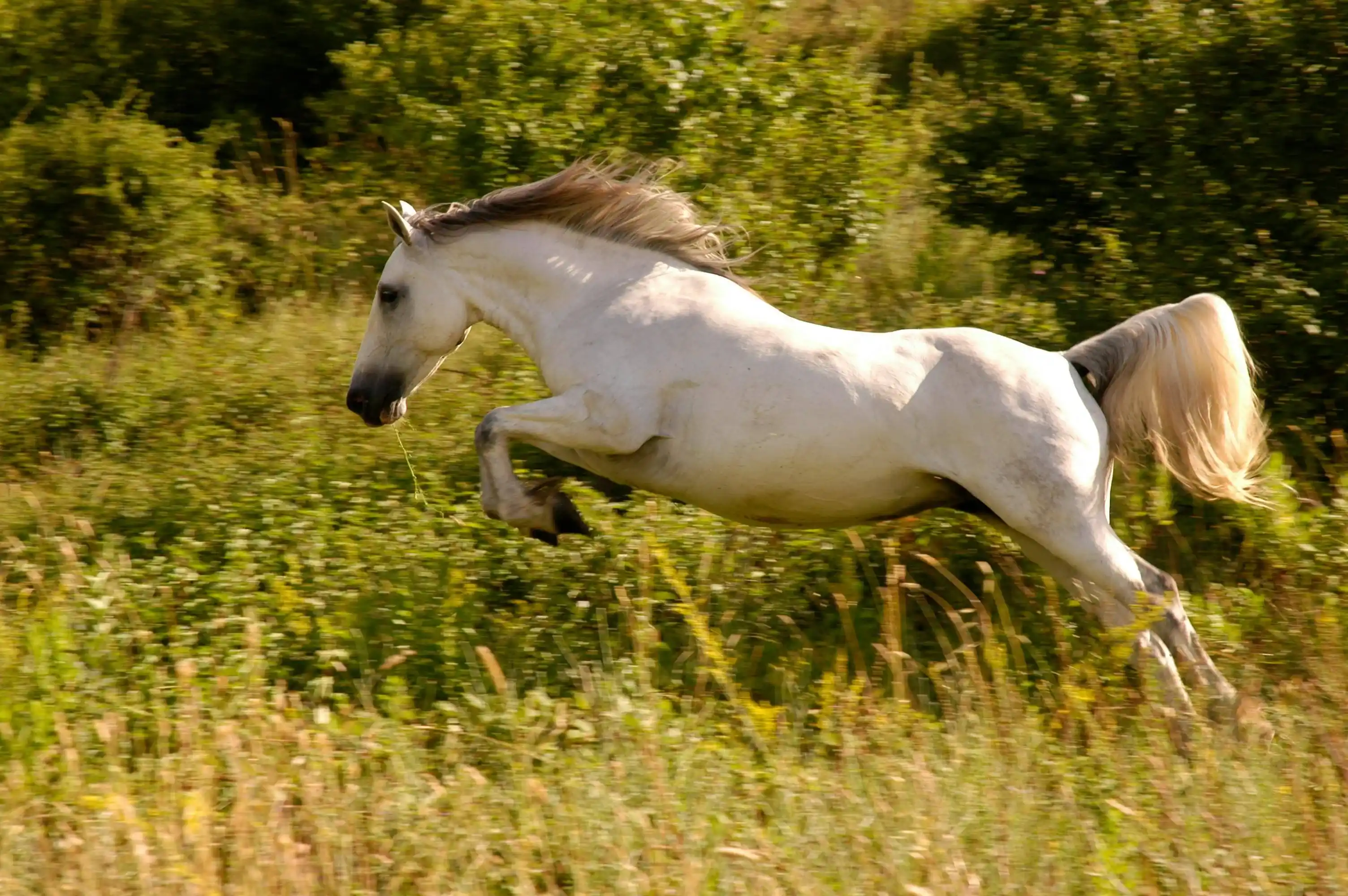
The Connemara's jumping ability is one of the most discussed and admired aspects of the breed, and it is genuinely exceptional for a native mountain pony. The combination of scope, technique, and boldness that good Connemaras display over fences regularly surprises people encountering the breed for the first time.
The most celebrated example is Dundrum — a grey Connemara stallion bred in County Tipperary, ridden by Tommy Wade in international showjumping competition in the 1960s. Dundrum competed at Nations Cup level, won classes across Europe, and famously cleared heights of over 7 feet in puissance competitions at leading international shows. As a 14.2-hand native pony competing against purpose-bred Warmblood showjumpers of 16 to 17 hands, Dundrum's success was extraordinary and remains the most vivid demonstration in equestrian history of what a native pony can achieve given correct training and opportunity.
The jumping ability that Dundrum exemplified is not a unique individual trait but a breed characteristic — expressed to varying degrees across the population but consistent enough to make Connemaras the dominant native breed in eventing and showjumping at pony level. The combination of natural scope, brave honest approach, agility from mountain heritage, and the physical strength of a horse in a pony-sized package produces a jumping pony of genuine ability.
Disciplines
The Connemara excels across a wide range of disciplines, which is a reflection of its genuine versatility rather than simply adequate performance in many areas. In eventing, the combination of cross-country boldness, jumping scope, and manageable temperament makes the Connemara and Connemara crosses consistently successful from novice through intermediate level. In showjumping, pure Connemaras and Connemara Sport Pony crosses compete at open level in pony and junior classes. In dressage, the breed's trainability and forward, rhythmic gaits lend themselves well to training up the levels, though the naturally more compact movement of a native pony requires patient schooling to develop the scope and expression that dressage judges reward.
In showing, the Connemara has a strong tradition both in Ireland and internationally, with large classes at the Dublin Horse Show, the Royal Welsh Show, and the Horse of the Year Show attracting some of the finest examples of the breed. In-hand classes for foals, yearlings, and mature animals alongside ridden classes for children and adults reflect the breed's appeal across age groups. The Connaught Championship at Clifden — held annually in August in the heart of the Connemara region — is the most prestigious Connemara show in the world and draws entries and visitors from many countries.
Hunting in the west of Ireland with Connemaras remains a tradition that connects directly to the breed's historical purpose, and many Connemaras are still hunted across the stone-walled fields, bogs, and rivers of County Galway by adult riders who appreciate the breed's genuine courage, sure-footedness, and stamina over a full day's hunting.
Crossing the Connemara
Connemara crosses — particularly Thoroughbred x Connemara — are among the most sought-after combinations in British and Irish sport horse breeding. The native hardiness, good feet, jumping ability, and honest temperament of the Connemara combine with the Thoroughbred's speed, scope, and athleticism to produce an animal of genuine quality that is capable of competing at high levels of eventing, showjumping, and showing.
Many successful Irish and British event horses carry significant Connemara blood — the breed's influence on the Irish sport horse, which is one of the most successful competition horse populations in the world, is considerable. Warmblood x Connemara crosses also occur and can produce quality dressage and jumping horses that benefit from the native foundation's ground-covering soundness and sensible temperament.
Health and Management
The Connemara is a hardy breed with relatively few breed-specific health issues compared to many more specialised breeds. Its good, tough feet reduce farriery challenges; its efficient metabolism supports health on modest nutrition; and its sensible temperament reduces management-related stress and injury. The primary health management considerations are those common to all native breeds.
Laminitis is a risk for Connemaras on modern improved pasture, though the breed is generally considered slightly less susceptible than the smallest native ponies such as Shetlands and Welsh Mountain Ponies, particularly when in regular work. The same principles apply: restricted grazing on lush pasture, avoidance of obesity, and careful management during spring and autumn grass flushes. Connemaras in regular work and lean body condition have significantly lower laminitis risk than unmanaged, overweight individuals.
The Connemara Pony Breeders' Society (established 1923 in Clifden, Ireland) and the British Connemara Pony Society jointly maintain breed standards and registration. The studbook is closed to outside breeds, with occasional exceptions for approved stallions subject to full performance and conformation inspection. This careful management of breed purity has preserved the distinctive Connemara characteristics while allowing the gradual refinement that has made the modern Connemara a more competitive sport pony than its mountain ancestors.
Frequently Asked Questions
Can an adult ride a Connemara pony?
Yes — the Connemara is one of the few native breeds that comfortably and genuinely carries adults. A well-built Connemara of 14 to 14.2 hands can carry adults up to approximately 85 to 95 kilograms for hacking, hunting, and competition. The breed's deep body, substantial bone, and strong hindquarters give it real carrying capacity beyond what its height alone suggests.
What are Connemara ponies used for?
Eventing, showjumping, dressage, showing in hand and under saddle, hunting, trekking, and driving. Crosses — particularly Connemara x Thoroughbred — produce outstanding sport horses for competition at all levels. The breed's genuine versatility makes it an ideal choice for families wanting one pony for multiple purposes.
Are Connemara ponies good for beginners?
Connemaras have a well-earned reputation for kindness, sense, and honesty that makes them accessible to less experienced riders. A well-schooled Connemara is typically a trustworthy, forward-going, genuine partner rather than a hot or sharp ride. They are an excellent choice for children advancing from their first pony and for adults new to riding.
What is the typical height of a Connemara?
The breed height range is 12.2 to 14.2 hands. Most ridden competition Connemaras stand between 13.2 and 14.2 hands. The breed's deep body and substantial bone relative to height means a 14-hand Connemara carries more weight and appears more substantial than many ponies of the same measurement.
What is the Connemara's jumping ability like?
Exceptional — arguably the best of any native pony breed. Connemaras jump with natural scope, boldness, and honest technique. The famous grey stallion Dundrum, ridden by Tommy Wade in the 1960s, cleared over 7 feet in puissance competition at international shows, competing against full-sized sport horses. This is not an individual talent but a consistent breed characteristic.
Disclaimer: This article is for educational purposes only and does not constitute veterinary advice. Always consult a licensed equine veterinarian for diagnosis and treatment.

About the Author
Mike Albert Pet Care Advocate & Equine Wellness WriterMike is a passionate advocate for the welfare of horses, birds, and fish. With a background in animal husbandry and equine management, he brings firsthand experience to every guide he writes, helping owners provide the best possible care for a wide range of pets.

✓ Veterinary Reviewed
Dr. Ali Ehtisham, DVM Equine & Large Animals Rood & Riddle Equine Hospital — USADr. Ali Ehtisham is a Pakistani-trained equine veterinarian with experience at Rood & Riddle Equine Hospital. He specialises in horse health, performance, and preventive equine care.
LinkedIn ProfileReviewed for medical accuracy — not a substitute for professional veterinary advice. Learn about our review process.