
Morgan Horse Breed Guide: America's First Breed
Reviewed by Dr. Ali Ehtisham, DVM
The Morgan horse holds a unique and extraordinary position in the history of horse breeding: it is the only American breed that traces all of its ancestry — without exception — to a single, documented foundation sire. More remarkable still, that foundation sire was a small, unprepossessing horse of unknown parentage born in rural Vermont around 1789, whose physical and temperamental qualities were so consistently transmitted to his offspring that he effectively established an entire breed. The Morgan is not just America's first recognised horse breed — it is one of the most compelling stories of equine genetics ever recorded.
The Foundation Sire: Figure, Known as Justin Morgan
The horse that founded the breed was born around 1789 in Vermont, USA. He was owned at various points by several people and worked throughout his long life as a farm horse, a racehorse, a log-pulling animal, and a general-purpose utility horse — the universal tasks of a working horse in early New England. During his time with his most famous owner, Justin Morgan of Randolph, Vermont, the horse became known locally simply as Justin Morgan — the common naming convention of the era where horses took the name of their owners.
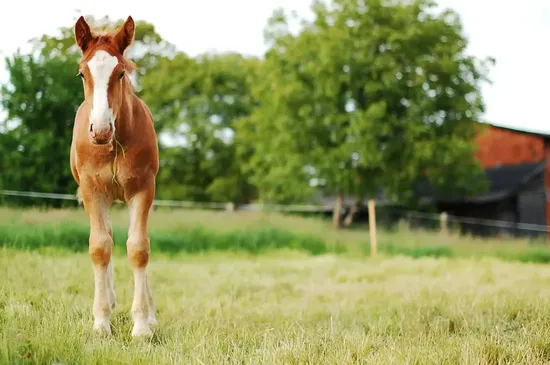
The horse's original name was Figure. What made Figure remarkable was the combination of qualities he possessed and — crucially — his extraordinary ability to transmit those qualities to his offspring with exceptional consistency. He stood approximately 14 hands high and weighed around 400 kg — compact and relatively small by the standards of the era. Yet he was documented as capable of out-pulling draught horses of considerably greater size in log-pulling competitions, winning weight-for-distance pulling contests against horses that should theoretically have vastly outclassed him. He also won races against horses bred specifically for speed, and was described by those who rode him as possessing exceptional endurance, a willing temperament, and a notably smooth, ground-covering trot.
His origins remain genuinely unknown despite considerable historical research. Contemporary theories have proposed Welsh Cob ancestry, Thoroughbred lines through a stallion called True Briton (also known as Beautiful Bay), Dutch influence, and Arabian bloodlines among many others. No definitive pedigree has ever been established. What is definitively established is that he passed his characteristics — compact conformation, extraordinary strength relative to size, exceptional stamina, willing and kind temperament, and smooth gaits — prepotently to his offspring, regardless of the quality of the mares he was bred to. He died in 1821, aged approximately 32 years, having left a legacy that has lasted more than two centuries.
Breed Characteristics and Conformation
The modern Morgan typically stands between 14.1 and 15.2 hands high, though individuals outside this range may be registered without issue. The breed standard describes a compact, muscular, and well-balanced horse combining substance and quality in equal measure. Key physical characteristics include a clean, well-defined head with a broad forehead, large, expressive eyes, and a slightly dished or straight profile; a well-arched, cresty neck set high on prominent withers; a short, strong back; well-muscled hindquarters; clean, hard legs with good bone; and naturally hard hooves that have traditionally required less shoe protection than many other breeds.
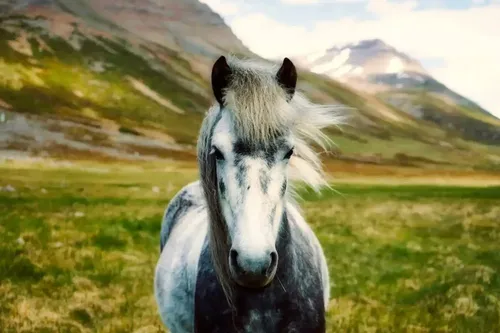
A characteristic feature of the breed is its naturally high tail carriage — Morgans carry their tails in an elevated, proud position that gives them an animated and distinctive appearance at all gaits. The gaits themselves are smooth, well-cadenced, and naturally animated without being artificially exaggerated: the trot in particular is ground-covering, active, and rhythmically correct. All common coat colours are found in the breed: bay, black, chestnut, and grey are the most common, with their standard variations. Roan, dun, and palomino also occur in the breed, though less frequently.
Temperament: The Morgan's Greatest Asset
If there is one characteristic that Morgan breeders, owners, and enthusiasts consistently describe above all others, it is temperament. The Morgan is known throughout the horse world for its willingness, gentleness, intelligence, and genuine enjoyment of human company and interaction. The breed consistently rates at the lower end of anxiety and reactivity scales compared to many other breeds, while remaining alert, responsive, and interested in its work — the ideal combination of a willing, thinking horse that is neither dull nor dangerously reactive.
Morgans are frequently described as "people horses" — they tend to seek out human contact, respond positively to attention and handling, and build strong bonds with regular handlers and riders. This makes them particularly forgiving of the handling errors and inconsistencies of less experienced riders and owners, while remaining interesting and engaged enough to satisfy the experienced horseperson. The combination of intelligence and willing temperament also makes them generally straightforward to train, with a tendency to remember lessons well and to try to understand what is being asked of them — qualities that trace directly back to the working utility demands placed on Figure and his early descendants.
Historical Uses
The Morgan was the universal utility horse of early America. In the first decades of the 19th century, a good Morgan would farm the land during the week, carry the family to church on Sunday, win races at the local fair in the afternoon, and pull the carriage home in the evening. This versatility — combined with the hardy, easy-keeping nature and sound constitution that have characterised the breed since its foundation — made the Morgan the most important horse breed in New England and a significant presence throughout the eastern United States for much of the 19th century.
During the American Civil War, the Morgan served prominently on both sides as a cavalry horse. The most celebrated Civil War Morgan was Rienzi — later renamed Winchester — the mount of Union General Philip Sheridan. Rienzi was described as having the classic Morgan characteristics: great endurance, reliability under fire, and a steady, willing temperament. Sheridan's famous ride from Winchester to Cedar Creek in October 1864 — a rapid 20-mile cavalry charge credited with reversing the outcome of the Battle of Cedar Creek — was made on his Morgan horse. Winchester was subsequently preserved through taxidermy and remains on display at the Smithsonian Institution.
Modern Disciplines
The modern Morgan competes successfully across a wide range of disciplines, reflecting the versatile heritage of the breed. In the show ring, the Park Morgan class showcases the breed's naturally elevated, animated trot — a high-stepping, brilliantly cadenced action that the breed produces without artificial enhancement and that has made them spectacular in hand and under saddle in traditional Morgan show classes.
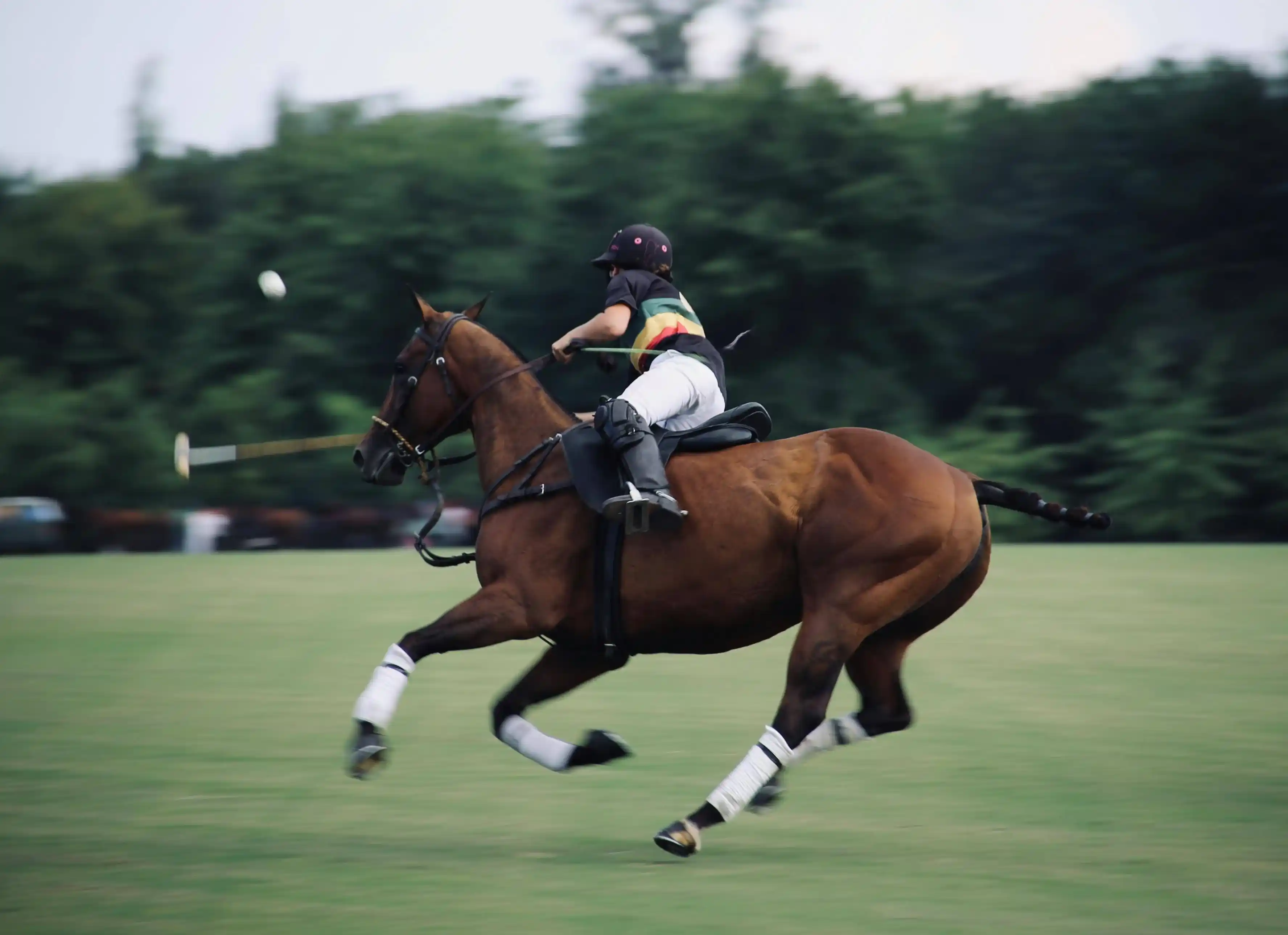
In English disciplines outside the traditional show ring, Morgans have proven genuinely effective in dressage — their natural collection, cadence, trainability, and intelligent response to subtle aids align well with dressage principles, and individuals have competed to FEI levels with appropriate development. In combined driving, the Morgan is exceptional: their natural carriage action, willing temperament, and stamina make them outstanding marathon and obstacle horses. Endurance and competitive trail riding play directly to the breed's ancestral strengths of stamina and efficient metabolism. Western pleasure, reining, trail classes, and ranch work are popular disciplines in the United States, where the breed has a strong following in both western and English communities.
Easy Keeping and Health Considerations
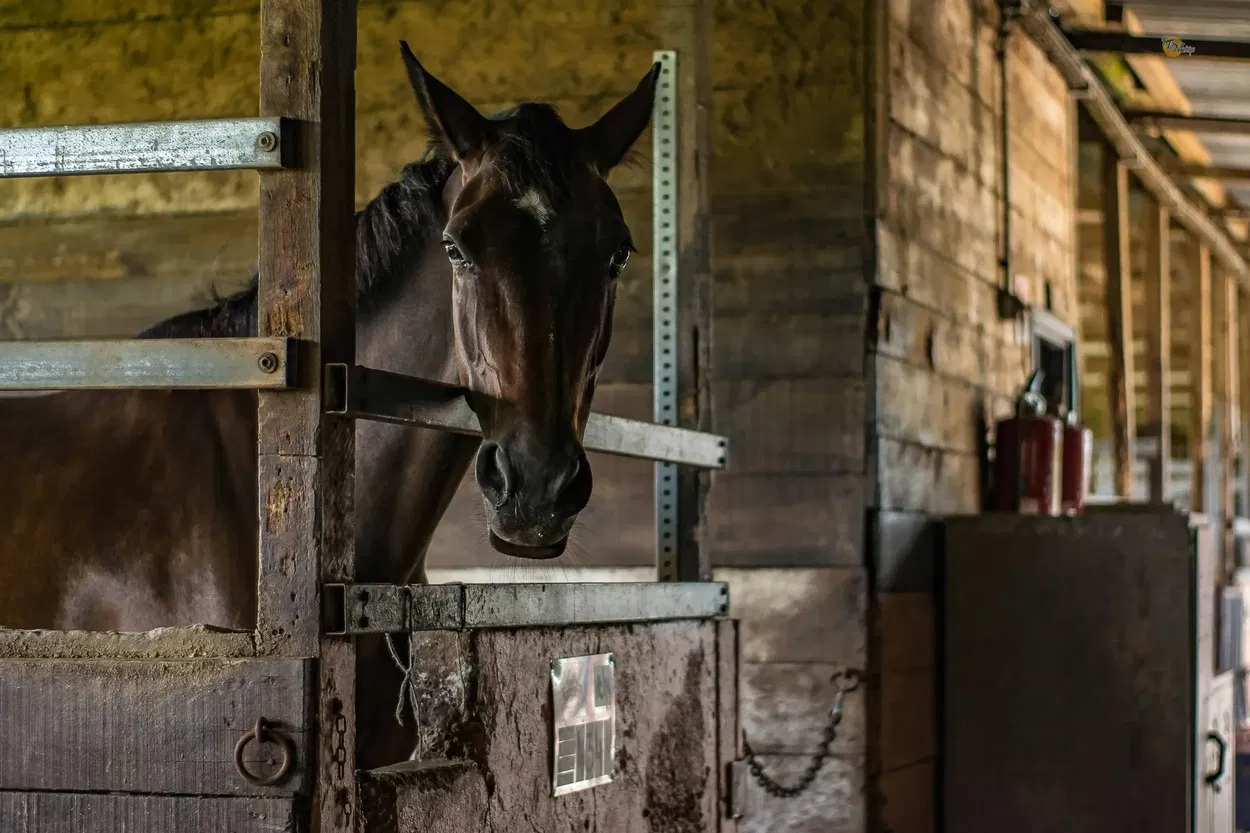
The Morgan's easy-keeping nature is one of its most celebrated and most practically significant characteristics. Many Morgans in light to moderate work thrive on good quality hay or pasture with a vitamin and mineral balancer, adequate salt, and water — without the substantial grain feeding required by many performance breeds. This makes them economical to keep and straightforward to maintain in good condition relative to their size and work capacity.
The same easy-keeping characteristic requires careful management to prevent the opposite problem: obesity. A Morgan given unrestricted access to good quality spring pasture or generous grain will readily become overweight, with the consequent risks of laminitis, equine metabolic syndrome (EMS), and musculoskeletal strain. The Morgan as a breed has a recognised susceptibility to EMS and insulin dysregulation — conditions driven by obesity and high-NSC feeding that are well-managed through appropriate diet, exercise, and body condition monitoring. See our broader horse health guides for guidance on managing laminitis-prone and metabolically sensitive horses.
Morgans are generally considered a hardy, robust breed with a sound constitution and a notably long working life — many Morgans remain competitive and active well into their twenties. The breed does carry a rare genetic condition specific to certain lines — MDWS (Morgan Drafty Weanling Syndrome), a developmental condition affecting a small number of foals in particular breeding lines. The American Morgan Horse Association (AMHA) in the United States and the British Morgan Horse Society in the UK maintain breed registries, standards, and health monitoring for the breed in their respective countries.
The Morgan's Influence on Other American Breeds
The Morgan's influence on the development of American horse breeds during the 18th and 19th centuries was profound. The breed's prepotent ability to pass its characteristics to offspring — the same quality that made Figure so remarkable — made it an invaluable breeding animal for developing new breeds suited to different American working demands.
The American Standardbred — the dominant harness racing breed in North America — was significantly shaped by Morgan bloodlines. The Standardbred's great foundation sire Hambletonian 10, from whose descendants most modern Standardbreds trace, had Morgan blood through his dam line. The Tennessee Walking Horse, known for its distinctive running walk, similarly has Morgan influence in its foundation genetics. The American Saddlebred — celebrated for its animated gaits and show ring presence — traces Morgan ancestry through several of its key foundation sires. The Morgan is, in this sense, not just a breed in its own right but the genetic bedrock upon which several other distinctively American horse breeds were constructed.
Frequently Asked Questions
Where do all Morgan horses come from?
Every registered Morgan traces to a single foundation sire — Figure, later known as Justin Morgan, born around 1789 in Vermont, USA. His origins are unknown, but his ability to pass his extraordinary qualities consistently to his offspring established the entire breed.
What are Morgan horses used for today?
Morgans compete successfully in western and English pleasure, dressage, combined driving, endurance, trail riding, and show ring disciplines including the animated Park Morgan class. They are also popular as family and all-round recreational horses.
Are Morgan horses good for beginners?
With appropriate individual selection and training, yes — the Morgan's willing, gentle, and intelligent temperament makes well-trained individuals suitable for confident novice to intermediate riders. Always trial with professional guidance before purchase.
Are Morgan horses easy keepers?
Yes — most Morgans thrive on good quality hay or pasture with a balancer, salt, and water. Grain should only be added if workload genuinely requires it. Their easy-keeping nature requires careful management to avoid obesity, particularly on spring and autumn grass.
Are Morgan horses related to other American breeds?
Yes — Morgan bloodlines contributed significantly to the foundation of the Standardbred, the American Saddlebred, and the Tennessee Walking Horse. The Morgan was a central genetic influence in American horse breed development through the 18th and 19th centuries.
Disclaimer: This article is for educational purposes only and does not constitute veterinary advice. Always consult a licensed equine veterinarian for diagnosis and treatment.

About the Author
Mike Albert Pet Care Advocate & Equine Wellness WriterMike is a passionate advocate for the welfare of horses, birds, and fish. With a background in animal husbandry and equine management, he brings firsthand experience to every guide he writes, helping owners provide the best possible care for a wide range of pets.

✓ Veterinary Reviewed
Dr. Ali Ehtisham, DVM Equine & Large Animals Rood & Riddle Equine Hospital — USADr. Ali Ehtisham is a Pakistani-trained equine veterinarian with experience at Rood & Riddle Equine Hospital. He specialises in horse health, performance, and preventive equine care.
LinkedIn ProfileReviewed for medical accuracy — not a substitute for professional veterinary advice. Learn about our review process.