

Dog multivitamins have become a crowded category, and the quality gap between products is substantial. At the top end, you have veterinary-formulated chewables with clinically relevant doses of key nutrients — Omega-3s, vitamins A, C, D, E, B-complex, plus minerals like zinc and selenium. At the bottom end, you have under-dosed products that offer little beyond what a complete commercial diet already provides. Whether your dog actually needs supplementation depends on their diet, life stage, and any health conditions: dogs eating a WSAVA-compliant commercial diet typically get adequate micronutrients without a multivitamin, but dogs on homemade diets, seniors, working dogs, or those recovering from illness benefit meaningfully from targeted supplementation.
The products below are four of the most consistently recommended dog multivitamins, covering soft chews, whole-food formulas, and freeze-dried options, followed by a broader look at the health and wellness products that support long-term canine health.
Top Dog Multivitamin Supplements
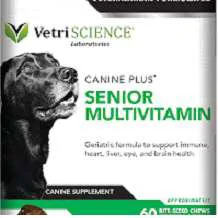
VetriScience Canine Plus Multivitamin Soft Chews
They are a comprehensive multivitamin that contains a variety of vitamins, minerals, and amino acids. They are also a good source of Omega-3 fatty acids, which are essential for heart health and cognitive function.
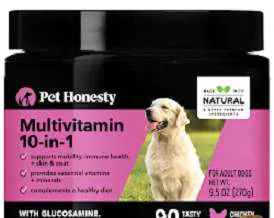
PetHonesty Multivitamin for Dogs
They are a natural multivitamin that is made with whole food ingredients. They are a good source of antioxidants, which can help to protect your dog’s cells from damage.
Nature’s Way Alive! Multivitamin for Dogs
They are a chewable multivitamin that is flavored with chicken and liver. They are a good source of vitamins A, C, and E, which are important for immune health.

ZiwiPeak Wild Dog Multivitamin
They are a natural multivitamin that is made with freeze-dried meat and organs. They are a good source of protein, taurine, and other nutrients that are essential for a healthy dog.
Dog Health and Wellness: Essential Products Beyond Multivitamins
Dental care is consistently the most underaddressed wellness category in dogs. Periodontal disease affects 80% of dogs over age 3, and the bacteria involved have links to heart, kidney, and liver disease. Daily tooth brushing with an enzymatic toothpaste (Virbac C.E.T. is the veterinary gold standard) is most effective; dental chews like Greenies VOHC-approved treats and water additives such as Oxyfresh are useful adjuncts for dogs that won't tolerate brushing. Monthly professional dental cleanings are recommended for dogs with heavy tartar accumulation.
Joint supplements are worth introducing before mobility problems become obvious, particularly in large breeds (Labs, Goldens, German Shepherds) after age 5. Glucosamine HCl and chondroitin sulfate are the most-studied compounds; Cosequin DS and Dasuquin with ASU are the formulas with the most clinical evidence for maintaining cartilage integrity. Omega-3 fatty acids (fish oil at 20–55 mg EPA/DHA per kg of body weight) have anti-inflammatory effects that complement joint supplements and also support coat condition and cognitive function in aging dogs.
Probiotics for dogs differ from human formulations — species-appropriate strains matter. Zesty Paws Probiotic Bites use Bacillus coagulans, which is heat-stable and survives stomach acid. Purina FortiFlora uses Enterococcus faecium SF68, the only canine probiotic strain with robust clinical trial evidence. FortiFlora is also used as a palatability enhancer on top of food, making it doubly useful for picky eaters or dogs on prescription diets.
Frequently Asked Questions
Does my dog need a multivitamin if they eat commercial dog food?
If your dog eats a complete and balanced commercial diet that meets AAFCO standards, a multivitamin is generally redundant — the food is already formulated to meet nutritional requirements. The cases where supplementation genuinely adds value: dogs on homemade or raw diets (which are often micronutrient-incomplete without careful formulation), senior dogs with documented nutrient absorption issues, dogs with specific diagnosed deficiencies, and working or sporting dogs with higher nutritional demands. Before adding any supplement, confirm the need with your vet rather than supplementing as a precaution — fat-soluble vitamins (A, D, E, K) can accumulate to toxic levels with chronic oversupplementation.
What is the difference between PetHonesty and VetriScience multivitamins?
VetriScience Canine Plus is positioned as a comprehensive formula with clinically relevant doses of B-vitamins, Omega-3 fatty acids, amino acids, and antioxidants — it is commonly recommended by veterinarians for dogs with higher supplementation needs. PetHonesty 10-in-1 emphasizes whole-food sourcing and natural ingredients, with a softer marketing angle toward preventive wellness. Both are soft chews with reasonable palatability. VetriScience tends to be preferred for therapeutic use; PetHonesty is a reasonable daily supplement for healthy adult dogs eating a complete commercial diet who could benefit from added Omega-3s and antioxidants.
At what age should I start giving my dog joint supplements?
For large and giant breeds (Labs, Goldens, Rottweilers, German Shepherds, Great Danes), many veterinarians recommend starting a joint supplement between ages 4 and 6 — before clinical signs of arthritis appear — because cartilage degradation begins earlier than symptoms suggest. For small and medium breeds, starting at age 7–8 is more typical. Glucosamine and chondroitin work best as preventive supplements when joint cartilage is still present; by the time a dog is visibly lame, the therapeutic window for structural benefit has often passed and pain management becomes the priority alongside supplementation.
Is Zesty Paws or Purina FortiFlora better for dog probiotics?
They serve somewhat different purposes. Purina FortiFlora is the most clinically validated canine probiotic — it contains Enterococcus faecium SF68 at a specific viable count, has multiple peer-reviewed studies supporting its use in acute diarrhea and post-antibiotic gut recovery, and is recommended by most veterinary internal medicine specialists for digestive disruption. Zesty Paws Probiotic Bites use Bacillus coagulans and multiple strains; they're more suitable as a daily wellness supplement for dogs without active GI issues. For a dog with diarrhea or recovering from antibiotics, FortiFlora is the more evidence-backed choice. For long-term daily gut maintenance in a healthy dog, Zesty Paws provides broader strain diversity.
Final Thoughts
Dog health and wellness products span an enormous range of quality and usefulness — from genuinely evidence-backed supplements like Purina FortiFlora and Cosequin DS to redundant products that duplicate what a complete diet already provides. The highest-value investments for most dog owners are: a WSAVA-compliant commercial diet, a veterinary dental program (daily brushing or VOHC-approved chews), regular parasite prevention, and a joint supplement started proactively in large breeds. Multivitamins are a useful adjunct for specific situations but shouldn't substitute for foundational care.
For a complete breakdown of dog nutrition, grooming, and preventive care, see our dog care resource hub and browse our guides on dog health and wellness products.