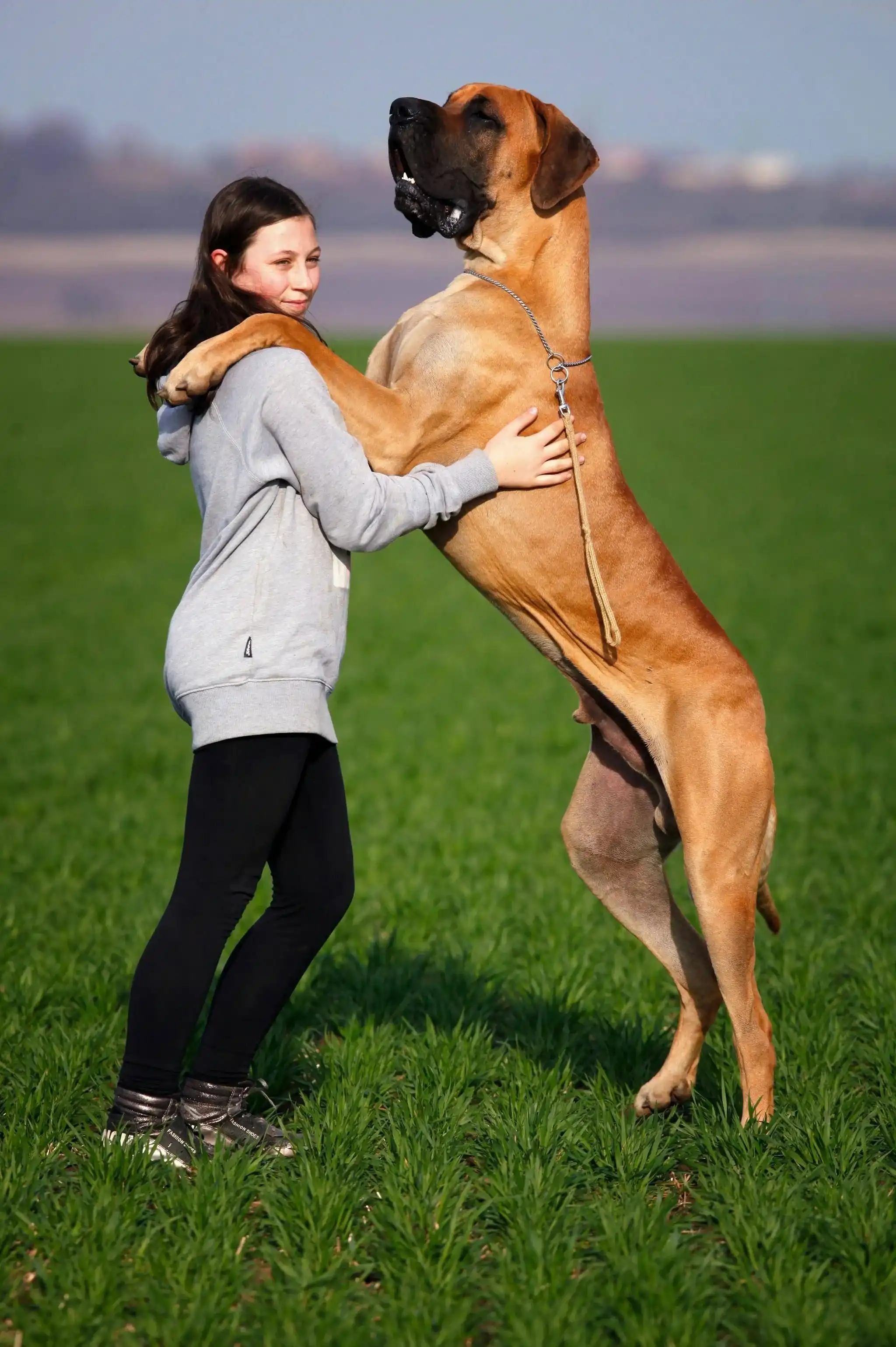

Doberman Pinscher Breed Guide: Loyal, Alert and Misunderstood
Reviewed by Dr. Jamshed Bilal, DVM
Few dog breeds carry as much misplaced reputation as the Doberman Pinscher. Popular culture has cast them as menacing attack dogs for decades, but people who actually live with Dobermans tend to describe something entirely different: a velcro dog, deeply loyal, sensitive, and affectionate, that happens to also be athletic, intelligent, and naturally protective. This guide cuts through the mythology to give you an honest picture of what living with a Doberman actually involves.
Doberman Pinscher Breed Overview
The Doberman Pinscher was developed in Germany in the 1890s by Karl Friedrich Louis Dobermann, a tax collector who needed a personal protection dog capable of accompanying him on potentially dangerous rounds. Dobermann worked as a dog catcher and had access to a variety of breeds, and the exact ancestry of the Doberman is not fully documented — though it is generally believed to include the Rottweiler, German Pinscher, Weimaraner, and possibly the Black and Tan Terrier. The resulting dog was exactly what its creator needed: alert, fast, strong, and fiercely loyal to its handler.
The breed was further refined after Dobermann's death by Otto Goeller, who is credited with establishing the breed type. Dobermans were used extensively in both World Wars — the US Marine Corps employed them as war dogs in the Pacific theatre, where they were valued for their intelligence and courage. Today the Doberman Pinscher ranks around 17th in AKC registration, maintaining a devoted following among those who understand what the breed truly is. There is an important distinction between the European Doberman and the American Doberman: European lines are bred primarily for working ability and tend to be larger, more muscular, and more driven; American lines have been selected more for conformation and companionship and tend to be sleeker, lighter, and somewhat more tractable for first-time owners.
The Truth About Doberman Temperament
Dobermans are not naturally aggressive toward people, and extensive temperament testing data supports this. They are a guarding breed, which means they are naturally alert and will assess threats — but natural guarding instinct in a well-socialised dog manifests as watchfulness and discrimination, not random aggression. A well-bred Doberman has a stable, self-assured temperament: it does not startle at ordinary stimuli, it does not escalate without cause, and it is capable of switching off its alert state when the owner communicates that all is well.
What Dobermans genuinely are is deeply bonded and highly sensitive. They form intense attachments to their families and follow their people from room to room — earning the nickname "velcro dog" from Doberman owners everywhere. This sensitivity makes them remarkably responsive to training and to the emotional state of their household, but it also means they do not cope well with being left alone for long periods, and they are not suited to living outside or in kennels away from human contact. A Doberman that does not receive adequate companionship, exercise, and mental engagement is a Doberman that is likely to develop anxiety or behavioural problems.
Exercise and Mental Stimulation Needs
This is where honest prospective owners must do some hard thinking. Dobermans are athletic working dogs, and their exercise needs are genuine and non-negotiable. A minimum of 90 minutes to two hours of vigorous daily exercise is required — not a stroll around the block, but running, off-lead play in a securely fenced area, or structured dog sport training. Many experienced Doberman owners describe the breed's exercise needs as "more than you think, and then some more."
Mental stimulation is equally important and often overlooked. Dobermans are ranked among the most intelligent dog breeds in the world, and an intelligent dog without adequate mental engagement is a bored dog — and a bored Doberman will find its own entertainment, which rarely aligns with the owner's preferences. Training sessions, puzzle feeders, tracking work, agility, obedience competition, and activities that require the dog to use its brain are not luxuries for this breed — they are requirements. The Doberman that truly thrives is one with a job to do.
Training a Doberman
Dobermans are exceptional training partners for owners who approach the relationship with consistency, clarity, and positive reinforcement. They learn new commands in very few repetitions, retain them reliably, and appear to genuinely enjoy structured training sessions. The breeds consistently ranks in the top five in working intelligence rankings, and owners who invest in early and ongoing training are rewarded with a remarkably precise and responsive dog.
The key is understanding what motivates this breed and what does not. Dobermans are sensitive — harsh corrections, confrontational training methods, and punitive approaches tend to produce a dog that is anxious, reactive, or that shuts down rather than engages. Positive reinforcement combined with clear, calm, and consistent leadership produces far better results. Early socialisation — extensive exposure to different people, environments, sounds, and other dogs during the first year of life — is critical for producing a stable, confident adult Doberman that can be taken anywhere without difficulty.
Grooming Requirements
The Doberman's short, dense, single-layer coat is one of the breed's great practical advantages. It requires minimal grooming: a weekly wipe-down with a rubber grooming mitt removes loose hair and keeps the coat gleaming, and bathing is needed only when the dog is visibly dirty. They shed moderately year-round but do not have the heavy seasonal shed of double-coated breeds. Nail trimming every 3–4 weeks, ear cleaning if needed, and regular dental care round out the Doberman's grooming routine. Their cropped ears — where legal and if done — require careful aftercare during the posting period, but this is a cosmetic procedure and not medically necessary.
Serious Health Problems
Doberman owners must go into the relationship with their eyes fully open about this breed's health challenges. Dilated Cardiomyopathy (DCM) is the most serious and the one that demands the most attention. DCM involves progressive enlargement of the heart chambers and weakening of the heart muscle, leading to heart failure. Studies suggest that 40–60% of Dobermans will develop DCM at some point in their lives, and the breed is one of the most affected by this condition of any dog breed. The disease often progresses silently for years before clinical signs appear, which makes regular cardiac screening essential. Annual echocardiography and 24-hour Holter monitoring starting at age two are the standard of care recommended by Doberman breed health organisations and veterinary cardiologists.
Von Willebrand's disease is an inherited bleeding disorder caused by a deficiency of Von Willebrand factor, a protein needed for normal blood clotting. Affected dogs may bleed excessively from minor wounds, during surgery, or after whelping. A DNA test is available, and reputable breeders will test breeding stock and provide results to buyers. Wobbler Syndrome (cervical spondylomyelopathy) affects the cervical spine and can cause a characteristic wobbling or unsteady gait, neck pain, and in severe cases progressive paralysis. It can be managed medically or surgically depending on severity. Hip dysplasia occurs in Dobermans, though at lower rates than in many large breeds, and should still be screened for in breeding animals via hip radiography.
Is a Doberman Right for You?
A Doberman is a genuinely rewarding breed for the right owner — but the right owner is not everyone. This breed needs a significant daily time commitment for exercise and training, an owner with the consistency to train them well, and the financial preparedness for serious veterinary care including regular cardiac screening. They are not suited to being left alone for long working days without appropriate exercise before and after, and they are not outdoor or kennel dogs. For an active, engaged owner who wants an exceptional canine partner and has done their research into the health considerations, the Doberman offers loyalty and intelligence that few breeds can match.
Frequently Asked Questions
Are Dobermans dangerous?
No — Dobermans are not inherently dangerous, and this reputation is largely a product of their use in media rather than their actual behaviour. They are alert and protective, but a well-bred and well-socialised Doberman is stable and discriminating, not randomly aggressive. Most bite incidents involving Dobermans are traceable to inadequate socialisation, mistreatment, or an absence of proper training and exercise rather than breed-level aggression.
Are Dobermans good family dogs?
Yes, with the right family and circumstances. They are deeply loyal to their people and generally excellent with children they have grown up with. Their size and energy level mean they suit families with older children better than toddlers, and they require an owner committed to meeting their exercise and training needs. A well-exercised, well-trained Doberman is a gentle and devoted family member.
How much exercise does a Doberman need?
At least 90 minutes to two hours of vigorous exercise daily, alongside mental stimulation through training, sport, or structured activities. This is a working breed with a working dog's energy, and inadequate exercise is the most common cause of behavioural problems in Dobermans. Prospective owners should be honest with themselves about whether they can meet this need consistently.
Do Dobermans have a lot of health problems?
Yes — Dobermans have significant inherited health challenges, most notably Dilated Cardiomyopathy, which affects a very high proportion of the breed. Annual cardiac screening, awareness of the symptoms of DCM, and choosing a breeder who health-tests are essential parts of responsible Doberman ownership. The breed also carries risk for Von Willebrand's disease and Wobbler Syndrome, both of which should be discussed with your vet.
Are Dobermans easy to train?
Very — Dobermans rank among the most trainable dog breeds in the world. They learn quickly, retain reliably, and enjoy training. They respond best to positive reinforcement and clear, consistent guidance. Harsh or punitive training methods produce anxiety and reactivity in this sensitive breed, whereas reward-based training produces a confident and exceptionally responsive dog.
For more on dog breed selection, see the dog health warning signs guide and the dog exercise guide by breed. For a full overview of dog care, visit the complete dog care guide.
Disclaimer: This article is for educational purposes only. Always consult a licensed veterinarian for your pet's health and medical needs.
For a full overview of dog health, nutrition, behaviour, and care, see the complete dog care guide.

About the Author
Sarah Eve Pet Care Specialist & Canine Behaviour ConsultantSarah is a certified canine behaviour consultant with a background in veterinary nursing. She has helped thousands of dog owners navigate everything from puppy training to senior dog care, combining clinical knowledge with practical, real-world advice.

✓ Veterinary Reviewed
Dr. Jamshed Bilal, DVM Companion Animals (Cats & Dogs) Anjum Veterinary Clinic — PakistanDr. Jamshed Bilal is a companion animal veterinarian practising at Anjum Veterinary Clinic with hands-on clinical experience in small animal medicine, wellness care, and preventive treatments.
LinkedIn ProfileReviewed for medical accuracy — not a substitute for professional veterinary advice. Learn about our review process.