
Dog Health Warning Signs: When to Call the Vet
Dogs can't tell you when something is wrong, which is why recognizing the early warning signs of illness is one of the most valuable skills a dog owner can develop. Many serious conditions — kidney disease, heart disease, cancer, hypothyroidism — progress with minimal visible symptoms until they reach an advanced stage. The signs that often do appear early are subtle: a change in water intake, a shift in energy level, a slightly different stool consistency, a new reluctance to use stairs. Knowing which changes are worth monitoring versus which warrant an immediate vet call can mean the difference between a manageable condition and a crisis.
Signs That Warrant an Emergency Vet Visit
The following symptoms require same-day emergency veterinary attention — do not wait for a regular appointment:
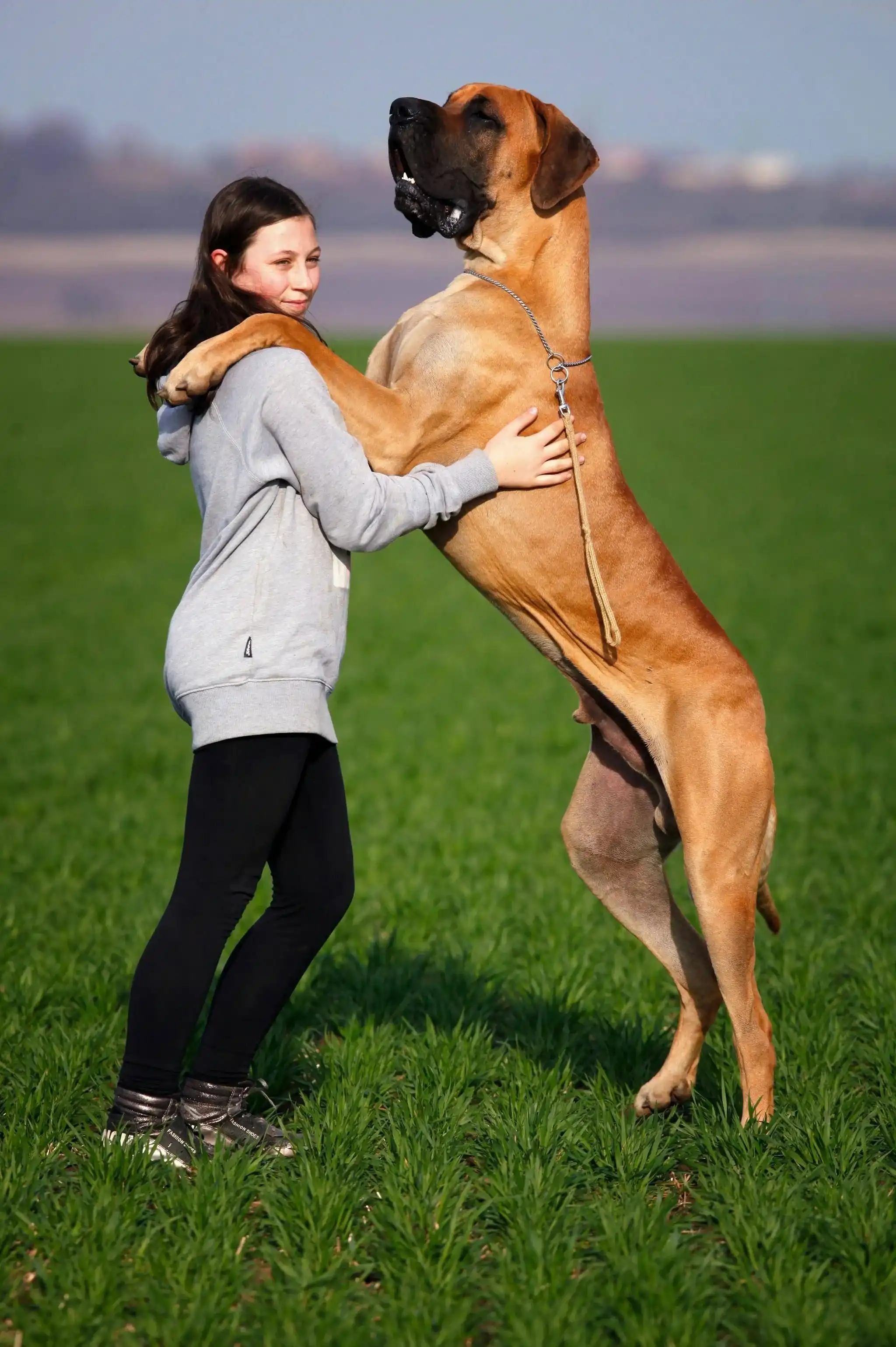
Bloated or distended abdomen with unproductive retching: This is the classic presentation of gastric dilatation-volvulus (GDV/bloat), a life-threatening emergency that kills within hours without surgery. More common in large, deep-chested breeds (Great Danes, German Shepherds, Standard Poodles, Weimaraners, Saint Bernards), but can occur in any dog. If your dog is trying to vomit repeatedly without producing anything and their abdomen is visibly distended, go to an emergency vet immediately.
Difficulty breathing or labored breathing at rest: Open-mouth breathing in a dog at rest (not panting from heat or exercise), extended neck, elbows out, and visible effort with each breath indicate respiratory distress. This can signal heart failure with fluid in the lungs, a foreign body airway obstruction, pneumonia, or chest trauma.
Collapse or sudden inability to stand or walk: Sudden hind-limb paralysis or weakness, especially in Dachshunds and other long-backed breeds, is a spinal emergency (IVDD — intervertebral disc disease). Time matters for neurological recovery. Collapse in any breed can indicate severe anemia, heart failure, internal bleeding, or hypoglycemia.
Seizures lasting more than 5 minutes or multiple seizures in 24 hours: A single brief seizure is frightening but often not an immediate emergency. Prolonged or cluster seizures (status epilepticus) are a medical emergency requiring anticonvulsant treatment.
Known or suspected toxin ingestion: Grapes, xylitol, rodenticide, medications, or significant amounts of chocolate. Contact ASPCA Animal Poison Control (888-426-4435) and your vet simultaneously.
Pale, white, or grayish gums: Healthy dogs have pink, moist gums. Pale or white gums indicate poor circulation, significant blood loss, or anemia — a shock state emergency.
Inability to urinate with straining: In male dogs especially, urinary obstruction (often from stones or a mucus plug) is rapidly fatal if not relieved. A dog who squats repeatedly without producing urine, cries during attempts, or shows abdominal pain needs emergency attention.
Signs That Warrant a Same-Day or Next-Day Vet Call
Vomiting more than twice in 24 hours, or any vomiting with blood: A dog who vomits once may have simply eaten too fast. Repeated vomiting, vomiting that continues after the stomach should be empty, or vomiting with blood or coffee-ground material needs same-day evaluation.
Diarrhea with blood or lasting more than 48 hours: Small amounts of bright red blood in stool can come from straining; bloody diarrhea that is dark or tarry (digested blood from higher in the GI tract) is more serious. Prolonged diarrhea causes dehydration, particularly in small dogs and puppies.
Significant limping or non-weight-bearing on a limb: If a dog refuses to put any weight on a leg for more than a few hours, or is visibly swollen, there may be a fracture, ligament tear, or infection (paw pad cuts are common and can abscess quickly).
Eye cloudiness, redness, squinting, or discharge: Eye problems escalate quickly. Corneal ulcers (common in brachycephalic breeds), glaucoma, and uveitis can all cause permanent vision loss if not treated promptly.
Significant lumps that appear suddenly or that have changed: Not all lumps are cancer, and not all cancers appear as lumps, but any new lump that grows rapidly, ulcerates, feels warm, or is firm and fixed to underlying tissue should be evaluated soon.
Gradual Changes Worth Monitoring and Reporting
Increased thirst and urination: Polydipsia and polyuria (PU/PD) together are one of the most common early signs of diabetes mellitus, Cushing's disease, Addison's disease, kidney disease, pyometra (in intact females), and several other conditions. This change is easy to miss because it develops gradually. If you notice your dog drinking noticeably more or asking to go out more frequently, track it and report it at the next vet visit — or sooner if dramatic.
Weight loss despite normal or increased appetite: Unexplained weight loss with a normal or increased appetite can indicate diabetes, exocrine pancreatic insufficiency (EPI), hyperthyroidism (rare in dogs, common in cats), intestinal parasites, or malabsorptive bowel disease. Weigh your dog monthly to catch this before it's visible.
Reduced activity, reluctance to exercise, or difficulty with stairs: In older dogs, these signs are often attributed to "just getting old" when they may indicate arthritis (highly treatable), early heart failure, or hypothyroidism. A dog who is less interested in walks than they used to be deserves a vet evaluation — reduced activity in a previously active dog is not a normal feature of aging.
Coat changes: Thinning coat, brittle hair, hair loss in symmetric patches, or a coat that has lost its normal sheen can indicate hypothyroidism, Cushing's disease, nutritional deficiency, or skin infection. These changes are gradual and easy to miss in dogs you see daily.
Bad breath beyond normal: Significant worsening of breath odor can indicate dental disease (most commonly), kidney disease (uremic breath smells like ammonia), or diabetes (sweet/fruity smell from ketones). Periodic breath check is a surprisingly useful health indicator.
Frequently Asked Questions
How often should I take my dog to the vet?
Annual wellness exams are the minimum for healthy adult dogs (ages 1–7 in most breeds). Puppies need more frequent visits — typically every 3–4 weeks until 16 weeks of age for the vaccination series, then annual. Dogs over age 7 benefit from biannual wellness exams because age-related conditions (kidney disease, heart disease, arthritis, cancer) develop faster and benefit from early detection. Senior blood panels (complete blood count, chemistry panel, urinalysis, thyroid level) at every other visit catch the most common age-related diseases at a manageable stage.
What does healthy dog poop look like?
Healthy stool is firm, segmented, and medium brown. It should hold its shape when picked up. Soft serve or liquid consistency, mucus coating, blood, significant color changes (yellow, orange, gray, black), or stool that is unusually small or hard can all indicate problems. The most useful monitoring habit is checking stool consistency daily — it's the fastest indicator of what's happening in the GI tract and changes are usually visible before any other symptoms appear.
My dog ate something off the floor. When should I worry?
The ASPCA Animal Poison Control Center (888-426-4435) is available 24 hours and can assess risk based on the specific substance and your dog's weight. High-risk ingestions requiring immediate action: xylitol (in any amount from gum, peanut butter, or sugar-free products), grapes or raisins, macadamia nuts, significant amounts of dark chocolate, rodenticide (any amount), human medications (especially NSAIDs, acetaminophen, and antidepressants), and batteries. Low-risk ingestions that generally require only monitoring: small amounts of milk chocolate, most non-toxic houseplants, dirt, moderate quantities of cooked meat or bone-free food scraps. When in doubt, call — the hotline can tell you if an emergency visit is necessary or if monitoring at home is appropriate.
What health tests should a senior dog have?
For dogs over age 7: complete blood count (CBC), comprehensive chemistry panel (liver and kidney function, electrolytes, blood sugar), urinalysis with sediment, and a thyroid level (T4) at minimum. In large breeds prone to cardiac disease, a stethoscope exam plus potentially an echocardiogram from a cardiologist if a murmur is detected. In large breeds prone to orthopedic disease, radiographs of affected joints if mobility changes are noted. In breeds predisposed to cancer (Golden Retrievers, Bernese Mountain Dogs, Boxers, Rottweilers), earlier and more frequent screening discussions with your vet are warranted.
Final Thoughts
The dogs who make it through serious illness with the best outcomes are almost always the dogs whose owners noticed something was different early. You live with your dog every day and are in the best position to notice subtle changes — changes a vet only sees for 20 minutes a year cannot catch. Trust your instincts: if your dog seems off in a way you can't explain, a vet call costs nothing and rules out something serious.
For more on dog preventive care, see our dog health and wellness guide and the dog care resource hub.

About the Author
Sarah Eve Pet Care Specialist & Canine Behaviour ConsultantSarah is a certified canine behaviour consultant with a background in veterinary nursing. She has helped thousands of dog owners navigate everything from puppy training to senior dog care, combining clinical knowledge with practical, real-world advice.

✓ Veterinary Reviewed
Dr. Jamshed Bilal, DVM Companion Animals (Cats & Dogs) Anjum Veterinary Clinic — PakistanDr. Jamshed Bilal is a companion animal veterinarian practising at Anjum Veterinary Clinic with hands-on clinical experience in small animal medicine, wellness care, and preventive treatments.
LinkedIn ProfileReviewed for medical accuracy — not a substitute for professional veterinary advice. Learn about our review process.