
How Long Do Dogs Live? A Breed-by-Breed Guide
Reviewed by Dr. Jamshed Bilal, DVM
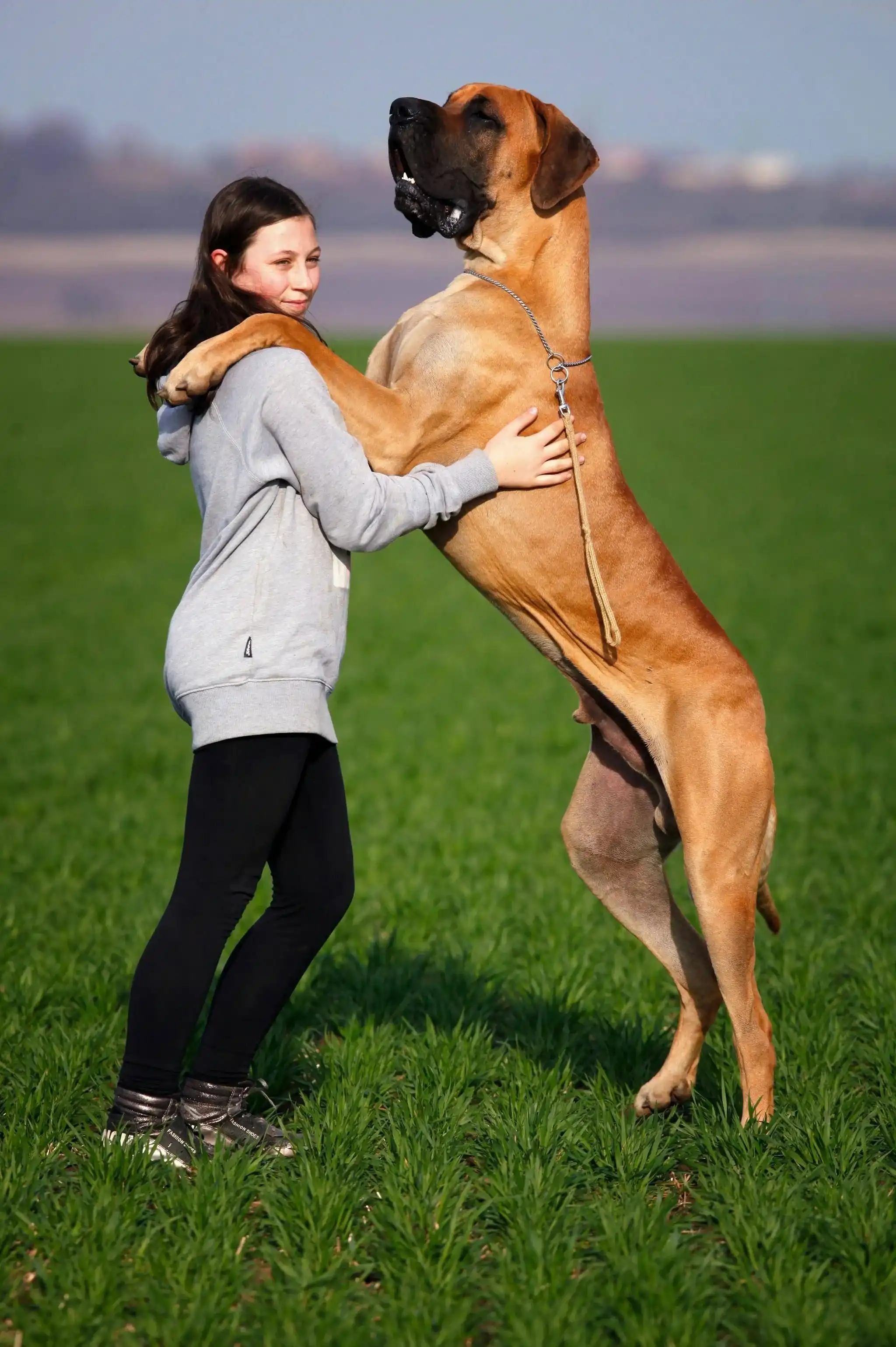
If you have ever wondered why a Chihuahua can live to seventeen while a Great Dane is considered elderly at eight, the answer lies in one of biology's most fascinating relationships: body size and lifespan. In dogs, size is the single biggest predictor of longevity. Unlike in most other mammals — where larger species tend to live longer — within the dog species, smaller dogs live significantly longer than larger ones. A Yorkshire Terrier may comfortably reach fifteen years, while a Saint Bernard is elderly at nine. Understanding why, and what else affects your dog's lifespan, helps you make choices today that could add years to your time together.
Why Do Smaller Dogs Live Longer?
The relationship between body size and lifespan in dogs is one of the strongest such patterns in any single species. For every 4.4 pounds (2 kg) of additional body weight, a dog's lifespan decreases by approximately one month on average. Across the full size range of domestic dogs — from a 4 lb Teacup Chihuahua to a 200 lb English Mastiff — this adds up to years of difference.
Several mechanisms are thought to drive this relationship. The most studied is the role of insulin-like growth factor 1 (IGF-1), a hormone that regulates growth and is found at higher levels in larger dog breeds. High IGF-1 is associated with faster cellular ageing, increased cancer risk, and shorter overall lifespan. This same hormone explains why dwarf mutations that reduce IGF-1 signalling in mice and other mammals are associated with dramatically extended lifespans.
Larger dogs also experience greater metabolic demands throughout their lives — larger hearts, larger skeletons, and larger organs working continuously at greater scale. This increased physiological workload may contribute to earlier age-related decline. Additionally, giant breeds have a significantly elevated rate of certain cancers, particularly osteosarcoma (bone cancer), which substantially impacts their median lifespan statistics.
It is important to note that these are statistical patterns, not individual destinies. Individual genetics, healthcare, diet, weight management, and environment all contribute to how long any particular dog lives. A well-cared-for large breed dog can outlive a neglected small breed dog by many years.
Average Lifespan by Breed Group
The following figures are median or average ranges from published breed health surveys and veterinary literature. Individual variation within any breed is significant, and these numbers should be treated as guides rather than guarantees.
Small Breeds (under 20 lb / 9 kg)
- Chihuahua: 14–16 years. One of the longest-lived breeds, Chihuahuas frequently reach their mid-teens and beyond with good care. They are prone to dental disease and cardiac issues in later life.
- Dachshund: 12–15 years. A long-lived breed, though their elongated spine makes them prone to intervertebral disc disease (IVDD), which is not typically life-threatening but significantly affects quality of life if not managed.
- Yorkshire Terrier: 13–16 years. A robust small breed with good longevity. Common health concerns include portosystemic shunts in young dogs and tracheal collapse and dental disease in middle-aged and older dogs.
- Shih Tzu: 10–16 years. Wide range with many individuals reaching the upper end. Brachycephalic conformation creates respiratory and heat tolerance challenges that require management.
- Pomeranian: 12–16 years. Generally healthy and long-lived. Dental disease is extremely common in this breed and is one of the most preventable factors in shortened lifespan.
Medium Breeds (20–55 lb / 9–25 kg)
- Beagle: 12–15 years. Generally a robust, healthy breed. Prone to obesity (which significantly shortens lifespan) and ear infections due to their long, floppy ears.
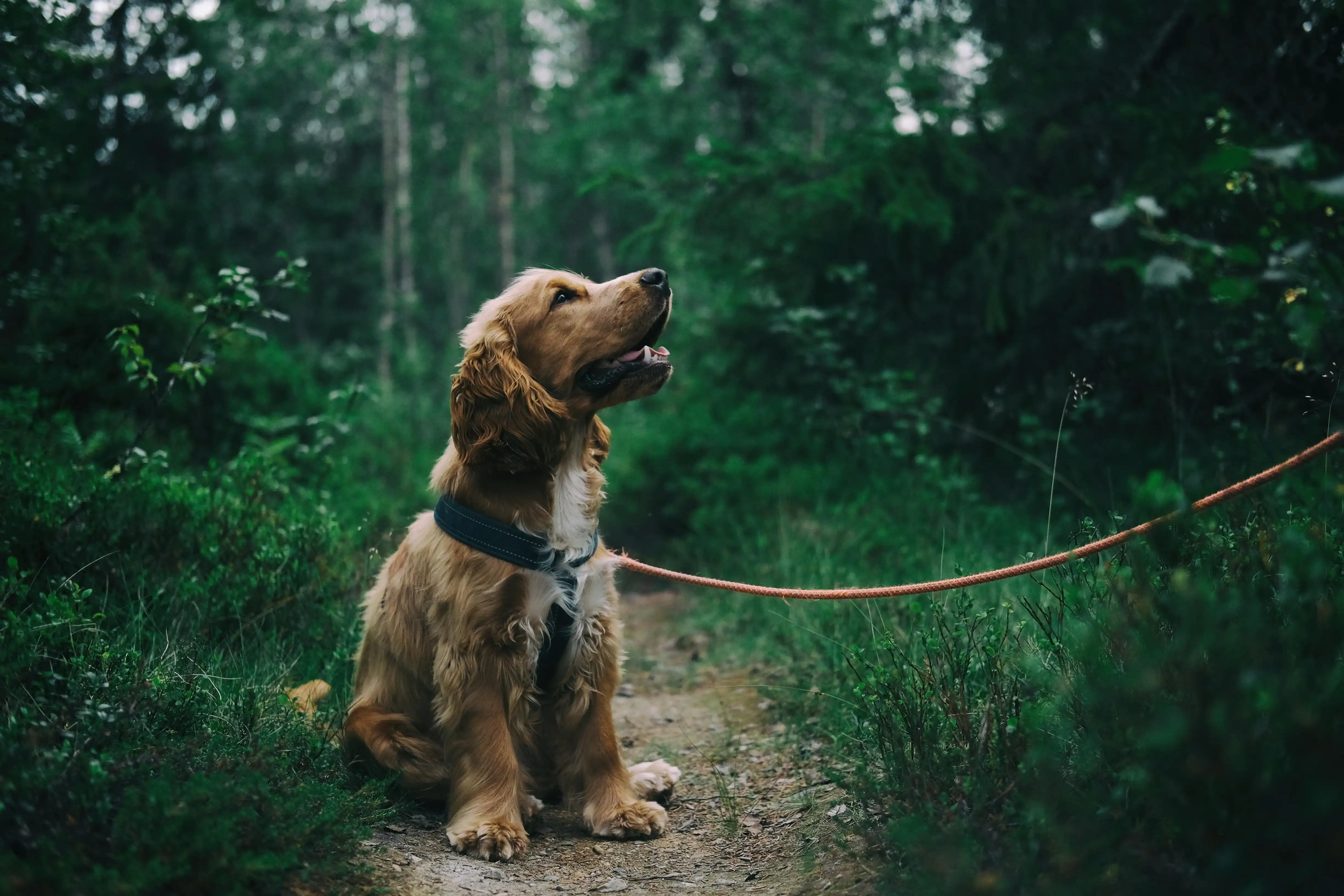
- Cocker Spaniel: 10–14 years. A popular and generally healthy breed. Common concerns include ear disease, eye conditions, and in later life, dilated cardiomyopathy in American Cocker Spaniels.
- Border Collie: 12–15 years. One of the healthiest medium breeds. Their high energy demands mean exercise, mental stimulation, and weight management are particularly important.
- Australian Shepherd: 13–15 years. A hardy, active breed with generally good longevity. Eye conditions (hereditary eye anomaly) and hip dysplasia are breed concerns to screen for.
- Whippet: 12–15 years. A lean, healthy breed with few significant hereditary conditions. Very sensitive to cold and anaesthesia due to low body fat.
Large Breeds (55–100 lb / 25–45 kg)
- Labrador Retriever: 10–12 years. The UK's most popular breed is prone to obesity, which is the single most manageable factor in lifespan. Hip and elbow dysplasia and exercise-induced collapse are common breed concerns.
- German Shepherd: 9–13 years. Wide range depending on bloodline. Degenerative myelopathy, hip dysplasia, and bloat (GDV) are major breed health concerns.
- Golden Retriever: 10–12 years. A beloved and popular breed with unfortunately elevated cancer rates — approximately 60% of Golden Retrievers are thought to die of cancer, significantly impacting median lifespan statistics.
- Boxer: 10–12 years. A breed with known cardiac issues (Boxer cardiomyopathy) and elevated cancer rates. Brachycephalic conformation also adds respiratory complexity.
- Standard Poodle: 12–15 years. Unusually long-lived for a large breed. Generally considered one of the healthiest large breeds, with bloat and Addison's disease as notable health concerns.
Giant Breeds (over 100 lb / 45 kg)
- Great Dane: 7–10 years. One of the most size-restricted lifespans in the dog world. Bloat (GDV) is a leading cause of death and a genuine emergency whenever it occurs. Dilated cardiomyopathy is also very common.
- Bernese Mountain Dog: 6–9 years. A breed with unfortunately elevated cancer rates — a significant proportion die of histiocytic sarcoma, a cancer particularly prevalent in the breed. Elbow and hip dysplasia are also common.
- Saint Bernard: 8–10 years. Prone to bloat, dilated cardiomyopathy, and hip dysplasia. Weight management is critical as their large frames do not tolerate obesity well.
- Rottweiler: 9–10 years. A breed with elevated osteosarcoma (bone cancer) rates. Heart conditions and joint problems are also common concerns.
- Irish Wolfhound: 6–8 years. One of the shortest average lifespans among recognised breeds, primarily due to heart disease (dilated cardiomyopathy) and osteosarcoma.
What Factors Affect a Dog's Lifespan?
Diet and weight management. Obesity is one of the most significant and most preventable contributors to shortened lifespan in dogs. A Purina longitudinal study found that dogs maintained at a lean body condition score lived an average of 1.8 years longer than overweight littermates — and had a significantly delayed onset of chronic diseases including arthritis and diabetes. Feeding a nutritionally complete diet appropriate for your dog's life stage and maintaining a healthy weight throughout life are among the highest-impact interventions available to any dog owner.
Exercise. Regular appropriate exercise maintains muscle mass, cardiovascular health, joint function, and mental wellbeing. Exercise requirements vary enormously by breed — a Border Collie needs far more than a Basset Hound — and change with age. Senior dogs still benefit enormously from gentle daily exercise, which maintains mobility and cognitive function.
Veterinary care. Regular preventive veterinary check-ups allow early detection of conditions that are far more treatable when caught early — dental disease, cardiac changes, metabolic conditions, and early cancer. Annual check-ups are the baseline; twice-yearly for senior dogs is increasingly recommended. Vaccinations prevent potentially fatal infectious diseases. Dental care — both professional cleaning and home brushing — is frequently underestimated as a contributor to longevity, as dental disease creates a chronic infection burden that affects the whole body.
Genetics and breed-specific conditions. Knowing your breed's common health challenges allows proactive screening and management. For example, owners of large and giant breeds should be educated on bloat recognition as a genuine emergency. Owners of brachycephalic breeds should understand respiratory compromise and heat risk. Breed-specific health charities and your veterinarian are excellent resources for this.
Neutering. The evidence on neutering and lifespan is nuanced and varies by breed and sex. Some studies suggest neutering extends average lifespan, possibly by reducing the risk of certain reproductive cancers and pyometra. Other studies, particularly in large breeds, suggest that early neutering may increase the risk of orthopaedic conditions and certain cancers. This is an active area of research — discuss timing and options with your own veterinarian based on your specific dog and circumstances.
How to Help Your Dog Live Longer
The practical interventions most supported by evidence are straightforward: keep your dog lean throughout their life, provide daily appropriate exercise, maintain preventive veterinary care including dental health, feed a high-quality nutritionally complete diet, and provide mental stimulation and social interaction. Cognitive decline in dogs, as in people, appears to be mitigated by continued mental engagement.
Avoid unnecessary stressors — chronic stress is associated with inflammatory processes and earlier cellular ageing. A dog that lives in a calm, stimulating, loving environment with consistent routine has a different physiological baseline from one that lives in chronic anxiety or boredom.
Signs of Ageing to Watch For
Recognising the signs of ageing allows earlier intervention and management. Common signs include: greying around the muzzle and face, reduced exercise tolerance or reluctance to walk as far, stiffness particularly after rest (often first sign of arthritis), changes in sleep patterns or increased sleep, confusion or disorientation (cognitive dysfunction), changes in thirst or urination, lumps or skin changes, dental deterioration, and changes in vision or hearing. Any new symptom in a senior dog warrants a veterinary check — many age-related conditions are very manageable when caught early.
End of Life Care
Every dog owner will eventually face their pet's decline, and understanding what quality of life means for a dog helps navigate this profoundly difficult time. Pain management, mobility support, adapted exercise, and modified nutrition are all components of geriatric dog care that can significantly maintain quality of life. Palliative care and hospice options exist within veterinary medicine. The decision about end-of-life euthanasia is one of the most painful any pet owner faces — your veterinarian is your most important partner in making that decision when the time comes.
For everything you need from day one of dog ownership, visit our new dog owner checklist. To give your dog the best foundation in behaviour and training, read our guide to dog training for beginners. And to ensure your dog's diet supports their long-term health, explore our detailed dog nutrition guide.
Frequently Asked Questions
What is the oldest dog ever recorded?
The oldest verified dog on record is Bobi, a Rafeiro do Alentejo from Portugal, who lived to 31 years and 165 days, passing away in 2023 (though his age has been subject to some scientific scrutiny). Prior to Bobi, the record was held by Bluey, an Australian Cattle Dog who lived to 29 years and 5 months, passing in 1939. Both dogs far exceeded the average lifespan for their breeds, which illustrates the wide range of individual variation possible.
Do mixed breed dogs live longer than purebreds?
Studies suggest that mixed breed dogs do tend to live slightly longer on average than purebred dogs, a phenomenon related to hybrid vigour or heterosis — increased genetic diversity reducing the frequency of recessive genetic conditions. However, the difference is modest and far outweighed by the effects of size, weight management, and healthcare. A well-cared-for purebred can significantly outlive a neglected or obese mixed breed.
How do I know if my dog is senior?
The age at which a dog is considered senior varies by size. Small breeds are generally considered senior at around ten to twelve years. Medium breeds enter their senior years around eight to ten. Large breeds are senior from about seven, and giant breeds may be considered senior as early as five or six. Signs of ageing include greying muzzle, reduced exercise tolerance, changes in sleep patterns, stiffness particularly after rest, and changes in vision or hearing.
Can diet really extend a dog's life?
Yes. Research consistently shows that maintaining a healthy body weight is one of the most powerful things you can do to extend your dog's life — a landmark Purina study found that lean-fed dogs lived an average of 1.8 years longer than their paired overweight littermates. Beyond weight, a nutritionally complete, high-quality diet supports immune function, joint health, coat condition, and organ function throughout life. Consulting your vet about the right diet for your dog's age, size, and health status is always worthwhile.
What breeds have the shortest lifespan?
Giant breeds consistently have the shortest average lifespans. The Great Dane averages 7 to 10 years, the Bernese Mountain Dog 6 to 9 years, and the Irish Wolfhound 6 to 8 years. Brachycephalic (flat-faced) breeds such as English Bulldogs and French Bulldogs also have shortened lifespans and significant health challenges related to their conformation. Prospective owners of these breeds should research breed-specific health issues thoroughly before choosing.
Disclaimer: This article is for educational purposes only. Always consult your veterinarian before making significant changes to your dog's care or training routine.

About the Author
Sarah Eve Pet Care Specialist & Canine Behaviour ConsultantSarah is a certified canine behaviour consultant with a background in veterinary nursing. She has helped thousands of dog owners navigate everything from puppy training to senior dog care, combining clinical knowledge with practical, real-world advice.

✓ Veterinary Reviewed
Dr. Jamshed Bilal, DVM Companion Animals (Cats & Dogs) Anjum Veterinary Clinic — PakistanDr. Jamshed Bilal is a companion animal veterinarian practising at Anjum Veterinary Clinic with hands-on clinical experience in small animal medicine, wellness care, and preventive treatments.
LinkedIn ProfileReviewed for medical accuracy — not a substitute for professional veterinary advice. Learn about our review process.