
How to Stop a Dog From Jumping Up on People
Reviewed by Dr. Jamshed Bilal, DVM
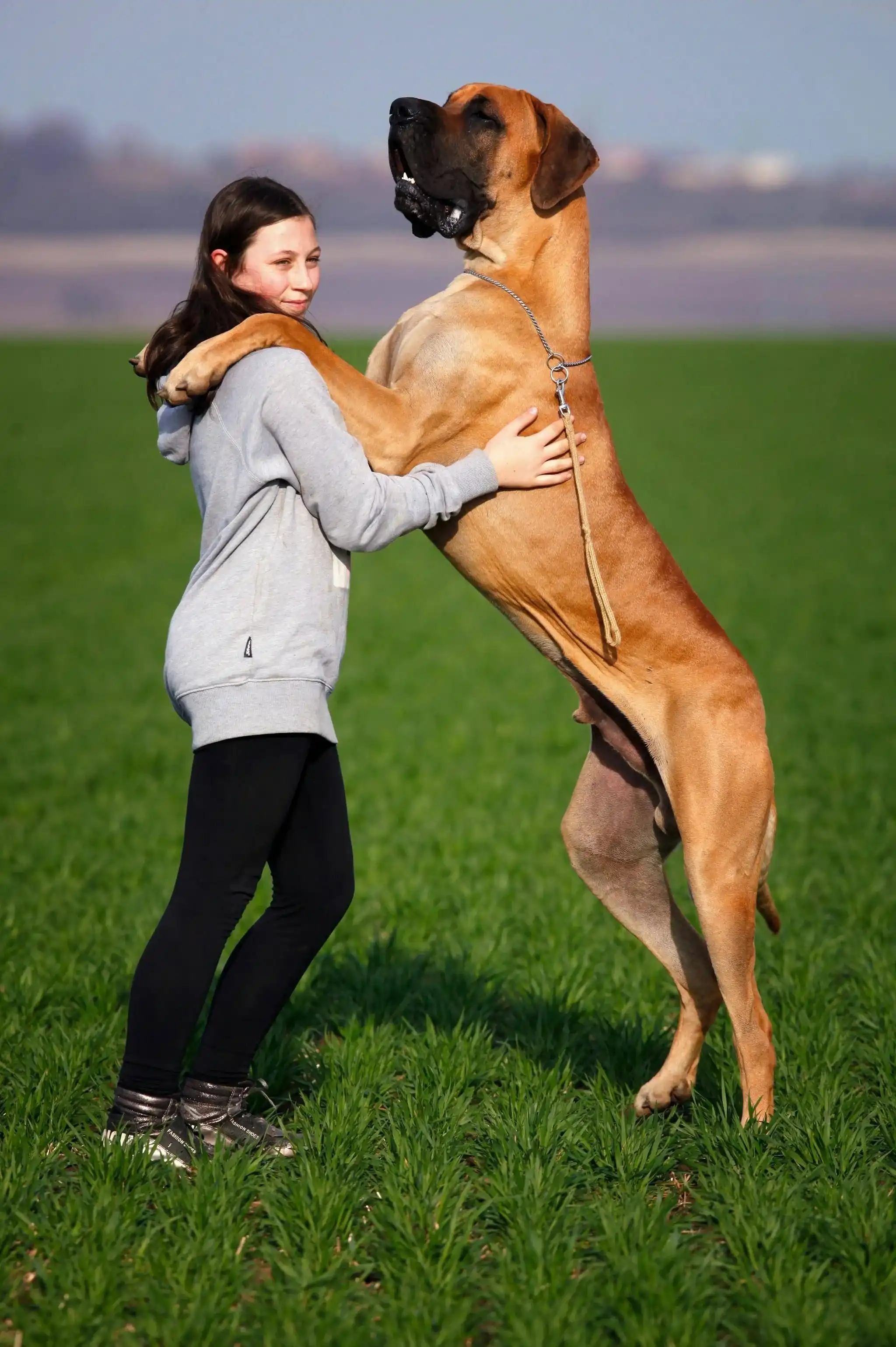
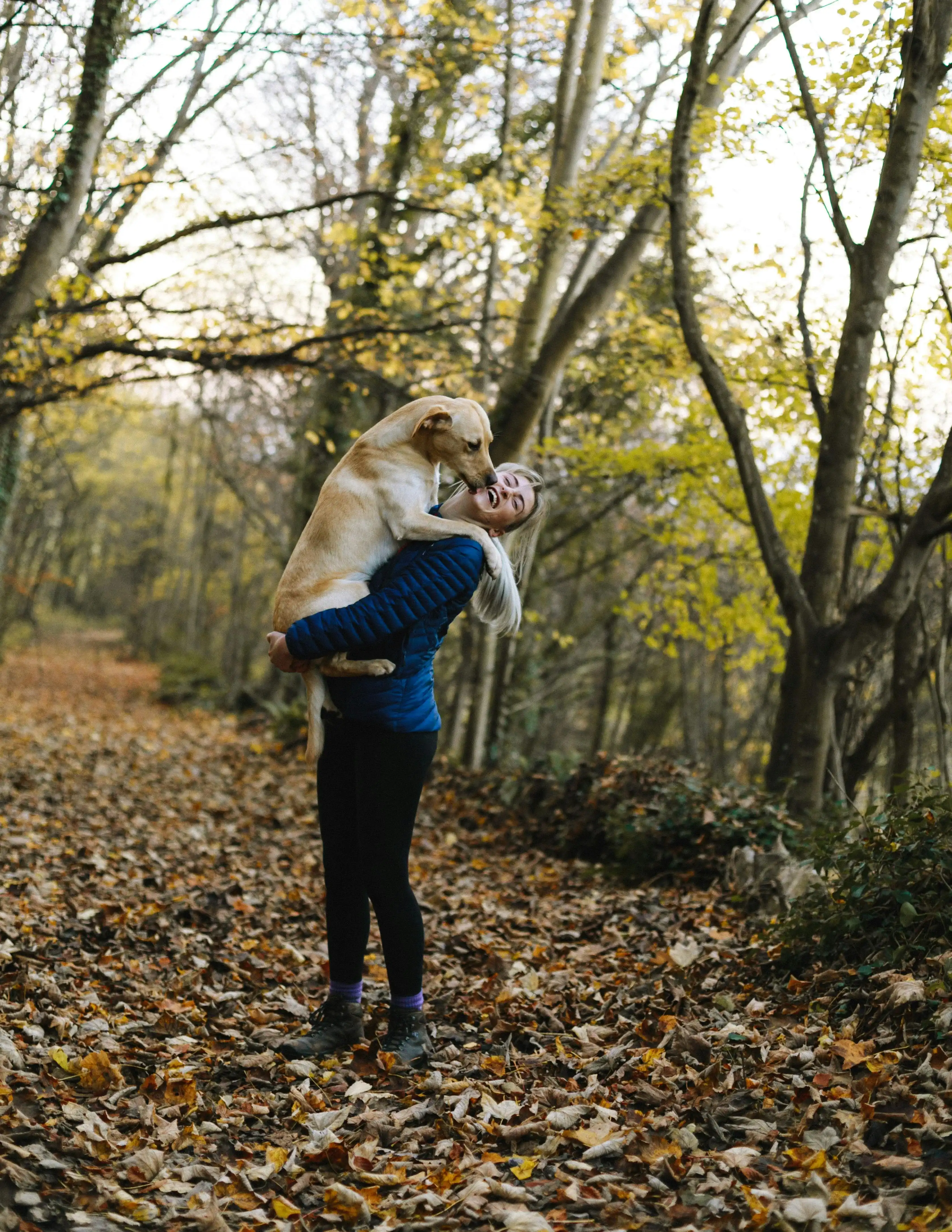
A dog who leaps at every person who walks through the door can be frustrating, embarrassing, and even dangerous — particularly around children or elderly visitors. But before you can fix it, you need to understand what is driving it. Jumping up is attention-seeking behaviour, not aggression. Your dog is not being dominant, disrespectful, or naughty. They are doing exactly what has worked for them in the past: jumping up has reliably produced a response from humans — laughter, pushes, "no!", eye contact, or even a hug. To your dog, any response is a reward. The moment you understand this, the solution becomes clear.
Why Dogs Jump Up
Dogs greet other dogs by sniffing face and neck — the most interesting information is up high. When a puppy tries to greet a much taller human, jumping up is their natural attempt to reach your face. The very first time your puppy jumps up and you bend down, pick them up, or respond in any way, you have just rewarded the behaviour. From that point, the jumping gets reinforced every time it produces a result.
The problem becomes self-sustaining very quickly. Well-meaning visitors say "it's fine, I don't mind" and allow the jumping. One family member enforces the rule while another lets it slide. The dog learns that jumping sometimes works, and behaviours that are intermittently reinforced are among the hardest to extinguish. This is exactly why consistency across every person who interacts with your dog is so critical.
Even negative attention — shouting "no", pushing the dog away, kneeing them in the chest — keeps the behaviour alive because the dog is still getting a reaction. Your dog does not understand that the push was meant to deter them. They understand that jumping produced physical contact and your undivided attention.
The Core Rule: No Attention for Jumping
The foundation of fixing jumping is simple, though it requires discipline to apply consistently: no attention of any kind when four paws are not on the floor. This means:
- No eye contact
- No words — not even "no" or "down" or "off"
- No pushing, kneeing, or touching the dog
- Turn your back completely and cross your arms
- If the dog runs around to jump at your front again, turn again
You are not punishing the dog. You are simply removing the reward entirely. When jumping produces absolutely nothing — no response, no contact, no eye contact — the behaviour has no function any more and it will fade. This process is called extinction, and it is highly effective when applied consistently by everyone.
The most important word there is everyone. One person in ten who lets jumping slide is enough to maintain the behaviour at full strength. Jumping works with that one person, so the dog keeps trying it with all people just in case.
Step-by-Step: Teaching Four Paws on the Floor
Step 1: Wait for all four paws on the floor. When your dog jumps, turn away and wait. Do nothing. Eventually — usually within a few seconds — your dog will place all four paws on the ground, even momentarily. This is your window.
Step 2: Immediately mark and reward. The instant all four paws return to the ground, mark with "yes" or a clicker and reward with a treat or calm praise. Your timing needs to be fast here — you are marking the exact moment of four-on-the-floor, not three seconds later. If you are slow, your dog may already be jumping again when the reward arrives, and you will have accidentally rewarded the jump.
Step 3: Practise greetings deliberately. Set up specific practice sessions. Walk toward your dog from across the room. If they jump, turn away. When they settle, mark and reward. Repeat this ten to fifteen times in a row until your dog starts offering a sit or standing calmly as you approach. You are building a new greeting habit to replace the jumping.
Step 4: Ask all guests to follow the same rule. Brief visitors before they come through the door. Tell them to turn away if the dog jumps and only greet once all four paws are on the floor. It helps to have treats ready to hand to guests so they can reward the correct behaviour immediately. One person who breaks the rule by allowing jumping — even once — undermines every session you have done.
What to Do When Your Dog Jumps on Visitors
Managing the greeting before it escalates is the most practical approach while training is still in progress. If you know your dog jumps, have them on a leash when guests arrive. This gives you the ability to prevent the jump entirely and redirect to a sit before the greeting happens.
Ask your dog to sit before the guest approaches. Reward the sit. Ask the guest to approach slowly — if the dog gets up or jumps, the guest stops and turns away. When the dog is back on the floor, the guest may continue approaching. This is a wonderful teaching moment because the dog is learning that calm behaviour causes guests to approach, while jumping causes them to retreat.
Over time you can reduce reliance on the leash as the dog learns what behaviour actually gets them what they want. The goal is a dog that sits or stands politely as a greeting behaviour rather than jumping — and that will happen through consistent reinforcement of the right behaviour, not through correction of the wrong one.
Why the Knee-to-Chest Method Does Not Work
You may have heard the advice to knee your dog in the chest when they jump to knock them back. This approach has several significant problems. First, it involves physical contact, which many dogs interpret as play or engagement rather than deterrence. Second, it can cause physical injury to the dog, especially smaller breeds. Third, it teaches nothing — the dog does not learn what you want them to do instead.
Any method that relies on physical correction creates the risk of fear, anxiety, and damage to your relationship with your dog. There is also no evidence that these methods produce better or faster results than the withdrawal-of-attention approach. The science-based approach is both more effective and entirely humane.
How Long Does It Take?
Most dogs show significant improvement within one to two weeks of consistent application of the four-paws rule by all household members. The key variable is consistency — not just from you, but from every person who interacts with your dog. If consistency has been perfect, you will often see a noticeable difference within days.
However, dogs that have been jumping for years and have a long reinforcement history for the behaviour may take longer. You may also notice an extinction burst — a temporary increase in the jumping behaviour — when you first stop responding. This is normal and means the method is working. The dog is trying harder because what used to work is no longer working. Stay the course and the burst will pass.
For Jumping on Children — Extra Care Needed
Children are particularly vulnerable targets for jumping dogs because they are at the dog's height, they tend to respond with squealing and running (which is highly exciting), and they may not be able to apply the withdrawal-of-attention rule reliably. For households with young children, management is essential while training is in progress.
Keep the dog on a leash or behind a baby gate when young children are around until the jumping behaviour is fully addressed. Teach children who are old enough to understand to "be a tree" — stand still, arms crossed, no eye contact — when the dog jumps. Never leave young children and an untrained jumping dog unsupervised. Prevention of injury must come first, training second.
For more training foundations, visit our guide on dog training for beginners, learn how to teach a solid stay, or check our new dog owner checklist for everything you need to set your dog up for success.
Frequently Asked Questions
My dog only jumps on some people — why?
Dogs are very good at reading people, and they quickly learn who will reward their jumping with attention. If certain visitors squeal, laugh, push the dog away playfully, or make eye contact when the dog jumps, the dog learns that jumping works with those people. The behaviour becomes selective because it is selectively reinforced. The fix is the same — all people must consistently withdraw attention for jumping.
Is jumping dangerous for children?
Yes, a jumping dog can easily knock a small child to the ground, which can cause injury and also create fear around dogs that may last for years. Even a medium-sized dog jumping enthusiastically is a fall risk for toddlers and young children. This is one of the most important reasons to address jumping early and thoroughly, especially in households with or frequented by children.
Should I use a leash to stop jumping?
A leash can be a useful management tool while you are training — it prevents your dog from reaching guests to jump in the first place. However, a leash alone does not teach the dog anything. It should be used in combination with the four-paws-on-the-floor training method so that your dog is learning the correct behaviour at the same time as being physically managed.
My older dog has always jumped — can it be fixed?
Absolutely. Dogs of any age can learn new behaviours, though habits with a long history may take longer to change than behaviours in young dogs. The process is exactly the same regardless of age — withdraw all attention for jumping, reward four paws on the floor consistently, and make sure everyone who interacts with your dog follows the same rules. Patience and consistency are the key ingredients.
What if my dog jumps at the door when I come home?
This is one of the most common jumping scenarios because arrivals are highly exciting for dogs. The moment you open the door, turn away if your dog jumps. Wait calmly until all four paws are on the floor, then calmly greet your dog. Avoid big, exciting greetings — a calm, neutral arrival actually reduces the intensity of your dog's greeting behaviour over time. You can also practise pretend arrivals — go outside, come back in, and repeat — to desensitise your dog to arrivals.
Disclaimer: This article is for educational purposes only. Always consult your veterinarian before making significant changes to your dog's care or training routine.

About the Author
Sarah Eve Pet Care Specialist & Canine Behaviour ConsultantSarah is a certified canine behaviour consultant with a background in veterinary nursing. She has helped thousands of dog owners navigate everything from puppy training to senior dog care, combining clinical knowledge with practical, real-world advice.

✓ Veterinary Reviewed
Dr. Jamshed Bilal, DVM Companion Animals (Cats & Dogs) Anjum Veterinary Clinic — PakistanDr. Jamshed Bilal is a companion animal veterinarian practising at Anjum Veterinary Clinic with hands-on clinical experience in small animal medicine, wellness care, and preventive treatments.
LinkedIn ProfileReviewed for medical accuracy — not a substitute for professional veterinary advice. Learn about our review process.