
Husky Breed Guide: Exercise Needs, Shedding and Care
Reviewed by Dr. Jamshed Bilal, DVM
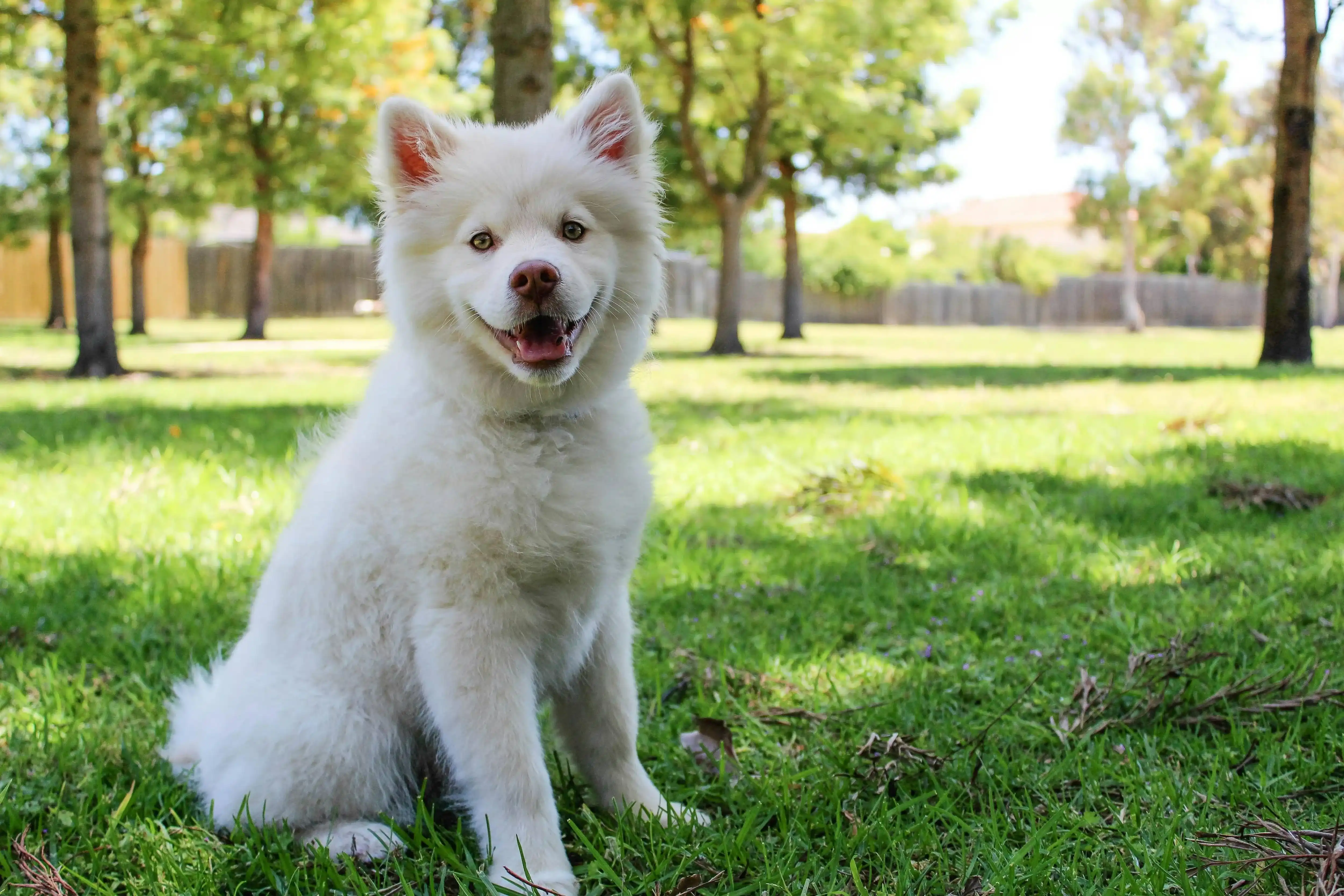
The Siberian Husky is one of the most visually striking dogs in the world. The piercing blue or multicoloured eyes, the wolf-like facial markings, the dense silver, black, red, or white coat — it is a breed that stops people in the street. The reality of living with a Husky is rather more demanding than the photographs suggest. This is an extreme breed in many respects: extreme exercise needs, extreme shedding, extreme vocalisation, extreme escape instinct, and extreme independence. For the right owner — someone active, experienced, and clear-eyed about the commitment — a Husky is a profound and rewarding companion. For the wrong owner, it is a daily battle. This guide tells you everything you need to know before deciding which category you fall into.
Breed History: Built for the Arctic
The Siberian Husky was developed by the Chukchi people of northeastern Siberia over thousands of years. The Chukchi were semi-nomadic hunters and fishermen who depended on sled dogs to transport people and supplies across vast, frozen landscapes. They needed a dog that could cover enormous distances on minimal food in extreme cold — a dog built for sustained endurance, not explosive speed. The Husky was refined to do exactly this: pull a light sled long distances at moderate speed in temperatures that would kill most other animals.
The breed came to widespread Western attention in 1925 during the famous serum run to Nome, Alaska, when teams of sled dogs — many of them Huskies — relayed diphtheria antitoxin 1,085 kilometres across Alaska in treacherous winter conditions to save the town from an outbreak. The lead dog Balto, who led the final relay, became internationally famous. The Siberian Husky was recognised by the American Kennel Club in 1930. Today they are kept primarily as companion and sport dogs, still used in sled racing, skijoring, and canicross by enthusiasts worldwide.
Temperament: Friendly, Independent, and Decidedly Not a Guard Dog
The Husky's temperament is genuinely friendly — perhaps surprisingly so for such a wolf-like-looking dog. They are outgoing, playful, and generally warm towards people, including strangers. They are pack animals by origin and typically get along well with other dogs. They are not typically aggressive, and their relationship with people is open and social rather than suspicious or territorial.
This means they are also completely ineffective as guard dogs. A Husky is about as likely to welcome a burglar as to deter one. They lack the territorial instinct that makes breeds like German Shepherds or Rottweilers natural guardians. If you want a dog that will protect your property, a Husky is not the right choice.
What Huskies are is independent. They were not bred to look to a human handler for guidance in the way that retrievers or herding breeds were — they were bred to make decisions in the field, to keep moving despite harsh conditions, to exercise their own judgement. This independence manifests in training and daily life as a dog that does not inherently defer to its owner's wishes in the way more biddable breeds do. They are mischievous, curious, and frequently amusing — but they operate on their own terms to a degree that can catch inexperienced owners off guard.
Exercise: Two Hours Is the Minimum
A Husky needs a minimum of two hours of vigorous exercise per day. This is not a guideline that can be adjusted based on how busy your week is — it is a genuine welfare requirement for this breed. Huskies were bred to run 100 miles or more per day pulling a sled. A couple of hours of running, hiking, or working alongside a cyclist does not fully replicate that heritage, but it goes some way towards meeting the need. A leisurely walk does not.
The consequences of under-exercising a Husky are significant and predictable: destructive behaviour (they will chew, dig, and dismantle furniture with enthusiasm), intense vocalisation, and escape attempts. A bored Husky is a Husky looking for a way out of the garden and a way to make its displeasure known.
Ideal exercise for a Husky involves activities that match their working heritage: canicross (running with the dog attached by a waist belt), bikejoring (cycling with the dog in harness), skijoring (cross-country skiing with the dog), or distance hiking in varied terrain. These activities channel the breed's drive productively and provide the intensity they need. All exercise must occur in enclosed areas or on a lead — Husky recall is very unreliable.
The Escape Artist
Huskies are renowned as escape artists, and this is not an exaggeration. They are driven to run — it is the purpose they were built for — and when they encounter an insufficiently secure boundary, they bring their intelligence and physical capability to bear on it with remarkable persistence. They can jump fences that would contain most breeds, dig under fence lines with impressive speed, push through weaknesses in fencing, and learn to operate gate latches. A Husky that discovers a means of exit will exploit it reliably.
Securing a Husky requires six-foot fencing at minimum — taller is better. Fencing should have dig-proof foundations (L-shaped metal mesh laid horizontally at the base, buried slightly, deters digging underneath). All gate latches should be double-secured. The fence line should be checked regularly for damage or potential weak points. And most importantly, the dog's exercise needs should be met — a Husky with adequate physical and mental stimulation has less motivation to search for an exit.
Never leave a Husky unsupervised in an insecure area. Never let one off the lead in an open, unfenced space. A Husky that gets loose can cover enormous distances very quickly, and recall in these situations is effectively non-existent.
The Voice: Howls, Woos, and Talking
Huskies are vocal dogs. They rarely bark in the way that many breeds do, but they communicate through howling, a distinctive "talking" woo sound, and an impressive range of vocalisations that owners often describe as conversations. The howling in particular can be extended, melodious, and extremely loud. Huskies in groups will howl in chorus. A single Husky left home alone will often howl for extended periods.
This is not a behaviour that training can eliminate — it is part of the breed's fundamental character. Apartment living with a Husky is very challenging due to the noise, and neighbours in terraced or semi-detached housing need to be considered. Providing adequate exercise, mental enrichment, and company significantly reduces the frequency of unwanted vocalisation, but it will never be eliminated entirely.
Shedding: Prepare for Fur Everywhere
Huskies have a dense double coat: a soft, insulating undercoat and a coarser outer coat of guard hairs. Throughout the year, they shed moderately. Twice a year — in spring and autumn — they "blow coat": a dramatic seasonal shedding event in which the entire undercoat is shed over the course of several weeks. During blow coat, the volume of fur produced is extraordinary. It comes out in handfuls, in drifts on the floor, and attached to every fabric surface in the home.
Managing Husky shedding requires daily brushing with an undercoat rake and slicker brush during blow coat periods, and two to three brushing sessions per week at other times. This dramatically reduces the amount of fur deposited around the home and keeps the coat healthy. Huskies should never be shaved. The double coat functions as a two-way insulator — it keeps the dog warm in winter and reflects heat while insulating the skin in summer. Shaving removes this protection, disrupts the coat's regrowth pattern, and can leave the dog more vulnerable to heat, sunburn, and temperature fluctuation.
Training: Intelligent, Independent, and Not Inherently People-Pleasing
Huskies are intelligent dogs — there is no question about that. The challenge with training them is that their intelligence is paired with a strong independent streak and an absence of the innate desire to please a human handler that makes breeds like Labrador Retrievers and Border Collies so tractable. A Husky will perform a behaviour consistently if it understands what is being asked and if the reward is adequate — but they are constantly evaluating whether compliance is worth their while, and they are not easily overawed.
Positive reinforcement is the only effective approach. Punishment-based training does not work with Huskies and typically makes things worse. Patience, consistency, and high-value rewards produce results. Short training sessions (5 to 10 minutes) maintain focus better than long ones. Beginning training and socialisation in puppyhood — ideally the moment the puppy arrives home — is important for building good habits before the dog's size and strength make management more challenging.
Do not expect a Husky to have the eager, eyes-on-you compliance of a Golden Retriever. What you can achieve is a dog that understands and generally follows the household rules, is well-socialised and safe around people and other animals, and has a genuinely productive relationship with its owner. For breed-specific recall strategies and how to build reliable responses in high-drive dogs, our guide on Border Collie breed guide covers comparable training principles for independent, driven breeds.
Health
Siberian Huskies are generally a healthy breed with a lifespan of 12 to 14 years. They were developed under natural selection pressures that demanded genuine physical soundness — weak dogs simply could not do the job. Nevertheless, several heritable conditions occur in the breed.
Eye Conditions
Eye health is the most significant inherited health concern in Siberian Huskies. Hereditary cataracts (juvenile-onset cataracts that appear in young dogs and progress to impair vision), progressive retinal atrophy (degeneration of the retina leading to blindness), and corneal dystrophy (lipid deposits in the cornea that can affect clarity) all occur in the breed. DNA tests are available for some forms. Eye examinations by a board-certified veterinary ophthalmologist should be part of responsible breeding health screening, and buyers should request current eye certificates for both parents.
Hip Dysplasia
While not as prevalent in Huskies as in some larger breeds, hip dysplasia (abnormal development of the hip joint causing pain and arthritis) occurs in the breed and both parents should be hip-scored before breeding.
Hypothyroidism
Underactive thyroid occurs in Huskies, typically presenting in middle age as weight gain, lethargy, coat changes, and cold sensitivity. It is managed with daily oral medication once diagnosed.
Zinc Deficiency
Siberian Huskies have a specific predisposition to zinc-responsive dermatosis — a condition where the dog is unable to absorb or utilise zinc efficiently from their diet, even if the diet contains adequate zinc. Signs include crusty, scaly skin lesions around the face and nose, a dull coat, and poor overall coat condition. It is managed with veterinary zinc supplementation. If a Husky's coat or skin is consistently poor despite good diet and grooming, zinc metabolism should be investigated.
Heat Sensitivity
This is not a disease, but it is an important health consideration. Huskies are Arctic dogs, and warm climates present genuine risks. Exercise in warm weather should be restricted to early morning and late evening when temperatures are lowest. Access to shade and cool indoor spaces is essential. Signs of overheating — excessive panting, drooling, lack of coordination, vomiting — should be treated as an emergency. Heatstroke is a life-threatening condition.
Is a Husky Right for You?
A Husky is right for someone who is genuinely active — running, hiking, cycling — and wants a dog that can match that lifestyle. They are right for someone with a securely fenced property, a high tolerance for noise and fur, and the experience or willingness to learn to work with an independent breed on its own terms. They are right for someone who finds the breed's wolflike beauty and complex personality genuinely compelling rather than just visually appealing from a distance.
They are not right for first-time owners who underestimate the commitment. They are not right for apartment dwellers or those with noise-sensitive neighbours. They are not right for people who work long hours away from home without arrangements for the dog's care and stimulation. The Husky is a magnificent animal, but it is a dog that demands — and deserves — an owner equal to the task.
Frequently Asked Questions
How much exercise does a Siberian Husky need?
A minimum of two hours of vigorous exercise per day — running, hiking, canicross, or similar high-intensity activity. Casual walks do not meet the Husky's needs. A bored, under-exercised Husky will be destructive, vocal, and motivated to escape. All exercise must be in enclosed, secure areas or on a lead due to unreliable recall.
Do Huskies shed a lot?
Yes — Huskies are one of the heaviest shedding breeds. They shed moderately year-round and blow their entire undercoat twice a year, producing volumes of fur that require daily brushing during the blow coat period. Never shave a Husky — the double coat insulates in both cold and warm weather and protects the skin.
Are Huskies good for first-time dog owners?
Generally no. The combination of extreme exercise needs, significant escape instinct, independent temperament, heavy shedding, and relentless vocalisation makes Huskies very demanding even for experienced owners. First-time owners who are deeply committed to the breed should research exhaustively, speak to Husky owners and rescue workers, and be honest with themselves about whether their lifestyle genuinely matches the breed's needs.
Can Huskies live in hot climates?
With careful management, yes — but it requires genuine commitment. Air-conditioned indoor spaces, restricted exercise to cooler parts of the day, constant access to shade and fresh water, and never shaving the coat (which disrupts its thermal regulation) are all essential. Huskies in hot climates need vigilant monitoring for signs of heat stress. It is always more work than keeping a breed adapted to the local climate.
Why do Huskies escape so often?
Huskies are driven to run — it is their fundamental purpose, refined over thousands of years. Insufficient fencing is a problem to be solved, and they apply their intelligence to solving it. Preventing escapes requires six-foot fencing with dig-proof foundations, secure gate locks, regular fence inspection, and meeting the dog's exercise needs so it has less motivation to search for an exit.
Disclaimer: This article is for educational purposes only. Always consult your veterinarian before making significant changes to your dog's care or training routine.

About the Author
Sarah Eve Pet Care Specialist & Canine Behaviour ConsultantSarah is a certified canine behaviour consultant with a background in veterinary nursing. She has helped thousands of dog owners navigate everything from puppy training to senior dog care, combining clinical knowledge with practical, real-world advice.

✓ Veterinary Reviewed
Dr. Jamshed Bilal, DVM Companion Animals (Cats & Dogs) Anjum Veterinary Clinic — PakistanDr. Jamshed Bilal is a companion animal veterinarian practising at Anjum Veterinary Clinic with hands-on clinical experience in small animal medicine, wellness care, and preventive treatments.
LinkedIn ProfileReviewed for medical accuracy — not a substitute for professional veterinary advice. Learn about our review process.