
Poodle Breed Guide: Standard, Miniature and Toy Compared
Reviewed by Dr. Jamshed Bilal, DVM
The Poodle is, in many respects, the ideal dog — intelligent, trainable, sociable, and low-shedding. Yet one of the most persistent myths about the breed is that it originated in France. The Poodle is a German breed, developed as a water retrieval dog — the name itself comes from the German Pudel, meaning to splash in water. The classic continental clip, so associated with the breed's aristocratic image, was originally practical: the pom-poms protected joints and vital organs in cold water while the clipped areas reduced drag. The breed arrived in France, where it was refined and became enormously fashionable, but its working origins are Central European.
Today the Poodle comes in three recognised sizes, each sharing the same remarkable genetic makeup but differing in ways that matter considerably for prospective owners. Understanding those differences is the foundation of choosing the right Poodle for your household.
The Three Sizes: What Separates Them
The Kennel Club and most major registries recognise three sizes: Standard, Miniature, and Toy. These are not separate breeds — they are size varieties of a single breed, sharing the same standard for structure, coat, and temperament, differing only in height.
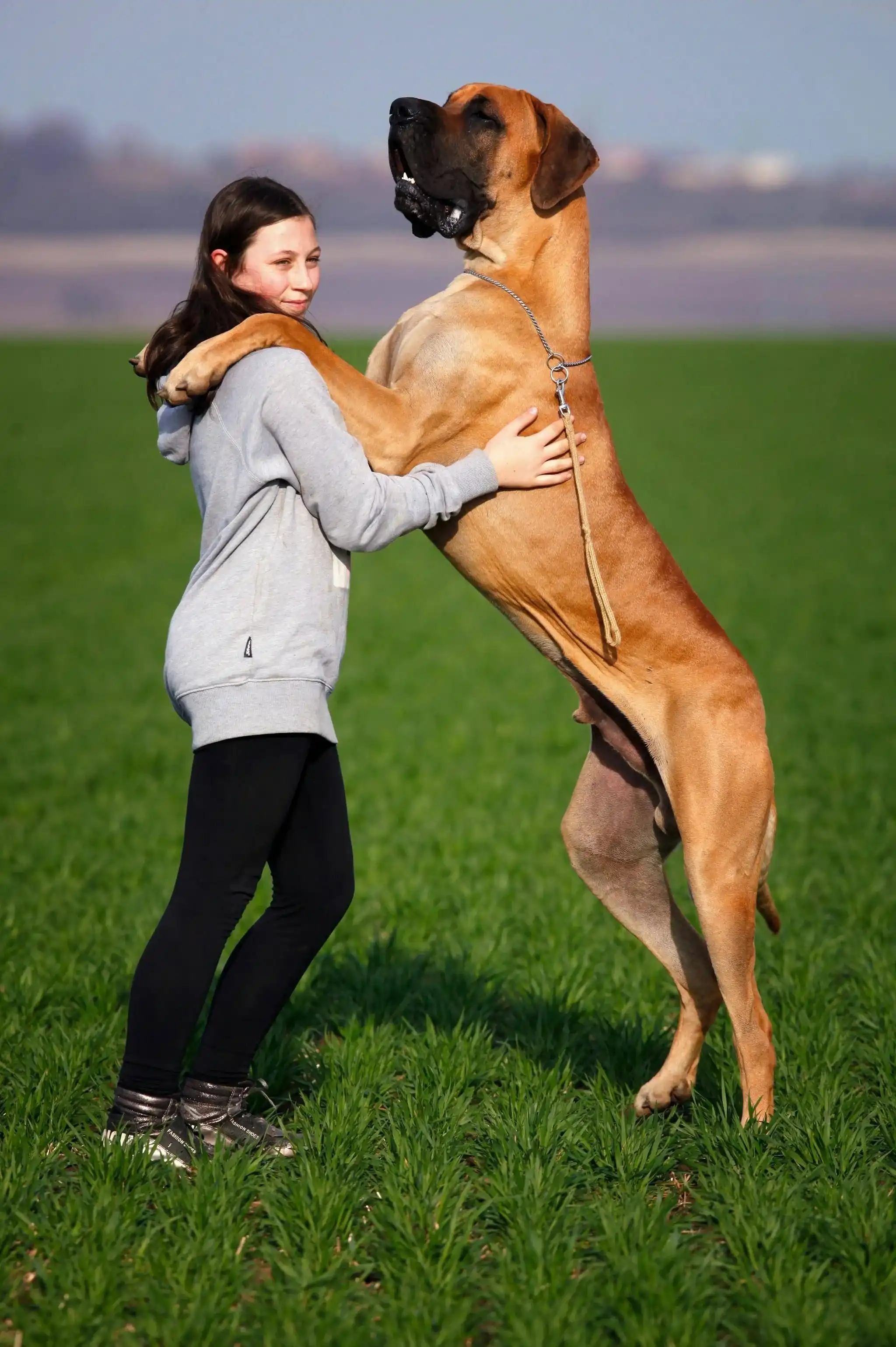
The Standard Poodle stands over 38 cm (15 inches) at the shoulder, and in practice most are considerably taller — 45 to 60 cm is typical. They are athletic, elegant dogs with genuine working capacity. Standards are the original form of the breed and retain the most of the water-retrieving physicality.
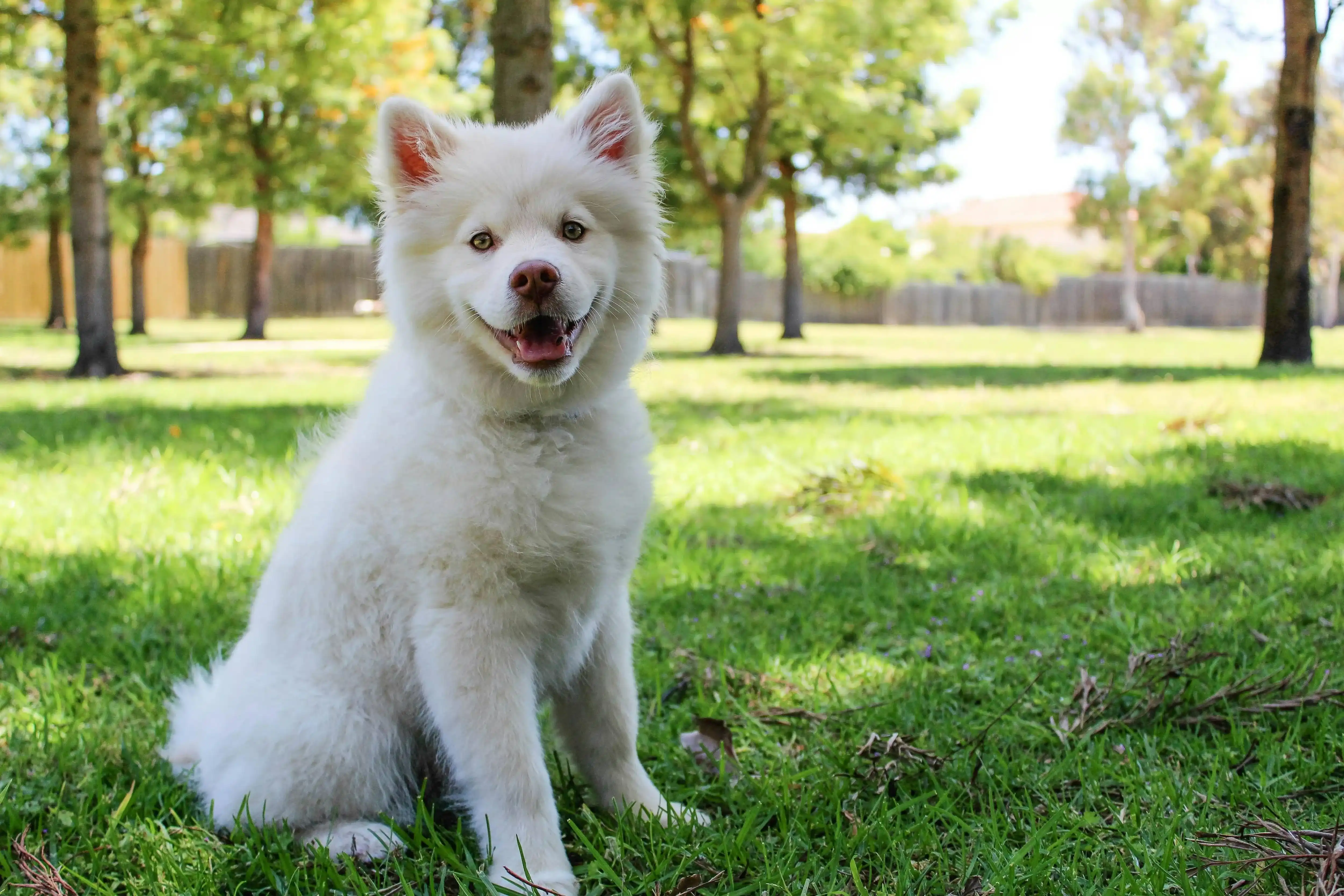
The Miniature Poodle stands between 28 and 38 cm (11 to 15 inches). It occupies a middle ground that many owners find ideal — small enough for flat living with effort, large enough to be robust and active. Miniatures were historically used as truffle-hunting dogs in Germany and France.
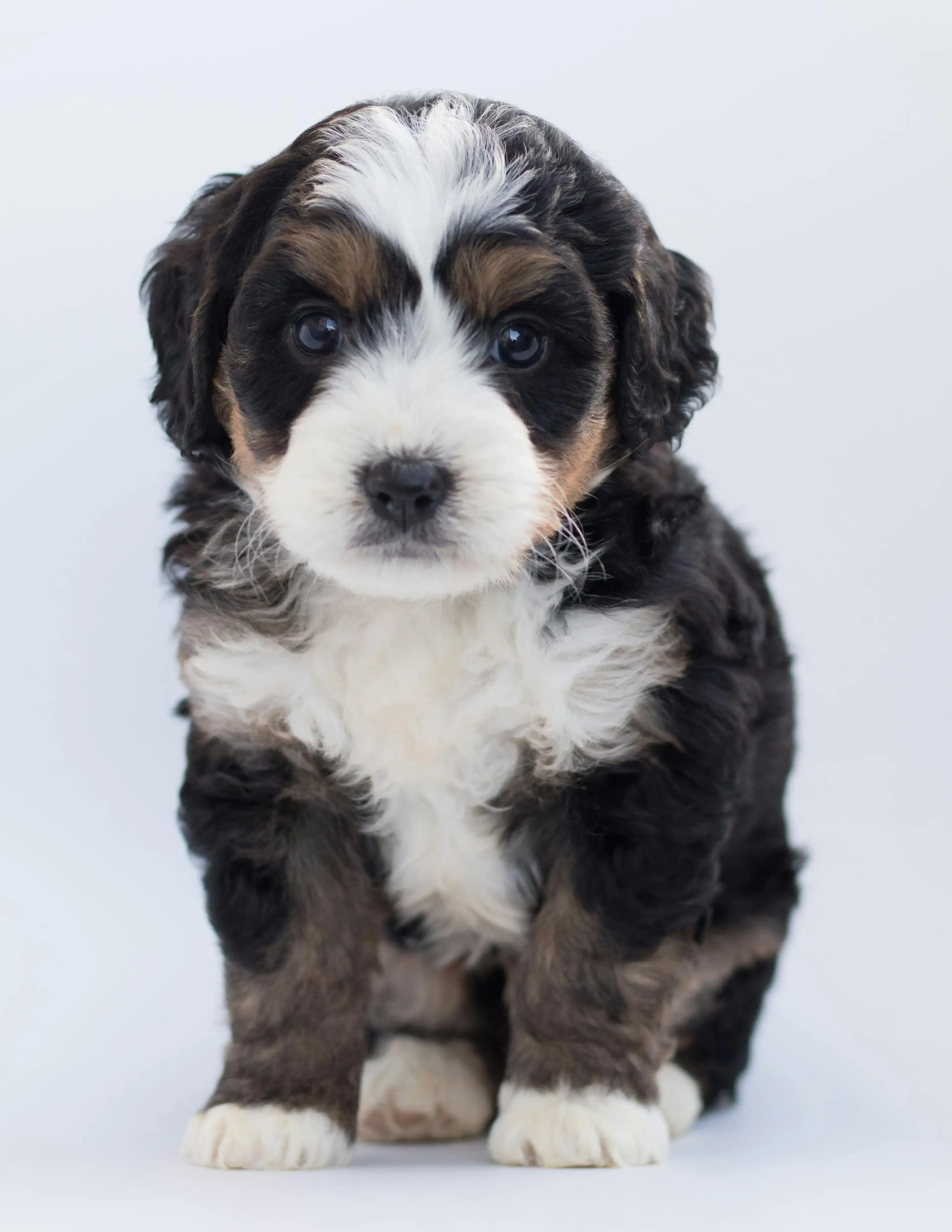
The Toy Poodle stands under 28 cm (11 inches). Bred primarily as a companion animal, the Toy is the smallest and most delicate of the three. Despite the size reduction, the same intelligence and energy that characterises the breed is present — in some respects concentrated.
Temperament: What All Three Have in Common
Whatever the size, a Poodle is a Poodle in temperament. The breed is consistently ranked among the most intelligent dogs in existence — in Stanley Coren's influential ranking of canine intelligence, the Standard Poodle places second overall. This intelligence is observable in daily life: Poodles learn new cues rapidly, solve problems, and adapt to situations in ways that genuinely surprise their owners.
Poodles are active, eager to please, and deeply sociable. They bond closely with their families and are typically good with strangers when properly socialised, though some individuals — particularly those from lines bred for show rather than temperament — can be more reserved. They are sensitive dogs; harsh training methods are not only unnecessary but counterproductive. A Poodle that is treated firmly but fairly will respond with enthusiasm. One that is handled with frustration or inconsistency may become anxious or shut down.
The breed can be prone to separation anxiety, particularly in households where the dog has been allowed to become very closely bonded with one person. Gradual independence training from puppyhood prevents this from becoming a serious problem.
The Poodle Coat: Reality Versus Myth
The Poodle coat is one of the defining characteristics of the breed, and also the source of the most significant ongoing ownership commitment. The coat is dense, curly, and grows continuously — it does not shed in the way most breeds do. This is the basis for the "hypoallergenic" reputation (addressed in the FAQ below), but the more important practical reality is that a coat that does not shed must be maintained.
Without regular brushing, the Poodle coat mats close to the skin in a way that is painful and sometimes impossible to reverse without clipping the dog down entirely. Daily brushing is ideal; at minimum, every two to three days. Professional grooming every six to eight weeks is the realistic standard for most owners. The range of clips available — from the practical puppy clip and teddy-bear clip to the elaborate continental and English saddle show clips — means the coat can be managed to suit the owner's time and taste, but there is no maintenance-free option.
This grooming commitment is a real cost, both in time and money. A professional Poodle groom is typically more expensive than a groom for most other breeds because of the coat's complexity. Over the lifetime of a dog that may live 14 to 17 years, the cumulative grooming cost is significant and should be budgeted for honestly.
Exercise Needs by Size
The Standard Poodle is an athlete. Developed to spend hours in the field retrieving waterfowl, the Standard needs a substantial daily exercise commitment — a minimum of an hour of genuine physical activity, not just a gentle walk. Off-lead running, swimming, fetch, and structured dog sports are well matched to the Standard's capacity and energy level. An under-exercised Standard will find its own entertainment, and that entertainment will not usually align with your preferences.
The Miniature Poodle needs moderate exercise — around 45 minutes to an hour daily, with some variation in terrain and activity type to keep the mind engaged as well as the body. They are capable of more vigorous activity if offered it and enjoy it, but are not as demanding as the Standard.
The Toy Poodle is content with less formal exercise but remains an active, lively little dog. Two or three walks a day and indoor play sessions can meet a Toy Poodle's physical needs. However, do not mistake "less exercise" for "easy" — the Toy is just as mentally active as its larger relatives and needs stimulation accordingly.
Training: Exceptionally Capable, but Boredom Is the Enemy
Poodles of all sizes are among the easiest dogs to train. They pick up new behaviours quickly, retain them reliably, and actively enjoy the training process. They excel at competitive obedience, agility, rally, and scent work, and are often seen at the top levels of these sports. The intelligence that makes them so trainable also means that a Poodle that is not trained and mentally challenged will develop problem behaviours — obsessive behaviours, destructive behaviour, excessive barking, or demand behaviours — as an outlet for an active mind with nothing to engage it.
Positive reinforcement methods work exceptionally well with Poodles. Reward the behaviour you want, shape progressively, and keep sessions short and varied. Poodles respond to the trainer's mood — keep it positive, maintain a good pace, and end on a success.
Health by Size
All three sizes benefit from health-tested breeding lines, but the specific conditions to be aware of differ by variety.
Standard Poodles are prone to bloat (gastric dilatation-volvulus, or GDV) — a life-threatening condition where the stomach fills with gas and twists. Deep-chested breeds are most at risk. Feeding from a raised bowl was historically recommended but is now contested; avoiding vigorous exercise around mealtimes is more consistently supported. Addison's disease (hypoadrenocorticism) occurs at elevated rates in Standard Poodles and can be difficult to diagnose because its symptoms — lethargy, vomiting, muscle weakness — are vague and intermittent. Epilepsy and hip dysplasia are also conditions that responsible breeders screen for.
Miniature Poodles are more prone to diabetes mellitus and Cushing's disease (hyperadrenocorticism) than the other sizes. Patellar luxation — where the kneecap slips out of position — is common and ranges from asymptomatic to requiring surgical correction. Progressive retinal atrophy and other eye conditions are also concerns in this size.
Toy Poodles share the patellar luxation risk with the Miniature, and are additionally prone to tracheal collapse (a softening of the cartilage rings supporting the trachea, causing a characteristic honking cough — often managed with harnesses instead of collars and, in more severe cases, medication or surgery). Dental disease is common in Toy breeds because the same number of teeth are fitted into a much smaller jaw, leading to crowding and early periodontal disease. Regular dental care is essential. Hypoglycaemia (low blood sugar) in very young Toy Poodle puppies requires careful management — small, frequent meals and monitoring during the first months of life.
Lifespan
Poodles are long-lived dogs. Standards typically live 12 to 15 years; Miniatures 14 to 16 years; Toys 14 to 17 years — following the general pattern that smaller dogs tend to outlive larger ones. This longevity is one of the breed's great attributes, but it also means the commitment of Poodle ownership extends over many years. A Toy Poodle adopted as a puppy may well be with you for nearly two decades.
If you are considering one of the many Poodle crosses — the Cockapoo being among the most popular — our Cockapoo breed guide covers what to expect from Poodle hybrid temperament and coat inheritance.
Frequently Asked Questions
Are Poodles truly hypoallergenic?
No dog is truly hypoallergenic. The allergen responsible for most dog allergy reactions is a protein in saliva, urine, and skin secretions — not fur itself. Because Poodles shed very little, less dander circulates in the home, which does reduce allergen exposure for many people. But anyone with a genuine dog allergy may still react. Spend extended time with a Poodle before committing to ownership if allergies are a concern.
Which size of Poodle is best for a flat or apartment?
Miniature and Toy Poodles adapt more easily to apartment living than Standards, primarily because their exercise needs are more manageable. That said, all Poodles need consistent mental stimulation regardless of size — a bored Poodle in a small flat is not a happy one. Regular walks, training sessions, and interactive toys are non-negotiable whatever the living situation.
Do Poodles need a lot of grooming?
Yes — more than most breeds. The continuously growing, non-shedding coat will mat without daily or near-daily brushing, and professional grooming every six to eight weeks is the realistic standard. Factor both the time and ongoing financial cost of grooming into your decision before getting any size of Poodle.
Are Poodles good with children?
Poodles are generally excellent family dogs — playful, patient, and intelligent enough to adapt their behaviour to different family members. Standard Poodles are the most robust with young children; Toy Poodles are better matched to families with older children who can handle a small dog carefully.
What health problems do Poodles commonly have?
Health concerns vary by size: Standards are most prone to bloat/GDV, Addison's disease, epilepsy, and hip dysplasia; Miniatures to diabetes, Cushing's disease, patellar luxation, and eye conditions; Toys to patellar luxation, tracheal collapse, dental disease, and hypoglycaemia in puppies. Choose a breeder who health-tests their breeding stock for the conditions relevant to their variety.
Disclaimer: This article is for educational purposes only. Always consult your veterinarian before making significant changes to your dog's care or training routine.

About the Author
Sarah Eve Pet Care Specialist & Canine Behaviour ConsultantSarah is a certified canine behaviour consultant with a background in veterinary nursing. She has helped thousands of dog owners navigate everything from puppy training to senior dog care, combining clinical knowledge with practical, real-world advice.

✓ Veterinary Reviewed
Dr. Jamshed Bilal, DVM Companion Animals (Cats & Dogs) Anjum Veterinary Clinic — PakistanDr. Jamshed Bilal is a companion animal veterinarian practising at Anjum Veterinary Clinic with hands-on clinical experience in small animal medicine, wellness care, and preventive treatments.
LinkedIn ProfileReviewed for medical accuracy — not a substitute for professional veterinary advice. Learn about our review process.