
British Shorthair Breed Guide: Care and Temperament
Reviewed by Dr. Ameer Hamza, DVM
With its round face, dense plush coat, and famously unbothered expression, the British Shorthair is one of the most instantly recognisable cat breeds — and one of the calmest. Often described as a "teddy bear" cat, it combines a sturdy build with a laid-back, independent personality that suits busy households well. This guide covers the breed's history, personality, grooming needs, common health conditions, and how to judge whether it fits your home.
Origin and History
The British Shorthair is one of the oldest identifiable cat breeds in Britain, believed to descend from domestic cats brought to Britain by the Romans nearly 2,000 years ago, which then interbred with local wildcats over centuries. By the late 1800s, breed pioneer Harrison Weir helped establish the British Shorthair as a formal show breed, and it became a fixture at early British cat shows. The breed's round face and solid grey-blue coloring — the "British Blue" — are widely believed to have inspired the illustration of the Cheshire Cat in Lewis Carroll's Alice in Wonderland. Numbers declined sharply during both World Wars, and the breed was partly rebuilt using Persian and Russian Blue crosses before being re-established in its modern form.
Physical Characteristics
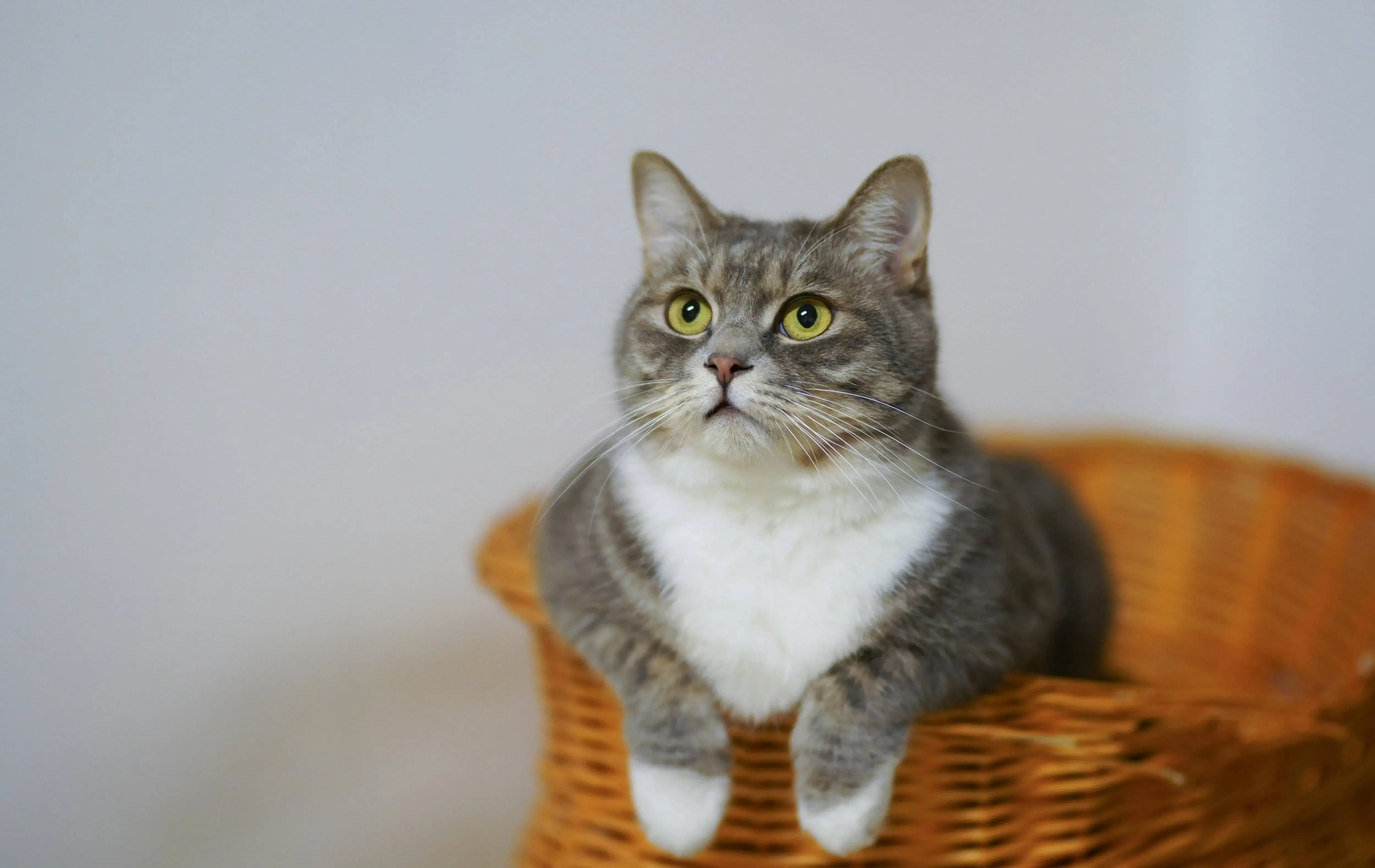
British Shorthairs have a dense, cobby body, short sturdy legs, a broad chest, and a round head with full cheeks that gives the breed its characteristic "smiling" look. Their coat is short, dense, and plush — often compared to the texture of a teddy bear or crushed velvet — and stands away from the body rather than lying flat, thanks to a thick undercoat. While the solid blue-grey British Blue is the most iconic variety, the breed comes in many colors and patterns, including black, white, cream, tabby, and colorpoint. Their large, round eyes are typically copper or gold, though blue-eyed and odd-eyed variants exist in certain color patterns.
Personality and Temperament
British Shorthairs are calm, easy-going, and notably independent compared with more clingy breeds. They form strong bonds with their families but express affection quietly — often choosing to sit nearby rather than in a lap, and tolerating rather than seeking out being picked up and carried. This independence, combined with a naturally low-energy disposition, makes them well suited to owners who work outside the home, as they do not typically suffer from separation anxiety the way more social breeds can.
Despite their reserved nature, British Shorthairs are good-natured around children and other pets, rarely showing aggression and generally tolerating a busy household with equanimity. They are not a particularly vocal breed and tend to communicate in soft chirps and trills rather than the insistent yowling seen in breeds like the Siamese. Their intelligence is understated rather than showy — they are capable of learning routines and simple cues but are not typically motivated to perform tricks the way more food- or attention-driven breeds are.
Grooming Needs
The British Shorthair's dense double coat requires moderate, regular grooming. Brushing once or twice a week with a slicker brush or grooming glove removes loose hair and helps prevent the formation of hairballs, which can be a concern given the coat's density. During seasonal shedding periods — typically spring and autumn — brushing every other day helps manage the substantially increased hair loss. Outside of these periods, the coat is relatively easy to maintain compared with longhaired breeds, and bathing is rarely necessary.
Common Health Problems
Hypertrophic cardiomyopathy (HCM) is the most significant hereditary health concern in the breed — a thickening of the heart muscle that can lead to heart failure if undetected, and which reputable breeders screen for via periodic cardiac ultrasound in breeding cats. Obesity is another major concern: the breed's naturally low activity level and food motivation, combined with a cobby build that can disguise early weight gain, make portion control and regular interactive play genuinely important rather than optional.
Polycystic kidney disease (PKD), inherited historically from Persian crosses used to rebuild the breed after the World Wars, appears in some lines, though at a lower rate than in Persians themselves; genetic testing is available and used by many breeders. Dental issues, including gingivitis, are also seen at a somewhat elevated rate and benefit from regular dental checks and home dental care where the cat will tolerate it.
Diet and Feeding
Because British Shorthairs are prone to weight gain, portion-controlled feeding using a kitchen scale rather than free-feeding is strongly recommended, along with a diet appropriate to the cat's life stage and activity level. Daily interactive play — even just 10-15 minutes with a wand toy — helps offset the breed's naturally sedentary tendencies and supports healthy weight management. Owners should discuss an appropriate calorie target with their veterinarian, particularly after neutering, when metabolic rate typically drops further.
Is a British Shorthair Right for You?
A British Shorthair suits an owner who wants a calm, low-maintenance, independent companion that is comfortable being left alone for reasonable periods and that gets along well with children and other pets. It is a poor fit for someone specifically wanting a constant lap cat or a highly vocal, attention-seeking breed. Given the breed's tendency toward obesity and HCM, working with a breeder who screens for heart disease, and committing to portion-controlled feeding from the outset, are both important parts of responsible ownership.
Frequently Asked Questions
Are British Shorthairs good lap cats?
Not typically — they prefer sitting nearby to sitting on top of you, and most are not enthusiastic about being picked up for long periods. Affection is shown quietly rather than through constant physical closeness.
Do British Shorthairs need a lot of grooming?
Moderate grooming — weekly brushing generally suffices, increasing to every other day during seasonal shedding in spring and autumn. Their coat is low-maintenance compared with longhaired breeds outside of these periods.
Are British Shorthairs prone to obesity?
Yes — their low energy level and food motivation make weight gain common. Portion-controlled feeding and daily play are important preventive measures.
What health problems are British Shorthairs prone to?
Hypertrophic cardiomyopathy, obesity, some incidence of polycystic kidney disease, and dental issues are the main concerns. Cardiac screening in breeding lines helps reduce HCM risk.
Are British Shorthairs good with children and other pets?
Yes, generally excellent — their calm, tolerant temperament adapts well to busy households, children, and other pets including dogs.
For related breed comparisons, see the Persian cat breed guide and the Siamese cat breed guide. For a full overview of cat health, nutrition, and behaviour, visit the complete cat care guide.
Disclaimer: This article is for educational purposes only. Always consult a licensed veterinarian for your pet's health and medical needs.
For a full overview of cat health, nutrition, behaviour, and care, see the complete cat care guide.

About the Author
Reena Scot Pet Care Expert & Certified Feline SpecialistReena has over a decade of experience in feline health, behaviour, and nutrition. She has worked with animal shelters, veterinary clinics, and cat adoption programmes, helping owners make informed decisions about care, diet, and long-term wellness for their cats.

✓ Veterinary Reviewed
Dr. Ameer Hamza, DVM Companion Animals (Cats, Dogs, Birds, Fish) Manj Pets & Veterinary Clinic — Lahore, PakistanDr. Ameer Hamza is a Lahore-based veterinarian practising at Manj Pets & Veterinary Clinic. He specialises in companion animal care including preventive health, nutrition, and clinical treatment for cats and dogs.
LinkedIn ProfileReviewed for medical accuracy — not a substitute for professional veterinary advice. Learn about our review process.