
Siamese Cat Breed Guide: History, Temperament and Care
Reviewed by Dr. Ameer Hamza, DVM
The Siamese is one of the most recognisable and vocal cat breeds in the world, prized for its striking color-point coat, vivid blue eyes, and a personality that owners often compare to a dog more than a typical cat. It is also one of the most demanding breeds in terms of companionship — Siamese cats bond intensely and do not thrive on being ignored. This guide covers the breed's history, temperament, grooming needs, common health conditions, and how to judge whether a Siamese fits your household.
Origin and History
The Siamese originated in Siam (modern-day Thailand), where cats of this type were documented as far back as the Ayutthaya Kingdom, with references appearing in the Tamra Maew, an ancient manuscript of cat breeds. According to popular history, Siamese cats were kept in royal palaces and Buddhist temples and were considered sacred, sometimes believed to house the souls of the deceased. The breed was introduced to the West in the late 1800s, including a well-documented pair gifted to the British Consul-General in Bangkok in 1884, and quickly became a sensation at early European and American cat shows for its unusual appearance and bold personality.
Physical Characteristics
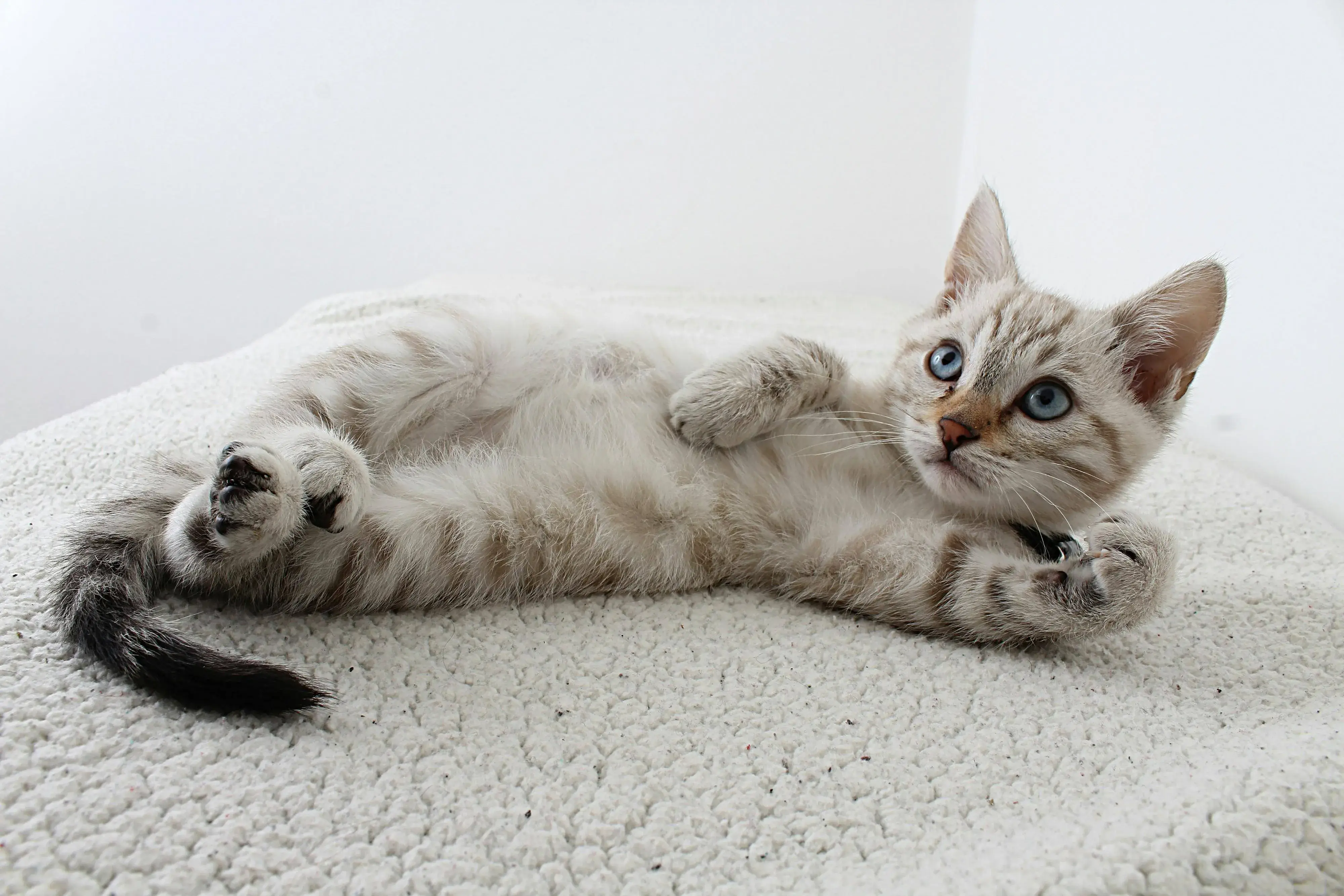
Siamese cats have a long, slender, muscular body, a wedge-shaped head, large pointed ears, and almond-shaped, vividly blue eyes. Their defining feature is the color-point coat pattern: a pale body with darker coloring — seal, chocolate, blue, or lilac — concentrated on the ears, face (mask), paws, and tail. This pattern is caused by a temperature-sensitive form of albinism, where pigment develops more strongly in the cooler extremities of the body, which is also why point color can darken slightly as a cat ages or lives in a cooler climate. The coat itself is short, fine, and close-lying, requiring minimal grooming compared with longhaired breeds.
Personality and Temperament
Siamese cats are famous for being extremely vocal, using a distinctive, low, raspy yowl to communicate constantly with their owners about food, attention, and anything else on their mind. They are highly social, intelligent, and people-oriented, often following their owners from room to room and greeting them at the door — behaviour that has earned the breed a reputation as "the dog of the cat world." Siamese are also known for forming a particularly strong bond with one person in the household, though they are generally sociable with the whole family.
This breed is not suited to being left alone for long periods. A bored or under-stimulated Siamese can become anxious, excessively vocal, or destructive, so owners should be prepared to provide regular interactive play, puzzle feeders, and — ideally — company, whether human or another pet, for large parts of the day. Their intelligence also makes them highly trainable; many Siamese learn to walk on a harness, play fetch, and respond to basic cues.
Grooming Needs
Compared with longhaired breeds like the Persian, Siamese cats are low-maintenance to groom. Their short, fine coat sheds minimally and rarely mats, and a weekly brushing with a rubber grooming mitt or soft brush is generally sufficient to remove loose hair and keep the coat glossy. Routine care — nail trims, ear checks, and dental hygiene — follows standard feline guidelines rather than anything breed-specific.
Common Health Problems
Siamese cats are predisposed to amyloidosis, a condition in which an abnormal protein called amyloid builds up in organs, most commonly the liver, and can lead to organ failure over time; there is currently no cure, though early detection and supportive management can help. The breed also has a higher-than-average tendency toward feline asthma and other respiratory sensitivities, and owners should watch for coughing, wheezing, or laboured breathing.
Progressive retinal atrophy, an inherited condition that causes gradual vision loss, and dilated cardiomyopathy, a weakening of the heart muscle, are both seen more frequently in Siamese lines than in the general cat population. The breed also has an elevated incidence of certain cancers, including mediastinal lymphoma. Reputable breeders screen for known heritable conditions, and prospective owners should ask about health testing in a kitten's parent lines. Crossed eyes and a kinked tail were historically common in the breed due to the same genetic factors linked to the color-point pattern, though decades of selective breeding have made both far less common in modern show lines.
Diet and Feeding
Siamese do not have unusual dietary requirements beyond a complete, balanced diet appropriate to their life stage, but their naturally slender, athletic build means they can be prone to weight gain if overfed and under-exercised, particularly once neutered. Given their high activity level and intelligence, interactive feeding methods such as puzzle feeders can help manage weight while satisfying their need for mental stimulation.
Is a Siamese Cat Right for You?
A Siamese suits an owner who wants an interactive, vocal, highly social cat and who has the time — or another companion animal — to meet its considerable need for attention. It is a poor fit for households that are empty for long stretches of the day, or for owners who prefer a quiet, independent cat. Given their intelligence and social needs, Siamese also do well in homes with another cat for company, provided introductions are handled carefully. Anyone considering the breed should ask breeders about health testing for amyloidosis and cardiac conditions in the cat's lineage.
Frequently Asked Questions
Are Siamese cats very vocal?
Yes — they are one of the most vocal breeds, using a distinctive yowl frequently to communicate. This trait delights owners who want an interactive cat and can be a drawback for those who prefer quiet.
Do Siamese cats need a lot of attention?
Yes. They bond intensely with their people and do not do well left alone for long periods. A bored Siamese can become destructive or excessively vocal, so this breed suits attentive, present owners.
What health problems do Siamese cats have?
Amyloidosis, feline asthma, progressive retinal atrophy, dilated cardiomyopathy, and certain cancers including mediastinal lymphoma are the most notable breed-associated conditions. Health screening in breeding lines helps reduce risk.
Are Siamese cats good for first-time owners?
They can be — grooming is minimal and they are highly trainable — but first-time owners must be genuinely prepared for a demanding, people-focused cat rather than an independent one.
How long do Siamese cats live?
Commonly 12-15 years, sometimes longer with good care, weight management, and monitoring for breed-specific health conditions.
For related breeds, see the Persian cat breed guide and the Himalayan cat breed guide — a cross of these two breeds. For a full overview of cat health, nutrition, and behaviour, visit the complete cat care guide.
Disclaimer: This article is for educational purposes only. Always consult a licensed veterinarian for your pet's health and medical needs.
For a full overview of cat health, nutrition, behaviour, and care, see the complete cat care guide.

About the Author
Reena Scot Pet Care Expert & Certified Feline SpecialistReena has over a decade of experience in feline health, behaviour, and nutrition. She has worked with animal shelters, veterinary clinics, and cat adoption programmes, helping owners make informed decisions about care, diet, and long-term wellness for their cats.

✓ Veterinary Reviewed
Dr. Ameer Hamza, DVM Companion Animals (Cats, Dogs, Birds, Fish) Manj Pets & Veterinary Clinic — Lahore, PakistanDr. Ameer Hamza is a Lahore-based veterinarian practising at Manj Pets & Veterinary Clinic. He specialises in companion animal care including preventive health, nutrition, and clinical treatment for cats and dogs.
LinkedIn ProfileReviewed for medical accuracy — not a substitute for professional veterinary advice. Learn about our review process.