
Introduction
Our furry friends bring joy with their wagging tails and soulful eyes, but their dental health is often overlooked. Ensuring proper dog dental care is crucial for their overall well-being and happiness.
Like humans, dogs can experience dental issues that lead to discomfort and serious health problems. Fortunately, advancements in pet care have introduced a variety of dog dental care products. From toothbrushes to dental chews, let's explore the options available to keep those canine smiles bright.
Choosing the Right Dog Toothbrush
Regular brushing is essential for dogs to prevent plaque and gum disease. With numerous toothbrush options available, selecting the right one for your pet can be challenging.
Factors to Consider When Selecting a Dog Toothbrush
1. Size
Choose a toothbrush that fits your dog's mouth. A small toothbrush may not reach all teeth, while a large one could be uncomfortable or harmful to their gums.
2. Bristles
Opt for soft, flexible bristles to prevent gum irritation.
3. Handle
The handle should be comfortable and long enough to reach the back teeth.
Types of Dog Toothbrushes
Dog toothbrushes come in two main types: manual and electric. Manual toothbrushes are common and affordable, while electric ones, though pricier, can be more effective at plaque removal.
Top Dog Toothbrushes Available
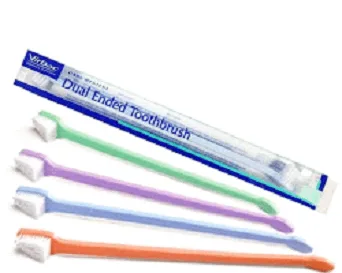
Virbac C.E.T. Dual Ended Toothbrush
This toothbrush features two brush heads for small and large dogs. It has soft, flexible bristles and a long, comfortable handle.
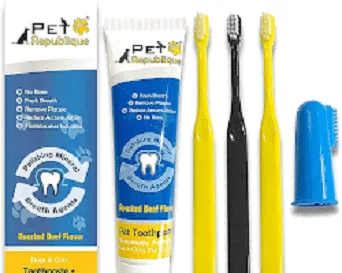
Pet Republique Dog Toothbrush Pack of 6
This pack includes 6 toothbrushes in various colors and sizes to suit different breeds. The bristles are soft, and the handles are short and easy to grip.
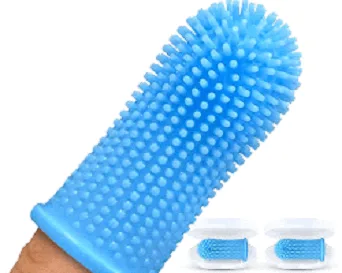
Jasper 360º Dog Toothbrush
This toothbrush features bristles all around the head, allowing for more efficient cleaning. The soft bristles and angled handle provide easy access to back teeth.
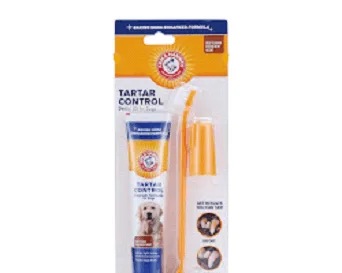
Arm & Hammer Tartar Control Toothbrush & Cover
This toothbrush includes soft bristles and a built-in cover for cleanliness. The cover also makes it convenient to store in a pocket or bag.
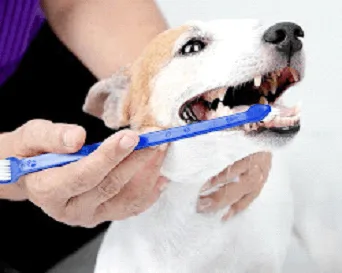
Wobble Wag GUM Buddy Finger Toothbrush
This finger toothbrush is ideal for dogs new to brushing. The soft bristles are gentle on gums, and the finger sleeve allows for easy pressure application.
Regardless of the toothbrush you select, it's vital to start brushing your dog's teeth early and make it a regular habit. Consistent brushing helps maintain a healthy smile for years.
Additional Tips for Brushing Your Dog's Teeth
- Let your dog sniff the toothbrush to get accustomed to it.
- Apply a small amount of dog-friendly toothpaste.
- Brush gently in a circular motion, avoiding gum injury.
- Ensure all tooth surfaces are brushed, including front, back, and top.
- Brush for at least two minutes, twice daily.
- If your dog resists, start with short sessions and gradually increase the time.
- Consider using a finger toothbrush or dental chews for additional cleaning.
- Schedule regular dental checkups and cleanings with your veterinarian.
Top Dog Dental Care Products
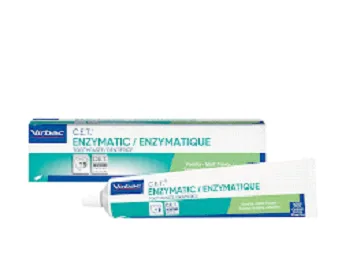
Virbac C.E.T. Enzymatic Toothpaste
This veterinarian-recommended toothpaste helps break down plaque and tartar. Available in flavors like mint, chicken, and beef.
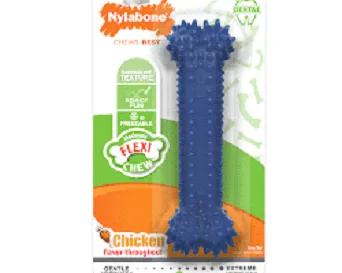
Nylabone Dental Chews
Made from durable nylon, these chews help remove plaque and tartar. Available in various shapes and sizes for different breeds.
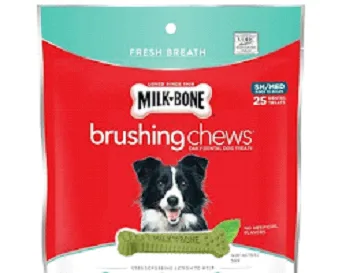
Milk-Bone Fresh Breath Brushing Chews
These soft, chewy treats clean teeth and freshen breath. Available in flavors like peanut butter, bacon, and chicken.
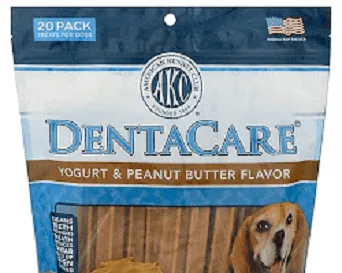
American Kennel Club Denta-Care Dog Treats
Made with yogurt and peanut butter, these treats freshen breath and clean teeth. Available in various shapes and sizes for different breeds.
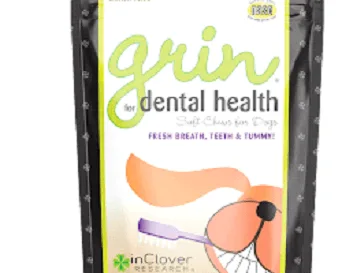
Grin Dental Soft Chew Supplement for Dogs
This chewable supplement freshens breath and reduces plaque and tartar. Available in flavors like beef, chicken, and lamb.
The Importance of Dog Dental Health
Did you know that around 80% of dogs face dental issues by age three? Ignoring dental care can lead to bad breath, tartar buildup, gingivitis, and tooth loss. Poor oral health is also linked to systemic issues like heart, liver, and kidney problems. Just as we need regular brushing and flossing, dogs require proper dental care for overall health.
-
Toothbrushes and Toothpaste
Yes, dogs have their own toothbrushes and toothpaste! Specially designed brushes with soft bristles and finger brushes make brushing easier. Dog-friendly toothpaste comes in flavors like poultry, beef, and mint. Regular brushing, ideally 2-3 times a week, prevents plaque and tartar buildup, ensuring a healthier smile.
-
Dental Chews and Treats
Dental chews and treats are tasty and crucial for oral health. They help scrape away plaque and tartar as dogs chew, promoting healthier gums and teeth. Look for treats with the Veterinary Oral Health Council (VOHC) seal, indicating effectiveness in reducing tartar and plaque.
-
Water Additives
For dogs who dislike brushing, water additives offer a convenient alternative. These additives combat bacteria, reduce bad breath, and promote oral hygiene. Simply add the recommended dosage to your dog's water bowl for fresher breath and a healthier mouth.
-
Dental Toys
Combining playtime with dental care, dental toys massage gums and clean teeth as dogs chew. Look for toys with textured surfaces to dislodge food particles and plaque, contributing to better oral health.
Conclusion
Our loyal companions deserve the best care, including proper dental care. Investing in dog dental products ensures a dazzling smile and a healthier, happier life. From toothbrushes and toothpaste to dental chews and water additives, there's a solution for every pup's needs. A little effort in maintaining your dog's dental health today leads to a lifetime of tail wags and joyful smiles. Treat your four-legged friend to excellent oral care—they'll thank you with radiant smiles and boundless affection.
The Importance of Dog Dental Health
Dental disease is the most commonly diagnosed health problem in adult dogs, yet it is also one of the most preventable. Understanding why oral health matters so much – and what happens when it is ignored – can motivate even the busiest pet parent to build a consistent dental care routine.
Plaque, a sticky film of bacteria, begins accumulating on your dog’s teeth within hours of a meal. Left undisturbed, plaque hardens into tartar (also called calculus) within a few days. Tartar buildup irritates the gums, leading to gingivitis – the earliest and most reversible stage of gum disease. If still untreated, gingivitis progresses to periodontitis, where bacteria work their way below the gum line, destroying the ligaments and bone that hold teeth in place. Advanced periodontitis causes tooth loss and chronic pain.
Beyond the mouth, the same bacteria responsible for periodontal disease can enter the bloodstream through inflamed gum tissue and travel to the heart, kidneys, and liver. Studies in veterinary medicine have found correlations between untreated dental disease and conditions including endocarditis, kidney disease, and liver inflammation. This is why dental care is not just about fresh breath – it is genuinely a whole-body health issue.
Daily Dental Care Routine for Dogs
Building a dental routine that you and your dog can both sustain is more important than occasional heroic efforts. Here is a practical, realistic daily approach that delivers results.
The gold standard is daily brushing with a dog-specific toothbrush and enzymatic toothpaste. Enzymatic toothpastes contain glucose oxidase and lactoperoxidase, enzymes that break down plaque-forming bacteria even if you can’t reach every surface. Never use human toothpaste – fluoride and xylitol, both common in human products, are toxic to dogs.
If your dog is not yet accustomed to brushing, start by letting them lick a small amount of toothpaste from your finger over a few days. Then progress to rubbing your finger along their gum line, then introducing the toothbrush gradually. Aim to brush all outer tooth surfaces in gentle circular motions, focusing especially on the upper back molars where tartar tends to accumulate first.
On days when brushing is not possible, complement your routine with a dental chew or a few minutes with a dental toy. A water additive can also help reduce bacterial loads overnight when your dog is not eating or chewing. None of these alternatives replace brushing, but they are valuable layers of protection in your overall dental care strategy.
Comparing Dental Chews, Water Additives, and Brushing
There is no shortage of dental care products on the market, and understanding what each type actually does helps you build a smarter routine rather than simply spending more money.
- Brushing: The most effective method available. Physical removal of plaque through brushing is irreplaceable because no other product reaches between teeth and along the gum line as thoroughly. Daily brushing can reduce tartar buildup by up to 70%. The main challenge is getting your dog comfortable with the process, which requires patient training.
- Dental Chews: The mechanical action of chewing works plaque off tooth surfaces, particularly the upper carnassial teeth (the large shearing teeth in the back). Look for products with the VOHC (Veterinary Oral Health Council) seal, which indicates the product has been independently tested and proven to reduce plaque or tartar. Avoid very hard chews like antlers or raw bones that can fracture teeth.
- Water Additives: These are dissolved into your dog’s drinking water and work throughout the day by reducing bacterial counts in the mouth. They are the easiest dental care product to implement – just pour and done – but they have the most modest impact on their own. Used alongside brushing or chews, they are a worthwhile addition.
- Dental Toys: Textured rubber toys and rope toys can help dislodge plaque during play. They are a valuable supplement for dogs who resist other forms of dental care, but they should not be the only line of defense.
The ideal approach combines daily brushing with a dental chew three to five times per week and a water additive daily. Even if you can only commit to two of these three, you will significantly improve your dog’s oral health compared to doing nothing at all.
Frequently Asked Questions
How often should my dog have a professional dental cleaning?
Most veterinarians recommend a professional dental cleaning under anesthesia once a year for the average adult dog. Dogs with a history of fast tartar buildup, crowded teeth, or existing periodontal disease may benefit from cleanings every six months. Your vet will assess your dog’s teeth at each annual exam and advise on the right schedule for your individual dog.
My dog won’t let me brush their teeth – what should I do?
Go back to basics with very gradual desensitization. Start by touching your dog’s muzzle and lips daily while giving treats, then progress to lifting the lips briefly, then touching the teeth with your finger, and finally introducing the toothbrush. This process can take one to three weeks but is worth the investment. If your dog remains strongly resistant, focus on high-quality dental chews and water additives, and discuss the issue with your vet – some dogs do better with prescription dental diets or more frequent professional cleanings.
What are the signs that my dog already has dental disease?
The most common signs include persistent bad breath, yellow or brown buildup on the teeth (especially near the gum line), red or swollen gums, pawing at the mouth, dropping food while eating, reluctance to chew hard treats, and drooling more than usual. Any of these signs warrants a veterinary examination. Many dogs with moderate to advanced dental disease do not show obvious pain, so regular check-ups are important even for dogs that seem comfortable.
Related Topics
Nylabone Durable Chew Dog Toys: A Canine Companion’s Dream
Top 10 Amazing Chuckit Launcher Toys for Dogs: Unleash the Fun!
Top 10 Amazing and Interactive Toys for Dogs to Play With
Creating a Pet-Friendly Oasis: Artificial Grass Dog Litter Spaces for Dogs
Embracing Eco-Friendly Living: Wood Pellet Dog Litter and Innovative Litter Boxes
Top 10 Dog Litter and Litter Boxes: A Perfect Guide for Pet Parents
Top 10 Companies to Provide the Best Raw Dog Food
Unveiling the Top 10 Wet Dog Food (Canned) Companies for Your Furry Friend Palate
Top 10 Best Dog Foods and Treats to Improve Their Health
Top 10 Dog Conditioner Grooming Supplies: Pampering Your Pooch with Purrfection
Luxurious Locks: Top 10 Dog Conditioner Grooming Products for Healthy and Happy Pups
Top 10 Dog Grooming Products for a Happy and Healthy Pup
Top 10 Grooming Products for Your Dogs: Keeping Your Four-Legged Friends Looking Pawsome!
Dog Joint (Top 10) Supplements Health and Wellness Products
Top 10 Dog Health and Wellness Products for a Happy and Healthy Pup
Top 10 Front-Clip Harnesses for Dogs: A Must-have for Pet Owners
Dog Harnesses (Top 10 ) for Comfortable and Safe Walking
Top 10 Orthopedic Dog Beds for Your Beloved Canine Companion
Top 10 Standard Beds for Dogs: Comfort, Support, and Style for Your Furry Friend
Dog Treat Pouches (Top 10 ) for Training and Convenience
Top 10 Dog Training Tools Every Dog Owner Should Know About
A Fresh Breath of Health: Exploring Top 10 Dog Toothpaste Dental Care Products
Unveiling the Smile Savers: A Deep Dive into Dog Dental Care Products