
Introduction
Our beloved canine companions fill our lives with unconditional love, loyalty, and boundless joy. As responsible dog owners, it is our duty to ensure their well-being, which includes regular grooming.
Grooming your dog is an important part of keeping them healthy and looking their best. Not only does it help to remove dirt, debris, and mats from their fur, but it also helps to distribute natural oils throughout their coat, which can keep their skin healthy.
Grooming not only keeps them looking fabulous but also promotes their overall health and happiness. With a plethora of grooming products flooding the market, it can be overwhelming to find the best ones for your furry friends. Fear not!
In this article, we present the top 10 grooming products that will leave your dog looking and feeling their very best. There are a variety of grooming products available, so it can be difficult to know where to start.
Here are the top 10 grooming products for your dog
Shampoo and Conditioner
A good shampoo and conditioner is essential for keeping your dog’s coat clean and healthy. Look for a shampoo that is formulated for your dog’s specific coat type and use a conditioner to help keep their fur soft and manageable.
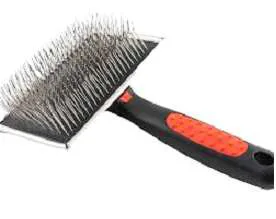
Brush
A good brush is a must-have for any dog owner. There are a variety of brushes available, so you’ll need to choose one that is appropriate for your dog’s coat type. For example, a slicker brush is a good choice for dogs with long, thick fur, while a pin brush is a good choice for dogs with short, wiry fur.
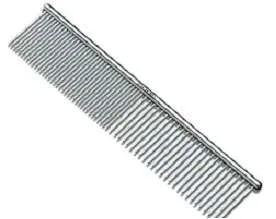
Comb
A comb is also a useful tool for grooming your dog. It can be used to remove mats from their fur and to ensure that their coat is evenly distributed.
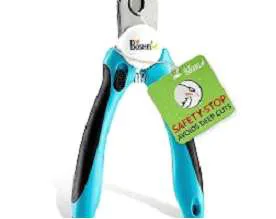
Nail Clippers
If your dog’s nails are not trimmed regularly, they can become overgrown and painful. Nail clippers are a safe and easy way to trim your dog’s nails.
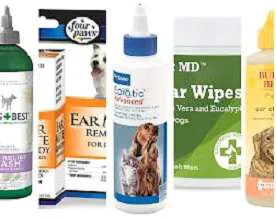
Ear Cleaner
Ears are a common area for bacteria to build up, so it is important to clean them regularly. Ear cleaner is a safe and effective way to clean your dog’s ears.
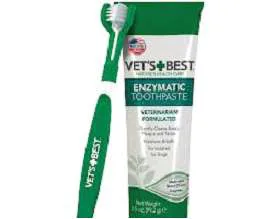
Toothbrush and Toothpaste
Just like humans, dogs need to brush their teeth regularly to prevent plaque buildup and gum disease. Toothbrushes and toothpaste specifically designed for dogs are available at most pet stores.
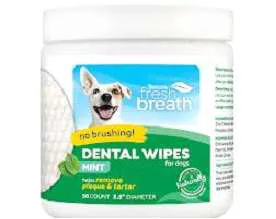
Dental Wipes
If your dog doesn’t like having their teeth brushed, dental wipes are a good alternative. Dental wipes can help to remove plaque and tartar from your dog’s teeth and gums.
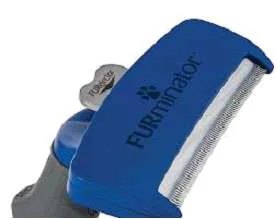
Deshedding Tool
If your dog sheds a lot, a deshedding tool can help to remove loose hair from their coat. This can help to reduce the amount of hair that you have to clean up around your home.
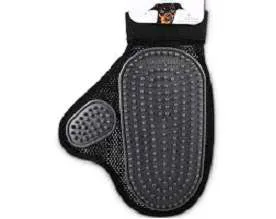
Grooming Mitt
A grooming mitt is a soft, rubber mitt that can be used to remove loose hair from your dog’s coat. It is a gentle way to groom your dog, and it is also a good way to massage their skin.
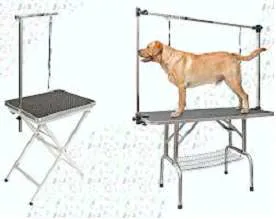
Grooming Table
If you plan on grooming your dog at home, a grooming table can be a helpful tool. It provides a secure and stable surface for your dog to sit on, and it can make grooming easier for both you and your dog.
These are just a few of the many grooming products that are available for dogs. With the right products, you can keep your dog looking and feeling their best.
Here are some additional tips for grooming your dog
- Start grooming your dog at a young age so that they get used to it.
- Make grooming a positive experience for your dog by being gentle and patient.
- Use the right products for your dog’s coat type.
- Brush your dog’s teeth regularly.
- Take your dog to the groomer for professional grooming every few months.
By following these tips, you can help to keep your dog looking and feeling their best.
Top 10 Best Dog shampoos to keep their hairs beautiful
There are many different dog shampoos on the market, so it can be difficult to know which one to choose. Here are the top 10 best dog shampoos to keep their hair beautiful:
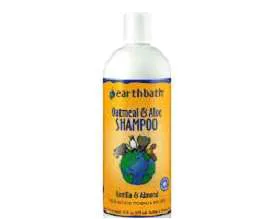
Earthbath Oatmeal & Aloe Dog & Cat Shampoo
This shampoo is made with natural ingredients, including oatmeal and aloe vera, which are known for their soothing and moisturizing properties. It is gentle enough for daily use, and it helps to keep your dog’s coat clean, soft, and manageable.
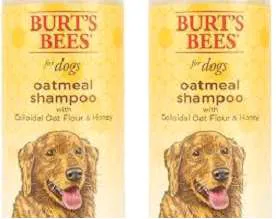
Burt’s Bees for Dogs Natural Oatmeal Shampoo
This shampoo is made with all-natural ingredients, including oatmeal, honey, and chamomile, which are all beneficial for dogs’ skin and coat. It is hypoallergenic and gentle enough for daily use, and it helps to keep your dog’s coat clean, soft, and free of tangles.
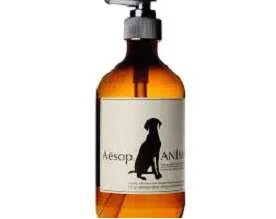
Aesop Animal Shampoo
This shampoo is made with a blend of essential oils and plant extracts, which help to cleanse and condition your dog’s coat. It is also pH-balanced, which helps to protect your dog’s skin.
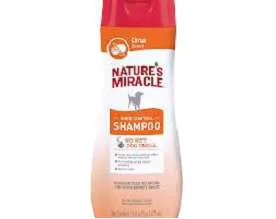
Nature’s Miracle Shed Control Shampoo
This shampoo is designed to help reduce shedding. It contains ingredients that help to loosen and remove loose hair, and it also helps to keep your dog’s coat healthy and shiny.
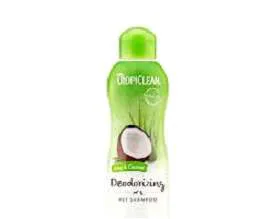
TropiClean Oatmeal & Aloe Vera Dog Shampoo
This shampoo is made with oatmeal and aloe vera, which are both soothing and moisturizing ingredients. It is also hypoallergenic and pH-balanced, making it gentle on your dog’s skin.
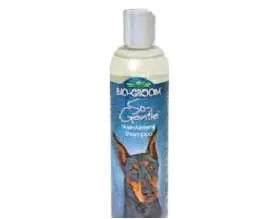
BioGroom All Natural Hypoallergenic Dog Shampoo
This shampoo is made with all-natural ingredients, and it is hypoallergenic, making it a good choice for dogs with sensitive skin. It helps to clean and condition your dog’s coat, and it also helps to remove odors.
Pedigree Pro-V Plus Whitening Dog Shampoo
This shampoo is designed to help whiten your dog’s coat. It contains ingredients that help to remove dirt, debris, and odors, and it also helps to brighten your dog’s coat.
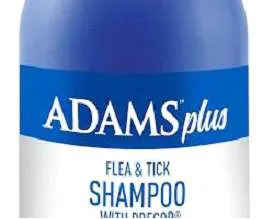
Adams Plus Flea & Tick Shampoo
This shampoo helps to kill fleas and ticks on your dog. It is also effective against other parasites, such as lice and mites.
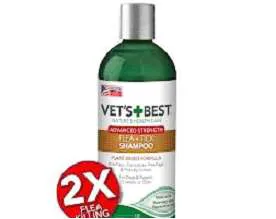
Vet’s Best Flea & Tick Shampoo
This shampoo is another effective option for killing fleas and ticks on your dog. It is also gentle on your dog’s skin, making it a good choice for dogs with sensitive skin.
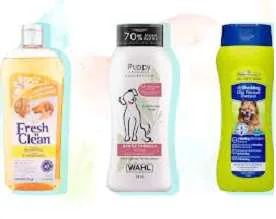
Mila Anti-Itch Dog Shampoo
This shampoo is designed to help relieve itching and inflammation in dogs. It contains ingredients that help to soothe and calm your dog’s skin, and it also helps to remove odors.
Important Note
Some other grooming products
-
Quality Dog Shampoo:
A good shampoo is the foundation of any grooming routine. Look for a shampoo specifically formulated for dogs, as their skin has a different pH level than humans. Choose one that addresses your dog’s specific needs, whether it’s for sensitive skin, odor control, or shedding.
-
Conditioner:
Just like us, dogs’ benefit from a moisturizing conditioner after shampooing. A conditioner will help keep their coat soft, tangle-free, and easier to brush, especially for breeds with longer hair.
-
Dog Brushes and Combs:
Different breeds have different coat types, so invest in the appropriate brush or comb for your dog. For instance, slicker brushes work wonders for removing loose fur from double-coated breeds, while bristle brushes are great for short-haired breeds.
-
Deshedding Tool:
If you have a heavy shedder, a deshedding tool is a must-have! These tools can significantly reduce shedding by removing loose hair from the undercoat, saving your furniture and clothing from endless fur tumbleweeds.
-
Dog Nail Clippers:
Overgrown nails can be uncomfortable for your furry friend and may lead to health issues. Keep your dog’s nails neatly trimmed with the right nail clippers. Opt for a guillotine-style clipper or a grinder, depending on your dog’s comfort and your own confidence in trimming.
-
Ear Cleaner:
Dogs with floppy ears are prone to ear infections. Regularly clean their ears with a gentle ear cleaner to prevent wax buildup and potential infections.
-
Toothbrush and Toothpaste:
Dental health is crucial for dogs, just as it is for humans. Brush your dog’s teeth regularly with a dog-specific toothbrush and toothpaste. It helps prevent plaque, tartar, and bad breath, promoting overall dental hygiene.
-
Paw Balm:
Protect your dog’s paw pads from harsh weather conditions with a nourishing paw balm. This is especially useful during winter or in hot summer months when pavements can get scorching.
-
Dog Wipes:
Dog wipes are a lifesaver for quick cleanups between baths. They can be used to freshen up your pup’s coat, clean their paws after a muddy walk, or wipe away tear stains gently.
-
Scented Spritz or Cologne:
Finish off your grooming routine with a touch of scented spritz or cologne formulated specifically for dogs. This will leave them smelling fantastic and feeling extra loved.
Important
Conclusion
Remember, grooming isn’t just about making your dog look fabulous – it’s about building a strong bond with your furry companion.
Regular grooming sessions provide an opportunity for quality time, love, and care, strengthening the unique and beautiful connection between you and your loyal four-legged friend.
So, pamper your pooch with these top 10 grooming products, and watch as they strut their stuff with confidence and flair! Happy grooming!
Grooming Schedule by Dog Breed Type
Every dog needs grooming, but how often and how extensively depends largely on their coat type and breed characteristics. Having a clear schedule for your specific dog prevents small grooming tasks from becoming big problems and keeps your dog comfortable year-round.
Short-coated breeds (Beagles, Boxers, Dalmatians, Basset Hounds) are the easiest to maintain. A weekly brush with a rubber grooming mitt or bristle brush to remove loose hair and distribute skin oils is usually sufficient. Bathing every four to six weeks keeps the coat fresh. Despite having short coats, these breeds can be significant shedders, so regular brushing is still worthwhile for keeping hair off furniture and clothing.
Double-coated breeds (Labrador Retrievers, German Shepherds, Golden Retrievers, Huskies) have a dense undercoat beneath a protective topcoat and shed heavily, especially during seasonal blowing of their coat in spring and autumn. These dogs benefit from brushing two to three times per week, increasing to daily during heavy shedding periods. A deshedding tool like the FURminator is particularly effective at reaching the dense undercoat and dramatically reduces the amount of hair shed around the home.
Long-coated breeds (Afghan Hounds, Yorkshire Terriers, Maltese, Shih Tzus) require the most maintenance. Daily brushing is often necessary to prevent mats and tangles, and professional grooming every six to eight weeks for trimming and shaping is standard. These breeds may also need conditioning sprays applied before brushing to protect the coat from breakage.
Curly and wavy-coated breeds (Poodles, Doodle crosses, Portuguese Water Dogs, Bichon Frises) do not shed in the traditional sense but their curly hair traps loose fur close to the skin, causing mats to form quickly. These dogs need brushing every two to three days and professional grooming every four to six weeks. Without regular attention, the coat can become so matted that it must be clipped short to start fresh, which is uncomfortable for the dog.
Must-Have Grooming Tools Explained
Having the right tools for your dog’s coat type makes home grooming faster, more effective, and more enjoyable for both of you. Here is a practical breakdown of the core tools every dog owner should have and what each one is best suited for.
- Slicker brush: The most versatile brushing tool for most coat types. Its fine, angled wire bristles work through tangles and remove loose fur from the outer coat effectively. Use on medium to long coats and double coats. Always brush gently to avoid scratching the skin with the metal pins.
- Pin brush: Similar in appearance to a human hairbrush, pin brushes have widely-spaced pins on a cushioned base. They are gentle and ideal for fluffing and finishing long, silky coats after detangling. Not as effective as a slicker brush at removing loose fur.
- Deshedding tool (e.g., FURminator): Specifically designed to reach through the topcoat and remove loose fur from the dense undercoat. Dramatically reduces seasonal shedding. Use once or twice a week during normal periods and more frequently during shedding season. Do not overuse on the same area as it can cause coat damage.
- Metal grooming comb: An essential finishing tool for any coated breed. After brushing, run a metal comb through the coat to catch any remaining tangles that the brush missed. If the comb passes through smoothly from root to tip, the coat is tangle-free.
- Nail grinder or clippers: Both tools accomplish the same goal but suit different dogs. Clippers are faster but can startle noise-sensitive dogs with their snapping sound. Grinders are quieter and give more control for dogs who are anxious about nail trimming. Either way, trimming every three to four weeks prevents overgrowth and keeps your dog comfortable on their feet.
- Dog-specific toothbrush and enzymatic toothpaste: Daily tooth brushing is the gold standard for dental health and significantly reduces the risk of periodontal disease, which affects the majority of dogs over three years of age. Never use human toothpaste, as the fluoride and xylitol in many formulas are toxic to dogs.
Home Grooming vs Professional Grooming
Many dog owners wonder whether they should groom their dog entirely at home, rely on a professional groomer, or combine both approaches. The honest answer is that most dogs benefit from a combination: regular home maintenance in between professional appointments produces the best results and keeps costs manageable.
Home grooming allows you to address small issues as they arise — a muddy paw, a tangle behind the ear, or overgrown nails — without waiting for an appointment. It is also an excellent bonding experience that, when started early and handled gently, teaches your dog to accept handling and examination calmly. This makes veterinary check-ups less stressful for everyone involved.
Professional groomers, on the other hand, bring training, proper equipment, and experience that most home groomers simply cannot replicate. They are skilled at breed-specific trims, handling difficult dogs safely, and spotting early signs of skin conditions, ear infections, or other health concerns that owners might miss. For breeds that require significant clipping or styling — Poodles, Schnauzers, Cocker Spaniels, and most Doodle crosses — professional grooming is practically essential to keep the coat healthy and manageable.
A practical approach for most pet owners is to schedule a professional groom every six to eight weeks and maintain the coat with regular home brushing, nail filing, ear cleaning, and teeth brushing in between. This keeps your dog looking and feeling great while ensuring they get the expert attention their coat requires periodically.
Frequently Asked Questions
Q1. How do I get my dog to tolerate grooming if they hate it?
Grooming sensitivity is very common, especially in dogs who were not introduced to handling as puppies. The most effective approach is gradual desensitization combined with positive reinforcement. Start with very short sessions — even just touching your dog with the brush for a few seconds and giving a treat — and build up duration and intensity slowly over days and weeks. Never restrain a struggling dog forcefully, as this makes the experience worse and increases anxiety. High-value treats given during and immediately after each step help the dog form positive associations with grooming tools and touch. If your dog’s grooming anxiety is severe, a fear-free certified groomer or a veterinary behaviorist can help you develop a personalized desensitization plan.
Q2. How often should I bathe my dog?
For most dogs, bathing once every four to six weeks is appropriate. Bathing too frequently strips the natural oils from the skin and coat, leading to dryness, flakiness, and increased shedding. However, some situations call for more frequent baths: dogs with skin conditions may need medicated shampoo weekly as directed by a vet, and dogs who spend a lot of time outdoors in muddy or dirty environments may need more regular washing. Always use a shampoo specifically formulated for dogs, as human shampoos have the wrong pH for canine skin and can cause irritation. After bathing, dry the dog thoroughly — especially in skin folds and ears — to prevent moisture-related skin problems.
Q3. What are the signs that my dog needs professional grooming rather than home grooming?
A few clear signals indicate that a professional groomers’ skills are needed. If you find mats that are too tight to brush out without causing pain, do not attempt to pull them apart with a brush — a groomer can safely clip them out. If your dog’s coat has grown so long that it is obscuring their vision or dragging on the ground and picking up debris, a trim is overdue. Persistent ear odor or discharge, despite regular cleaning, warrants a professional check. And if your dog is extremely anxious or aggressive during home grooming sessions despite your best efforts, a professional who specializes in handling difficult dogs is the safest option for everyone involved.
Related Topics
Nylabone Durable Chew Dog Toys: A Canine Companion’s Dream
Top 10 Amazing Chuckit Launcher Toys for Dogs: Unleash the Fun!
Top 10 Amazing and Interactive Toys for Dogs to Play With
Creating a Pet-Friendly Oasis: Artificial Grass Dog Litter Spaces for Dogs
Embracing Eco-Friendly Living: Wood Pellet Dog Litter and Innovative Litter Boxes
Top 10 Dog Litter and Litter Boxes: A Perfect Guide for Pet Parents
Top 10 Companies to Provide the Best Raw Dog Food
Unveiling the Top 10 Wet Dog Food (Canned) Companies for Your Furry Friend Palate
Top 10 Best Dog Foods and Treats to Improve Their Health
Top 10 Dog Conditioner Grooming Supplies: Pampering Your Pooch with Purrfection
Luxurious Locks: Top 10 Dog Conditioner Grooming Products for Healthy and Happy Pups
Top 10 Dog Grooming Products for a Happy and Healthy Pup
Top 10 Grooming Products for Your Dogs: Keeping Your Four-Legged Friends Looking Pawsome!
Dog Joint (Top 10) Supplements Health and Wellness Products
Top 10 Dog Health and Wellness Products for a Happy and Healthy Pup
Top 10 Front-Clip Harnesses for Dogs: A Must-have for Pet Owners
Dog Harnesses (Top 10 ) for Comfortable and Safe Walking
Top 10 Orthopedic Dog Beds for Your Beloved Canine Companion
Top 10 Standard Beds for Dogs: Comfort, Support, and Style for Your Furry Friend
Dog Treat Pouches (Top 10 ) for Training and Convenience
Top 10 Dog Training Tools Every Dog Owner Should Know About
A Fresh Breath of Health: Exploring Top 10 Dog Toothpaste Dental Care Products
Unveiling the Smile Savers: A Deep Dive into Dog Dental Care Products