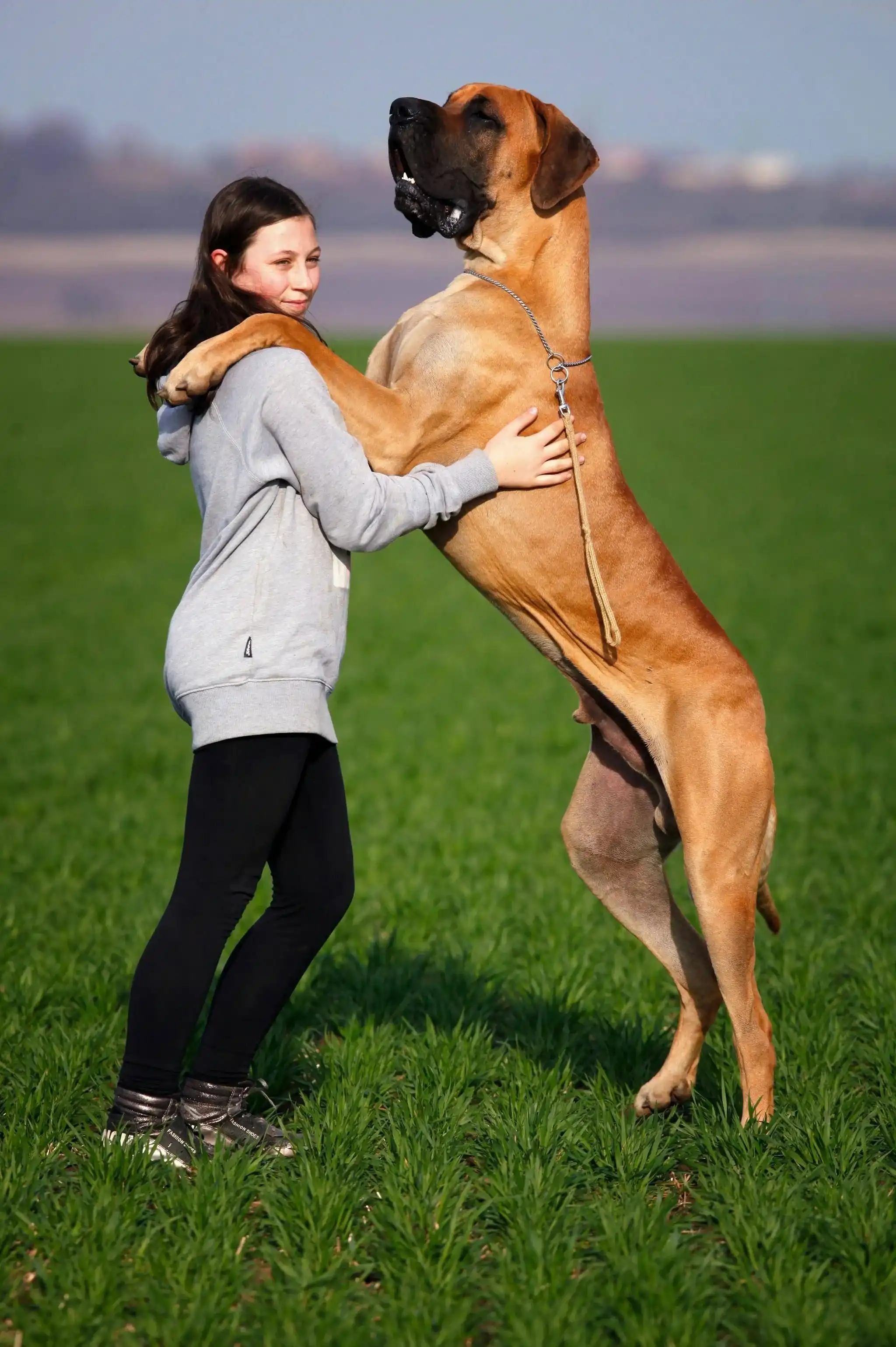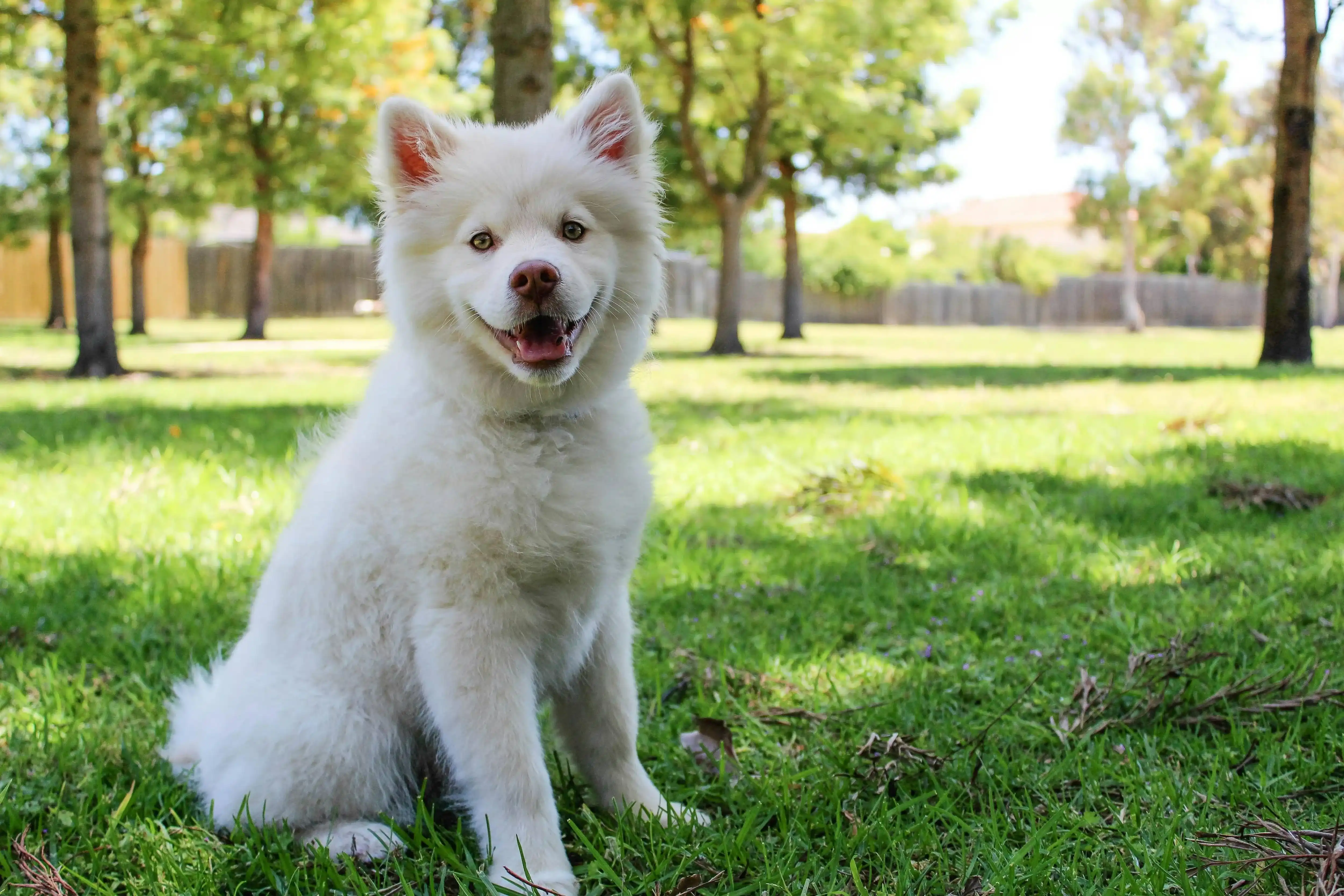

Dog sunscreen is becoming a summer essential, especially for short-haired breeds, light-pigmented skin, and dogs who spend long periods outdoors. Many owners are surprised to learn that human sunscreens can contain ingredients unsafe for dogs.
Why UV Protection for Dogs Is No Longer Optional
High UV days now occur more frequently in many regions. Ears, nose bridges, and belly skin are common burn zones, especially for dogs with sparse fur coverage.
Safe Product Evaluation Checklist
- Clearly labeled for dogs.
- No zinc oxide risk in lick-prone formulas.
- Water-resistant guidance for beach or lake days.
- Application timing and reapply instructions.
- Visible manufacturer safety disclosures.
Sun-Care Decision Table
| Scenario | Recommended Step | Avoid |
|---|---|---|
| Midday walk | Short route + shade breaks | Long exposed pavement sessions |
| Beach day | Frequent reapplication | One-time morning layer |
| Light-skinned dog | Focus nose/ear edges | Assuming fur gives full coverage |
Internal Links to Pair With Summer Care
Outdoor control training tools
External Authoritative References
Blue Cross heat and summer safety
7-Day UV Safety Action Plan
- Day 1: Identify high-risk skin zones.
- Day 2: Test dog-safe sunscreen in small area.
- Day 3: Time walks for lower UV windows.
- Day 4: Add portable shade on long outings.
- Day 5: Track skin redness after outdoor sessions.
- Day 6: Adjust reapplication frequency.
- Day 7: Lock in a repeatable summer routine.
FAQ: Dog Sunscreen Basics
Can I use my own sunscreen on my dog?
No. Many human formulas are not suitable for dogs.
Which dogs need sunscreen most?
Light-skinned, short-haired, and thin-coated dogs often need it most.
How often should I reapply?
Follow label timing, especially after water exposure.
What are signs of dog sunburn?
Red skin, tenderness, warmth, and discomfort on exposed areas.
Does cloud cover remove UV risk?
No. UV exposure remains relevant on many cloudy days.
Is shade alone enough?
Shade helps, but targeted skin protection is still useful.
Seasonal Strategy for US, UK, and Canada Owners
Climate patterns vary, but UV exposure can still be significant on cool or windy days. Build a seasonal checklist that includes walk timing, hydration, and sun-safe gear. For dogs with sensitive skin, prevention is easier than treating irritation after repeated exposure.
Use a simple rule: if outdoor time exceeds your normal short walk window, reassess UV protection steps. Keeping this decision consistent protects both skin comfort and long-term routine quality.
After outdoor sessions, check nose bridge, ear edges, and belly skin for subtle redness. Early detection allows quick routine adjustments before irritation worsens.
Safety and Editorial Disclaimer
This guide is educational and not a veterinary diagnosis. Seek medical care for blistering, severe redness, or pain.
Conclusion
Dog-safe sunscreen is a practical preventive step that protects comfort and long-term skin health. Build your routine around shade, timing, and dog-specific products for the best outcomes.