
Introduction
Bringing a new furry friend into your life is an exciting and rewarding experience. However, as a responsible dog owner, it’s essential to invest time and effort into proper training to ensure your dog becomes a well-behaved and happy member of the family.
Fortunately, there are numerous dog training tools available today that can make the training process more effective, efficient, and enjoyable for both you and your canine companion.
Bringing home a new dog is an exciting time, but it can also be a bit daunting. After all, you want to make sure your furry friend is well-behaved and knows how to follow your commands. That’s where dog training tools come in.
There are a variety of different dog training tools available, each with its own benefits and drawbacks.
Top 10 most popular tools include
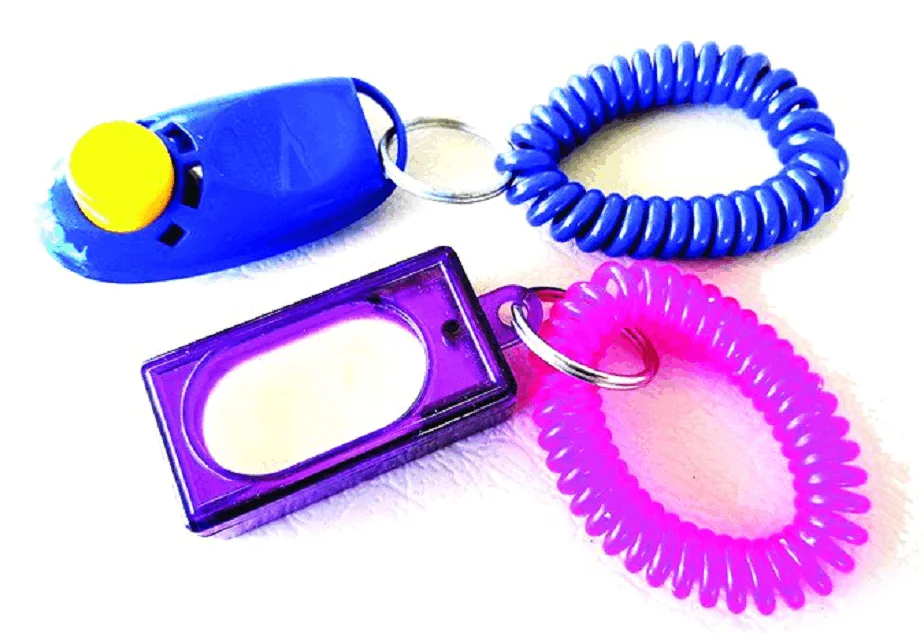
Dog Clicker
A dog clicker is a small, handheld device that makes a clicking sound. It is used in dog training to mark the exact moment your dog performs a desired behavior. This helps your dog to associate the click with the reward, making it easier to train them.
Clicker training is a type of positive reinforcement training, which means that you are rewarding your dog for good behavior. When your dog does something you want them to do, you click the clicker and then give them a treat. This helps your dog to learn that the click means they have done something right, and they will be more likely to do it again in the future.
Clicker training is a very effective way to train dogs, and it is often used by professional trainers. It is a good choice for dogs of all ages and breeds, and it can be used to train a variety of behaviors.
Here are some tips for using a dog clicker:
Start with simple commands. When you are first starting out, it is best to start with simple commands like sit, stay, and come. These commands are easy for dogs to learn, and they will help you to get the hang of using the clicker.
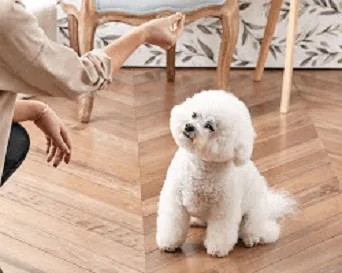


Be consistent: It is important to be consistent with your use of the clicker. If you only click sometimes, your dog will not be able to learn what it means.
Use high-value treats: The treats you use should be high value to your dog. This means that they should be something your dog really loves, such as small pieces of cooked chicken, cheese, or hot dog.
Be patient: It takes time and patience to train a dog with a clicker. Don’t get discouraged if your dog doesn’t learn a command right away. Just keep practicing, and you will eventually see results.
If you are looking for a way to train your dog effectively, clicker training is a great option. It is a simple and humane way to teach your dog new behaviors, and it can be used with dogs of all ages and breeds.
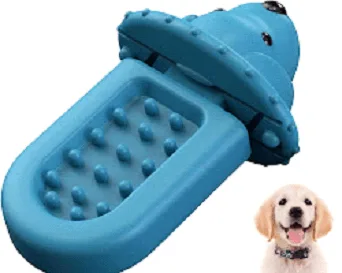
Treats
Treats are a great way to motivate your dog during training. They should be high value treats that your dog loves, such as small pieces of cooked chicken, cheese, or hot dog.
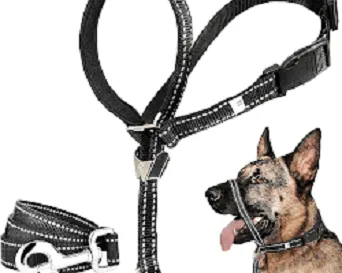
Leashes
Leashes are essential for basic obedience training, such as heeling and sit. It is important to choose a leash that is the right length and strength for your dog.
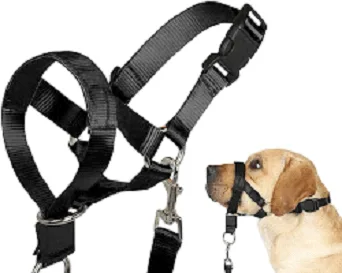
Collar or harness
A collar or harness is also essential for basic obedience training. A collar is typically used for smaller dogs, while a harness is often used for larger dogs.

Long line
A long line is a longer leash that can be used for off-leash training. It allows your dog to have more freedom while still being under your control.
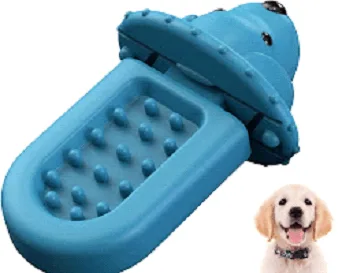
Crate
A crate can be a valuable tool for housebreaking and separation anxiety training. It provides your dog with a safe and comfortable place to relax and sleep.
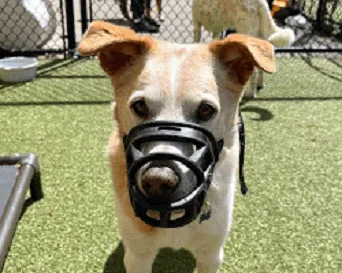
Muzzle
A muzzle can be used to prevent your dog from biting or chewing. It is important to choose a muzzle that fits your dog properly and does not restrict their breathing.
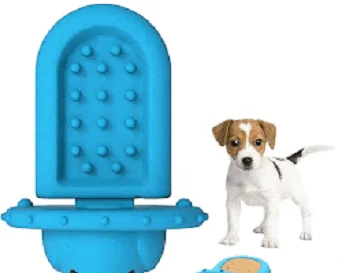
Toys
Toys can be used to keep your dog entertained and to help them learn new behaviors. There are a variety of different toys available, so you can choose ones that your dog will enjoy.
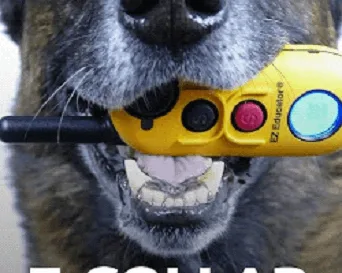
Books and online resources
There are several great books and online resources available that can teach you how to train your dog. These resources can provide you with valuable information and tips that will help you to be successful.
When choosing dog training tools, it is important to consider your dog’s individual personality and needs. Some dogs are more motivated by treats, while others are more motivated by praise. Some dogs are easily distracted, while others are able to focus well. It is also important to choose tools that are safe and effective.
With the right dog training tools, you can help your dog learn new behaviors and become a well-behaved member of your family.
Here are some additional tips for using dog training tools
- Be consistent with your use of the tools. If you only use them sometimes, your dog will not be able to learn what they mean.
- Start with simple commands and gradually work your way up to more complex ones.
- Be patient and positive. Reward your dog for good behavior, even if it is just a small step in the right direction.
- If you are having trouble, seek professional help from a certified dog trainer.
With a little time and effort, you can use dog training tools to help your dog become a well-behaved and loving member of your family.
Here are some additional resources that you may find helpful
- The Association of Pet Dog Trainers: https://apdt.com/
- The American Kennel Club: https://www.akc.org/
- The Humane Society of the United States: https://www.humanesociety.org/
Some other dog training tools
-
Treat Pouch:
A treat pouch is a convenient accessory that attaches to your belt or waistband. It allows you to keep dog treats readily available during training sessions, ensuring quick and timely reinforcement of good behavior.
-
Training Leashes:
Training leashes, such as long lines and training leads, are useful for teaching recall, loose leash walking, and basic commands. They provide more freedom for your dog to explore while maintaining control and safety during training sessions.
-
Dog Training Collar:
Dog training collars, like martingale collars or head halters, can be helpful in training dogs to walk politely on a leash and prevent pulling. However, it’s essential to use these collars correctly and with proper guidance from a professional dog trainer.
-
Interactive Toys:
Interactive toys, like puzzle feeders and treat-dispensing balls, can be excellent tools to keep your dog mentally stimulated and focused during training. They also promote problem-solving skills and prevent boredom.
-
Dog Whistles:
Dog whistles emit high-frequency sounds that are inaudible to humans but can be heard by dogs. They are valuable tools for training commands like recall, especially in open spaces where your voice might not carry as far.
-
Agility Equipment:
Agility training is not only fun but also a great way to enhance your dog’s coordination, strength, and obedience. Agility equipment like tunnels, jumps, and weave poles can be set up in your backyard or at a training facility.
-
Scent Detection Kits:
Scent detection kits engage a dog’s powerful sense of smell and can be used for fun games or more advanced training like search and rescue work. These kits often come with various scents and containers to hide them in.
-
Clicker Apps:
If you prefer digital tools, there are clicker training apps available for smartphones and tablets. These apps simulate the sound of a clicker, making it easy to train your dog anywhere, anytime.
-
Training Treats:
High-quality training treats are essential for positive reinforcement training. Look for treats that are small, tasty, and easily digestible, as they will keep your dog motivated without overindulging.
Conclusion
Effective dog training is crucial for building a strong bond between you and your four-legged friend and ensuring their safety and well-being. The top 10 dog training tools mentioned in this blog offer a variety of options to suit different training needs and preferences.
Remember that consistency, patience, and positive reinforcement are the keys to successful training. Additionally, consider seeking guidance from a professional dog trainer to make the most out of these tools and create a well-behaved and happy canine companion. Happy training!
How to Choose the Right Training Tool for Your Dog
Choosing a training tool is not a one-size-fits-all decision. Every dog has a unique personality, learning speed, and sensitivity level, so what works brilliantly for one pup may be completely ineffective for another. Before picking up any tool, spend a little time observing your dog and thinking about what motivates them most.
Start by considering your dog’s age and experience. Puppies respond best to gentle, reward-based tools like treat pouches and soft clickers, while adult dogs with established habits may need a different approach. Think about your dog’s energy level too. High-drive working breeds often need more engaging tools such as tug toys or food puzzles to stay focused during training, whereas calmer dogs may do well with simple leash guidance.
Your own experience as a trainer also matters. If you are new to dog training, straightforward positive-reinforcement tools like a clicker and treat pouch are the easiest to use correctly. More complex tools such as head halters or long lines require some practice to apply effectively and humanely. When in doubt, consulting a certified professional dog trainer can help you match the right tool to your specific situation.
- Consider your dog’s size, age, and breed tendencies before buying.
- Think about what motivates your dog most: food, play, or praise.
- Start with the least intrusive, most positive tool available.
- Upgrade complexity only when simpler methods aren’t giving results.
Positive Reinforcement vs Correction-Based Tools
The debate between positive reinforcement and correction-based training has been going on for decades among dog trainers and owners. Understanding the difference will help you make an informed, compassionate choice for your dog.
Positive reinforcement tools reward desired behavior immediately, creating a joyful association with learning. Clickers, treat dispensers, and puzzle feeders all fall into this category. Research consistently shows that dogs trained with positive methods learn faster, retain behaviors longer, and experience less stress than those trained with punishment. Most modern veterinary and training organizations, including the American Veterinary Society of Animal Behavior, recommend reward-based methods as the first choice for all dogs.
Correction-based tools, such as prong collars or electronic collars, apply an unpleasant stimulus to interrupt unwanted behavior. While some trainers argue these can be effective for certain hard-to-motivate dogs, they carry real risks: increased anxiety, fear-based aggression, and damage to the human-dog bond. If correction-based tools are ever considered, they should only be used under the direct supervision of a qualified professional trainer who can ensure proper fit and application.
For the vast majority of dogs and owners, a reward-focused toolkit is the safest, most effective, and most enjoyable path to a well-trained companion.
Building a Training Toolkit Step by Step
You don’t need to rush out and buy every training tool available all at once. Building your toolkit gradually lets you learn each tool properly before adding the next one. Here is a practical, step-by-step approach that works well for most dog owners.
Step 1 – Start with the basics. A simple six-foot leash, a well-fitting flat collar or harness, and a bag of small, high-value treats are all you need to begin. Practice loose-leash walking and fundamental commands like sit and stay using just these items.
Step 2 – Add a clicker. Once your dog understands that treats follow good behavior, a clicker allows you to mark the precise moment the correct action occurs. This speeds up learning significantly and reduces confusion for your dog.
Step 3 – Introduce a treat pouch. Keeping treats easily accessible in a treat pouch attached to your belt means faster rewards and smoother training sessions. You won’t be fumbling in your pockets while your dog waits.
Step 4 – Add a long line for recall work. Once your dog has mastered basic commands indoors, a long line (typically 15 to 30 feet) lets you practice recall in open spaces safely before moving to fully off-leash environments.
Step 5 – Include enrichment tools. Interactive toys, puzzle feeders, and scent-detection kits keep your dog mentally challenged between formal training sessions, which helps prevent boredom and destructive behavior at home.
Frequently Asked Questions
Q1. Can I use multiple training tools at the same time?
Yes, using complementary tools together is perfectly fine and often very effective. For example, pairing a clicker with a treat pouch makes it easy to mark and reward behavior instantly. A long line combined with a front-clip harness is a great combination for teaching recall and leash manners simultaneously. Just make sure you are comfortable using each tool correctly before combining them, so your dog receives clear and consistent signals.
Q2. How long does it take to see results from training tools?
Most dogs begin to show noticeable progress within one to two weeks of consistent daily training sessions, even if each session is only five to ten minutes long. Puppies and young dogs often pick up new behaviors very quickly, while older dogs with ingrained habits may take a little longer. The key factor is consistency: using the same tool in the same way every time gives your dog the clearest picture of what you expect.
Q3. Are training tools a substitute for professional dog training classes?
Training tools are aids, not replacements for knowledge and skill. While many owners successfully train their dogs at home using the right tools and good resources, attending a professional group class or working one-on-one with a certified trainer offers significant advantages. A trainer can spot subtle mistakes in your technique, help you address specific behavior problems, and provide socialization opportunities for your dog that are hard to replicate at home. Tools work best when the person holding them knows how to use them well.
Related Topics
Nylabone Durable Chew Dog Toys: A Canine Companion’s Dream
Top 10 Amazing Chuckit Launcher Toys for Dogs: Unleash the Fun!
Top 10 Amazing and Interactive Toys for Dogs to Play With
Creating a Pet-Friendly Oasis: Artificial Grass Dog Litter Spaces for Dogs
Embracing Eco-Friendly Living: Wood Pellet Dog Litter and Innovative Litter Boxes
Top 10 Dog Litter and Litter Boxes: A Perfect Guide for Pet Parents
Top 10 Companies to Provide the Best Raw Dog Food
Unveiling the Top 10 Wet Dog Food (Canned) Companies for Your Furry Friend Palate
Top 10 Best Dog Foods and Treats to Improve Their Health
Top 10 Dog Conditioner Grooming Supplies: Pampering Your Pooch with Purrfection
Luxurious Locks: Top 10 Dog Conditioner Grooming Products for Healthy and Happy Pups
Top 10 Dog Grooming Products for a Happy and Healthy Pup
Top 10 Grooming Products for Your Dogs: Keeping Your Four-Legged Friends Looking Pawsome!
Dog Joint (Top 10) Supplements Health and Wellness Products
Top 10 Dog Health and Wellness Products for a Happy and Healthy Pup
Top 10 Front-Clip Harnesses for Dogs: A Must-have for Pet Owners
Dog Harnesses (Top 10 ) for Comfortable and Safe Walking
Top 10 Orthopedic Dog Beds for Your Beloved Canine Companion
Top 10 Standard Beds for Dogs: Comfort, Support, and Style for Your Furry Friend
Dog Treat Pouches (Top 10 ) for Training and Convenience
Top 10 Dog Training Tools Every Dog Owner Should Know About
A Fresh Breath of Health: Exploring Top 10 Dog Toothpaste Dental Care Products
Unveiling the Smile Savers: A Deep Dive into Dog Dental Care Products