
How Long Can You Leave a Cat Alone? The Honest Guide
Reviewed by Dr. Ameer Hamza, DVM
Cats have a reputation for independence that sometimes leads owners to assume they can be left alone for as long as needed without welfare consequences. This is partly true — cats are genuinely more tolerant of solitude than dogs — but it overstates the case. Cats are social animals with welfare needs for interaction, stimulation, and regular care. There are clear thresholds beyond which solitude becomes a welfare problem, and certain cats and life stages for which even normal work-day absences require specific preparation. This guide gives honest, practical guidance on how long is too long and what to do about extended absences.
General Guidelines by Age and Circumstances
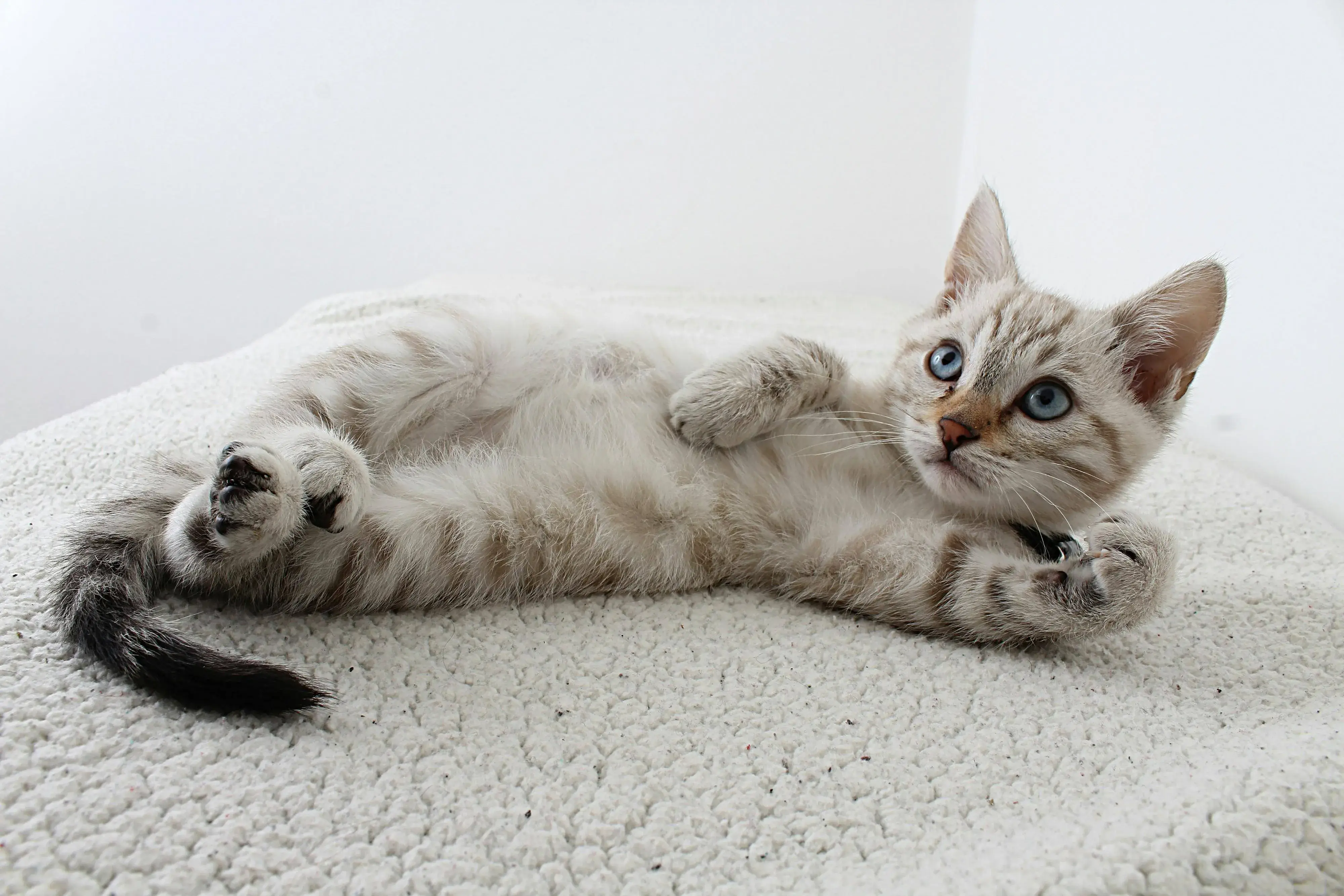
Kittens under 4 months: Should not be left alone for more than 2–4 hours. Very young kittens need frequent feeding, have limited bladder control, and are at risk of accidents and distress in ways adult cats are not. Kittens 4–6 months: Up to 4–6 hours with preparation. Still developing, benefit strongly from company or midday visits. Adult cats (1–10 years): Most healthy adults can comfortably manage an 8–10 hour work day with appropriate preparation. 24 hours is near the upper limit for the most tolerant individuals — not a comfortable norm. Senior cats (10+ years): May have medical conditions requiring more frequent monitoring and medication. Also more prone to cognitive decline that can increase anxiety during solitude. Daily check-ins become more important with advancing age. Cats with health conditions: Diabetic cats, cats on daily medication, and cats with chronic illness should not be left for extended periods without a responsible person checking on them.
What a Work Day Looks Like for Your Cat
During a standard 8–10 hour work day, most adult cats manage adequately, particularly those accustomed to the routine. However, "managing" and "thriving" are different things. A cat left alone all day with nothing to do beyond sleeping is missing significant enrichment. Without interactive play, social engagement, and environmental stimulation, indoor cats can become chronically under-stimulated — a state associated with obesity, behaviour problems, and reduced welfare quality. The practical implication is not that you cannot work full-time and own a cat, but that the quality of the time you do spend with your cat, the environmental enrichment you provide, and the overall setup of your home all matter more for single-cat households where the owner is absent for long periods.
Signs Your Cat Is Struggling With Solitude
Some cats cope very well with regular solitude; others do not. Signs that your cat may be experiencing stress or under-stimulation during your absences include: overgrooming (excessive licking resulting in thinning coat or bald patches, particularly on the belly); inappropriate elimination — urinating or defecating outside the litter box; excessive vocalisation when you return home; destructive behaviour (scratching beyond their post, knocking things over); significant changes in appetite; and in cats with separation anxiety, distressed behaviour observable on indoor cameras. If you notice any of these, addressing the enrichment, routine, or considering a companion is worth prioritising.
Preparing Your Home for Absences
For regular work-day absences: automatic feeders set to multiple small meals replicate the natural pattern of several small meals per day, prevent food spoilage, and stop the entire day's ration being consumed the moment you leave. A circulating water fountain or multiple large water bowls prevents dehydration and is more appealing to cats than a single still bowl. Clean the litter box before leaving — a soiled box will be avoided and inappropriate elimination will follow. Provide window perches, cat trees, and bird feeders visible from inside to provide passive stimulation during your absence. Rotate interactive toys regularly so they do not become boring. Leave the radio or television on at low volume — ambient sound reduces the contrast between your presence and absence.
Extended Absences: Overnights and Multi-Day Trips
For absences of 24–48 hours, thorough preparation as above is the minimum. For multi-day absences, a reliable person checking in at least daily is essential — not just for food and water, but to monitor the cat's health and clean the litter box. Automatic feeders and water fountains can fail. Cats can become ill. The practical options for multi-day absences are: a trusted person visiting daily (ideally twice daily); a cat sitter staying in the home; or professional cattery boarding. Most cats fare better in their own home with a regular visitor than in a cattery environment, but individual temperament varies. Boarding catteries with good welfare standards are perfectly appropriate for cats that cope well with new environments.
Frequently Asked Questions
Can cats be left alone for 24 hours?
A healthy adult cat can tolerate 24 hours with thorough preparation, but it is near the upper comfortable limit, not a recommended norm. A daily check-in is strongly preferable.
What happens if a cat is left alone too long?
Stress responses including overgrooming, inappropriate elimination, and behavioural changes. Risk of medical issues going undetected. Chronically under-stimulated cats have reduced welfare quality.
Should I get a second cat?
A compatible companion significantly benefits cats left alone regularly. Success depends on careful introduction and compatible temperaments — not all cats want company.
How do I prepare my home for leaving my cat alone?
Automatic feeder, water fountain, clean litter box, window perches, ambient sound, enrichment toys, and no accessible hazards. Your scent on clothing provides comfort.
Can kittens be left alone during the day?
Not under 4 months. From 4–6 months, up to 4–6 hours with preparation. From 6 months, a work day is manageable but benefit significantly from company or midday check-ins.
For more on cat enrichment and wellbeing, see our guide on indoor cat enrichment ideas and the complete cat care guide.
Disclaimer: This article is for educational purposes only. Cats with medical conditions, kittens, or senior cats with health needs should have specific plans in place for any absence beyond a few hours — consult your vet if unsure.
For a full overview of cat health, nutrition, behaviour, and grooming, see the complete cat care guide.

About the Author
Reena Scot Pet Care Expert & Certified Feline SpecialistReena has over a decade of experience in feline health, behaviour, and nutrition. She has worked with animal shelters, veterinary clinics, and cat adoption programmes, helping owners make informed decisions about care, diet, and long-term wellness for their cats.

✓ Veterinary Reviewed
Dr. Ameer Hamza, DVM Companion Animals (Cats, Dogs, Birds, Fish) Manj Pets & Veterinary Clinic — Lahore, PakistanDr. Ameer Hamza is a Lahore-based veterinarian practising at Manj Pets & Veterinary Clinic. He specialises in companion animal care including preventive health, nutrition, and clinical treatment for cats and dogs.
LinkedIn ProfileReviewed for medical accuracy — not a substitute for professional veterinary advice. Learn about our review process.