
Himalayan Cat Breed Guide: Personality, Care and Health
Reviewed by Dr. Ameer Hamza, DVM
The Himalayan cat is one of the most visually striking and temperamentally gentle breeds you can bring into your home. Combining the luxurious long coat and placid nature of the Persian with the vivid colourpoint markings and sapphire-blue eyes of the Siamese, the Himalayan offers something truly special for cat lovers who want both beauty and calm companionship. If you are thinking about welcoming one of these stunning cats into your life, this guide covers everything you need to know — from their origins and personality to their grooming demands and health vulnerabilities.
What Is a Himalayan Cat?
The Himalayan cat — often affectionately called the "Himmy" — is a breed developed through deliberate crossbreeding between the Persian and the Siamese. The goal was simple: breeders wanted to produce a cat with the Siamese's distinctive colourpoint pattern and vivid blue eyes, but wrapped in the longer, silkier coat and calmer temperament of the Persian. Early experimental breeding began in the 1930s in both the United States and the United Kingdom, but it was not until the 1950s that the Himalayan began to be recognised as a consistent, reproducible breed type.
In the United States, the Cat Fanciers' Association (CFA) originally granted the Himalayan its own breed status, but later reclassified it as a colour division of the Persian breed. The International Cat Association (TICA) treats it similarly. In the United Kingdom and under the Governing Council of the Cat Fancy (GCCF), the Himalayan is known as the Colourpoint Persian, and it is firmly categorised within the Persian breed group rather than standing alone. This difference in classification can cause some confusion for new owners researching the breed, but in practice the cats themselves are virtually identical across these designations — they all share the same Persian body type, the same colourpoint coat, and the same characteristic flat face.
The name "Himalayan" was inspired by the colour pattern found in Himalayan rabbits and some other animals, where a pale body contrasts with darker colouring on the extremities — the face, ears, legs, and tail. This pattern is the result of a temperature-sensitive enzyme that causes pigment to develop only in the cooler parts of the body. It is the same genetic mechanism seen in Siamese cats, which is why the two breeds share such a similar appearance in terms of colour distribution.
Himalayan Cat Personality and Temperament
If you are looking for a calm, affectionate, and gentle companion, the Himalayan is difficult to beat. These cats have inherited the best temperamental qualities of both parent breeds — the warm, loving nature of the Persian and the social curiosity of the Siamese — while toning down some of the more demanding traits of each. The result is a cat that genuinely enjoys human company but is not clingy or overly vocal about it.
Himalayans are classic lap cats. They are happiest when they are close to their owners, whether that means settling into a lap during an evening film, following you from room to room at a quiet distance, or simply sleeping nearby on a favourite cushion. They are not typically the type of cat to race around the house, knock things off shelves, or demand boisterous play sessions — although they do enjoy gentle interactive play and will engage enthusiastically with wand toys and puzzle feeders when the mood strikes.
Unlike their Siamese relatives, Himalayans are not known for being loud or persistently vocal. They communicate, but they do so with soft chirps and quiet meows rather than the penetrating yowls associated with the Siamese. This makes them an excellent choice for apartment living or for households where a quieter companion is preferred. They are also typically good with children who are taught to handle them gently, and they can adapt well to homes with other calm pets. However, they are sensitive to noise and disruption, and they tend to thrive best in a peaceful, predictable environment.
Himalayans are exclusively indoor cats. Their long coat, flat face, and calm temperament make them poorly suited to outdoor life — they lack the speed, instinctive caution, and physical resilience that help other breeds navigate outdoor hazards. Keeping your Himalayan strictly indoors also protects them from respiratory infections, parasites, and weather extremes that could seriously compromise their health.
Himalayan Cat Appearance
The Himalayan is a large to medium-sized cat with a distinctly rounded, cobby body — meaning they are broad, low-slung, and heavily boned, with short legs and a wide chest. Despite looking somewhat compact, these cats carry real weight, and a healthy adult Himalayan can tip the scales at anywhere between 7 and 12 pounds, with males typically on the larger end of that range.
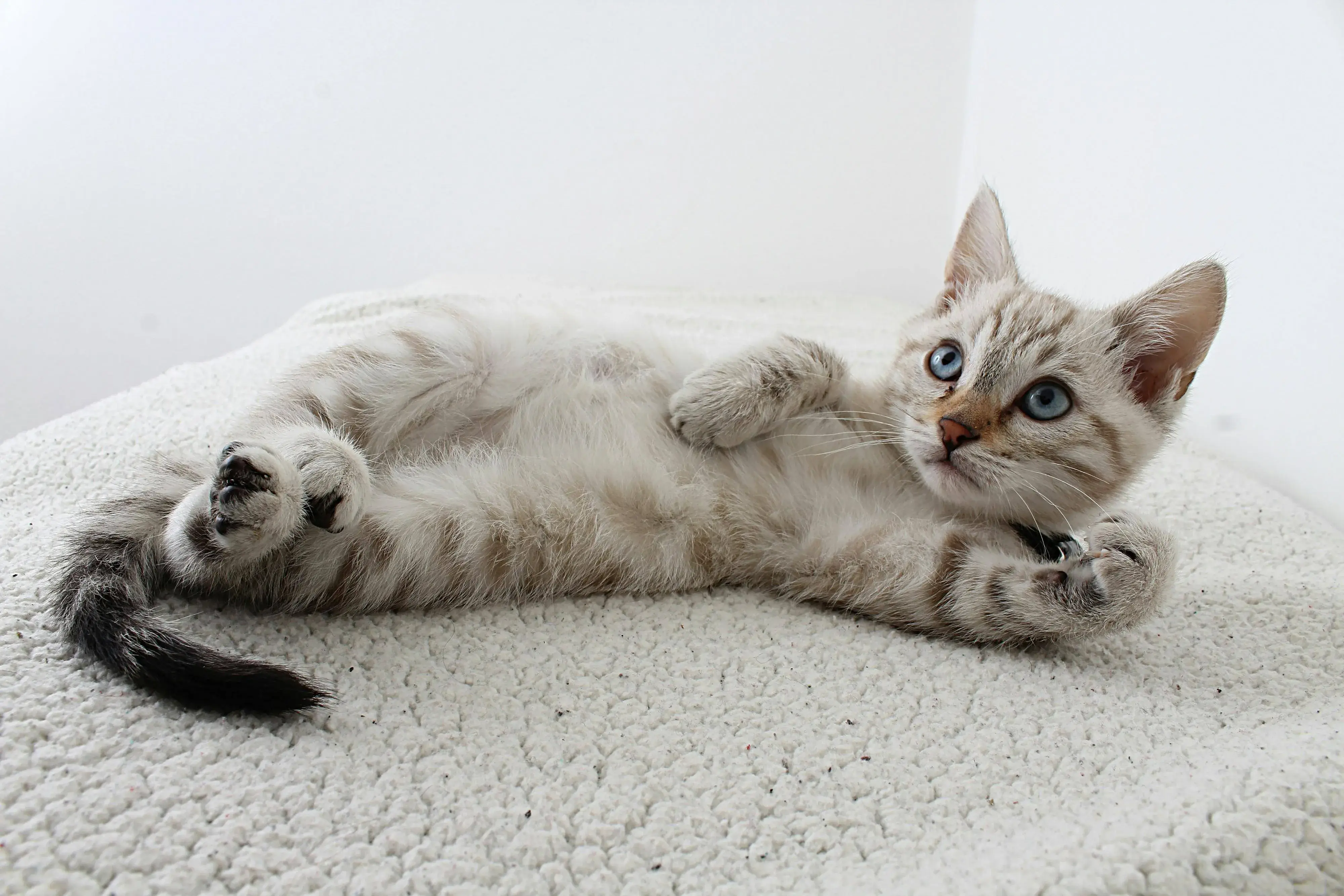
The coat is the breed's most arresting feature. It is long, thick, and silky, forming a full ruff around the neck and a plumed tail that rivals that of any show cat. The colourpoint pattern means the body is always pale — creamy white, ivory, or warm buff — while the points (face mask, ears, paws, and tail) display a contrasting darker colour. Recognised point colours include seal, blue, chocolate, lilac, flame (red), cream, tortoiseshell, and various tabby or lynx point patterns. The combination of colours makes each Himalayan uniquely beautiful.
The eyes are always a deep, vivid blue — one of the most striking features of the breed. The face is flat, with a pushed-in nose, round skull, and small ears set wide apart. This brachycephalic facial structure is what gives the Himalayan its distinctive, almost doll-like expression, but it is also the source of several health challenges that prospective owners need to understand before bringing one home. The nose leather and paw pads complement the point colour, and the overall impression is of a cat that is both regal and approachable.
Grooming Requirements
Owning a Himalayan cat is a serious grooming commitment, and anyone who is not prepared to invest daily time in coat care should think carefully before choosing this breed. The long, double-layered coat does not self-maintain the way a short-haired cat's coat does — it tangles, mats, and accumulates debris at a rate that makes daily brushing not optional but essential.
The ideal tool for a Himalayan's coat is a wide-toothed metal comb or a high-quality slicker brush. You should work through the coat methodically every day, paying particular attention to the areas behind the ears, under the armpits, and along the belly, where mats tend to form first. If a mat is allowed to tighten against the skin, it can become painful and may need to be carefully cut out — or, in severe cases, the cat may need to be sedated for a professional groomer to address the situation. Starting a daily grooming routine from kittenhood makes the process far easier, as cats who grow up being handled and brushed regularly accept grooming as a normal part of life.
In addition to daily brushing, many Himalayan owners schedule professional grooming appointments every four to six weeks. A professional groomer can perform a sanitary clip around the hindquarters to keep the coat clean, trim around the paw pads, and give the cat a bath if needed. Bathing a Himalayan every few weeks helps keep the coat fresh and reduces the build-up of oils that can cause the fur to look dull or feel greasy.
The flat face requires its own daily care routine. Because Himalayans often have shallow tear ducts, they are prone to excessive tearing and eye discharge, which can stain the fur beneath the eyes and create a moist environment where bacteria and yeast thrive. Wiping the eye area gently with a damp cloth or a specially formulated pet eye wipe every day is an important part of keeping your Himalayan comfortable and preventing skin infections in those facial folds. Nails should be trimmed every two to three weeks, and teeth should be brushed regularly to reduce the risk of dental disease.
Common Health Problems
The Himalayan's beauty comes with a set of health vulnerabilities that owners must be aware of. Many of these are directly linked to the breed's brachycephalic (flat-faced) anatomy and its genetic heritage from the Persian bloodline.
Polycystic kidney disease (PKD) is the most serious heritable condition in the Himalayan breed. This autosomal dominant genetic disorder causes fluid-filled cysts to develop in the kidneys, gradually replacing functional kidney tissue and leading to chronic kidney disease and eventually kidney failure. The gene responsible has been identified, and a DNA test is available. Reputable breeders screen their breeding cats and should be able to provide documentation showing their cats are PKD-negative. If you are purchasing a Himalayan kitten, always ask for proof of PKD testing.
Brachycephalic obstructive airway syndrome (BOAS) is another significant concern. The flat face that makes Himalayans so visually appealing comes with a set of anatomical constraints — narrow nostrils, an elongated soft palate, and a compressed nasal passage — that can make breathing laboured, especially during exercise, in warm weather, or under stress. Affected cats may snore loudly, breathe noisily, and tire easily. In severe cases, surgical intervention can improve airflow and quality of life, so any signs of significant respiratory difficulty should be discussed with a veterinarian promptly.
Dental disease is common in brachycephalic breeds because the shortened jaw causes the teeth to crowd together, making thorough cleaning difficult. Regular home dental care and professional dental cleanings under anaesthesia are important preventive measures. Eye conditions including epiphora (overflow of tears), entropion (inward rolling of the eyelids), and secondary corneal ulceration are also more prevalent in Himalayans than in many other breeds, so regular eye examinations are advisable. Himalayans can also be prone to ringworm, which spreads easily through their dense coat.
Feeding and Diet Recommendations
A balanced, high-quality diet is one of the most important investments you can make in your Himalayan cat's long-term health. These cats are not particularly high-energy, but they still require a diet that is rich in animal protein, appropriately low in carbohydrates, and formulated to support kidney health — particularly given the breed's elevated risk of PKD and chronic kidney disease.
Both wet and dry food can form part of a Himalayan's diet, but many veterinarians and feline nutritionists recommend prioritising wet food because of its higher moisture content. Cats are not naturally inclined to drink large amounts of water, and adequate hydration supports kidney function significantly. A diet that incorporates wet food helps maintain urinary tract health and reduces the concentration of waste products that the kidneys must process. If you feed a dry diet, ensure fresh water is always available and consider using a cat water fountain, which many cats find more appealing than a static bowl.
Portion control is important for Himalayans because their relatively sedentary lifestyle puts them at risk of weight gain. Obesity places additional strain on an already-challenged respiratory system and increases the risk of diabetes and joint problems. Follow the feeding guidelines on your chosen food, adjust based on your cat's body condition score, and discuss caloric targets with your vet at annual check-ups. Avoid feeding human food, particularly anything high in sodium, onions, garlic, or other ingredients toxic to cats. Treats should be given sparingly and should not exceed 10 percent of total daily caloric intake.
Is a Himalayan Cat Right for You?
The Himalayan is an extraordinary cat, but it is not the right fit for every household. Before making a commitment, it is worth honestly assessing whether your lifestyle, schedule, and expectations align with what this breed genuinely needs.
If you are someone who enjoys a close, quiet relationship with a pet — a cat who will settle with you in the evenings, greet you gently when you come home, and simply be present in the warmth of domestic life — the Himalayan is a superb match. They ask for your time and your attention, but they give back warmth and loyalty in equal measure. They are well-suited to retirees, work-from-home professionals, and families with older children who understand the importance of gentle handling.
On the other hand, if you lead a very busy lifestyle with long hours away from home, or if the idea of daily grooming sessions feels burdensome rather than enjoyable, the Himalayan may not be the best choice. These cats can develop anxiety if left alone for extended periods, and a neglected coat becomes a welfare issue rather quickly. They also require a financial commitment to veterinary care that goes beyond the average cat — between regular dental cleanings, potential management of PKD or respiratory conditions, and professional grooming, the annual costs of caring for a Himalayan can be substantial.
Adopting from a reputable breeder who screens for PKD and prioritises health over extreme facial flatness is strongly advisable. If you are open to adoption, Himalayan rescue organisations sometimes have adult cats available who need a second chance at a loving indoor home.
Lifespan and What to Expect
Himalayan cats typically live between 9 and 15 years, though cats who receive excellent care, a nutritious diet, and regular veterinary attention can sometimes exceed this range. The breed's lifespan is somewhat shorter on average than some other domestic cat breeds, largely due to the health complications associated with brachycephaly and the risk of kidney disease.
In their younger years, Himalayans are playful and curious, though never boisterous. As they mature into adulthood they settle into a calm, predictable routine that most owners find deeply companionable. Senior Himalayans — those aged ten and above — require additional monitoring for kidney disease, dental disease, and weight changes, and twice-yearly veterinary visits become more important than the standard annual check-up.
With the right environment, consistent grooming, proactive health management, and a genuine understanding of the breed's needs, a Himalayan cat will reward you with years of quiet, devoted companionship. They are not a low-maintenance pet, but for those willing to meet their needs, they are one of the most beautiful and loving breeds in the feline world.
Frequently Asked Questions
Are Himalayan cats friendly?
Yes, Himalayan cats are known for being exceptionally gentle, affectionate, and friendly. They tend to form deep bonds with their owners and enjoy being in the same room as their family, often seeking out laps and quiet companionship. While they are not overly demanding or vocal, they do appreciate attention and thrive in calm, loving households where they feel secure and valued.
How much grooming does a Himalayan cat need?
Himalayan cats require daily grooming due to their long, dense double coat that tangles and mats very easily. A wide-toothed comb or slicker brush should be used every single day to prevent painful matting, and many owners also schedule professional grooming sessions every four to six weeks. In addition to coat care, Himalayans need their facial folds and eye area wiped regularly to prevent tear staining and skin irritation caused by their flat facial structure.
What health problems do Himalayan cats have?
Himalayan cats are prone to several health conditions linked to their brachycephalic (flat-faced) anatomy and their Persian heritage. The most serious inherited condition is polycystic kidney disease (PKD), a genetic disorder that causes cysts to develop in the kidneys and can eventually lead to kidney failure. They are also susceptible to upper respiratory problems, dental overcrowding, breathing difficulties, and chronic eye conditions such as epiphora, making regular veterinary check-ups essential for this breed.
Are Himalayan cats hypoallergenic?
No, Himalayan cats are not hypoallergenic. They produce the Fel d 1 protein — the primary allergen responsible for cat allergies in humans — and their long, abundant coats shed significantly, spreading dander and allergens throughout the home. People with cat allergies are likely to experience reactions around Himalayans, so potential owners with known sensitivities should spend time with the breed before committing to adoption.
How long do Himalayan cats live?
Himalayan cats typically live between 9 and 15 years, though many well-cared-for individuals reach their mid-teens. Their lifespan depends heavily on genetics, diet, veterinary care, and whether they are kept as strictly indoor cats, which reduces the risk of injury, infectious disease, and predation. Proactive health screening for PKD, routine dental care, and regular check-ups all contribute meaningfully to a longer, healthier life for this breed.
For more guidance on caring for Persian-type cats, visit our Persian cat breed guide. If you are also considering a Siamese, our Siamese cat breed guide covers that breed in detail. For broader feline health and wellbeing information, the complete cat care guide is a great place to start.
Disclaimer: This article is for educational purposes only. Always consult a licensed veterinarian for your pet's health and medical needs.
For a full overview of cat health, nutrition, behaviour, and care, see the complete cat care guide.

About the Author
Reena Scot Pet Care Expert & Certified Feline SpecialistReena has over a decade of experience in feline health, behaviour, and nutrition. She has worked with animal shelters, veterinary clinics, and cat adoption programmes, helping owners make informed decisions about care, diet, and long-term wellness for their cats.

✓ Veterinary Reviewed
Dr. Ameer Hamza, DVM Companion Animals (Cats, Dogs, Birds, Fish) Manj Pets & Veterinary Clinic — Lahore, PakistanDr. Ameer Hamza is a Lahore-based veterinarian practising at Manj Pets & Veterinary Clinic. He specialises in companion animal care including preventive health, nutrition, and clinical treatment for cats and dogs.
LinkedIn ProfileReviewed for medical accuracy — not a substitute for professional veterinary advice. Learn about our review process.