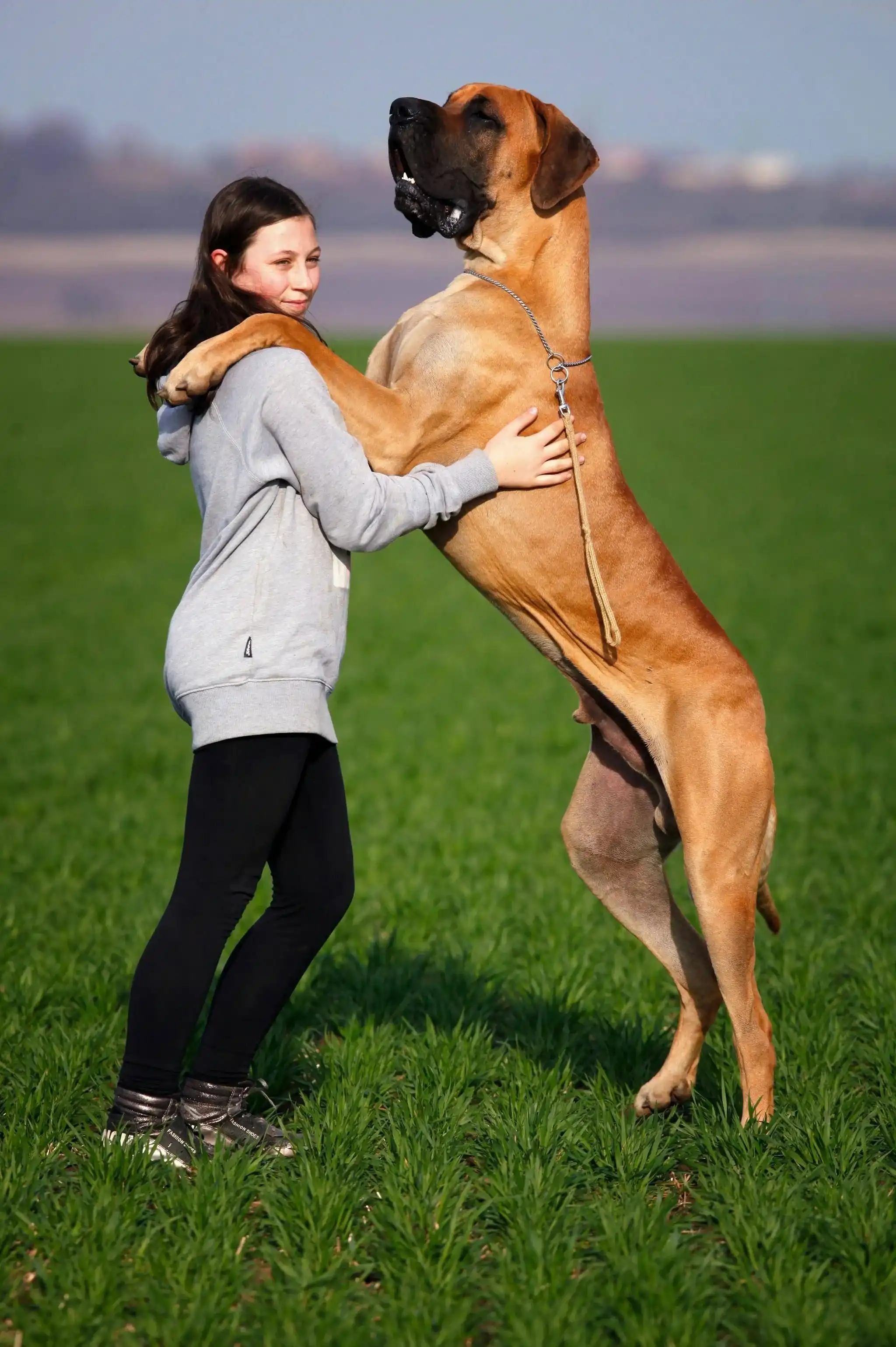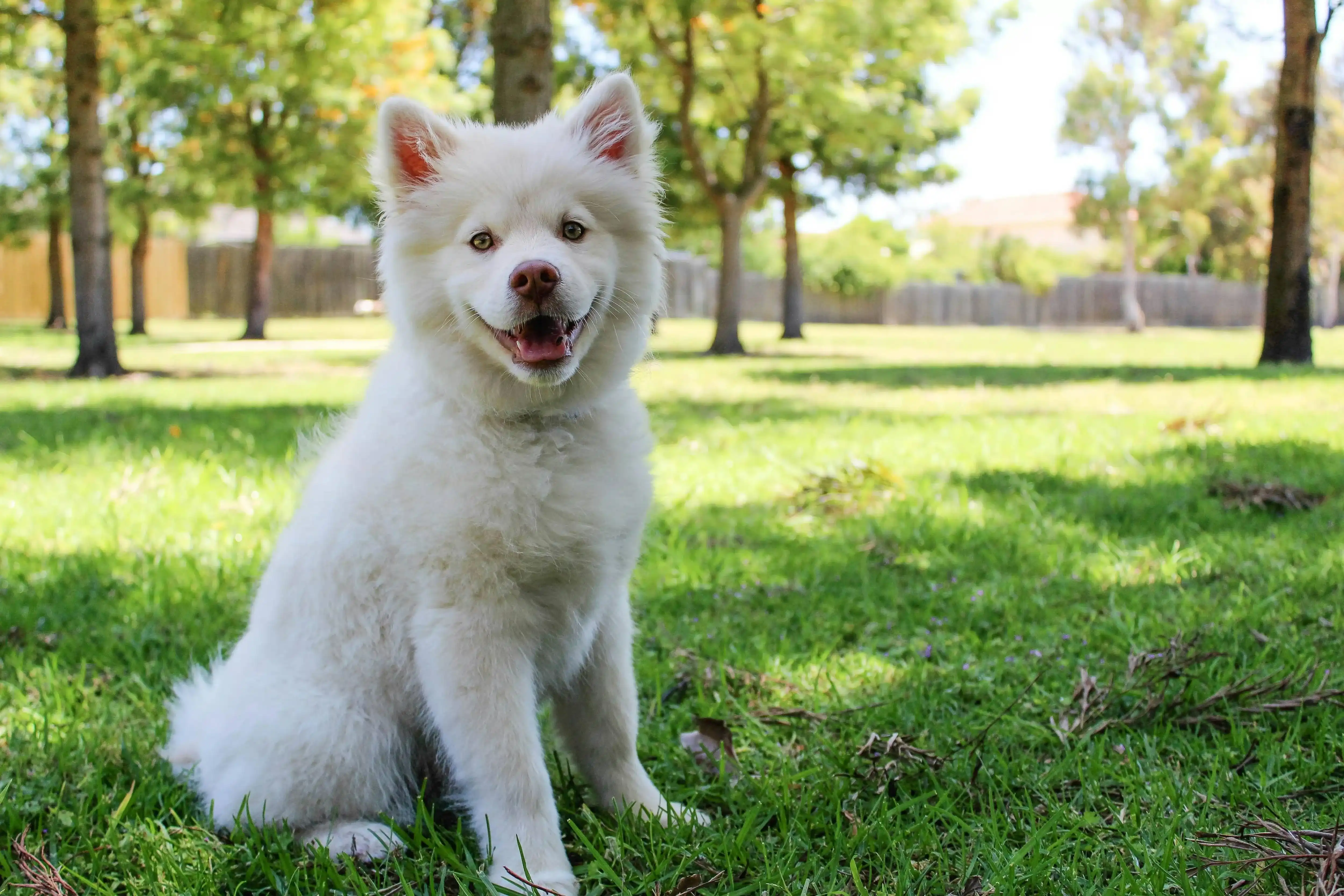

Introduction
Dogs are known for their playful nature and providing them with engaging toys is crucial for their physical and mental well-being. With an overwhelming variety of dog toys available in the market, it can be challenging to determine which ones are the best for your furry friend.
Dogs need toys to stay entertained and mentally stimulated. The right toys can help to reduce boredom, anxiety, and destructive behavior. They can also help to improve your dog’s physical fitness and dental health.
In this article, we have compiled a list of the top 10 best toys for dogs to play with, considering factors such as durability, interactive features, and overall entertainment value. Let’s dive in!
There are many different types of dog toys available, so it’s important to choose the right ones for your individual dog’s needs and personality. Here are 10 of the best toys for dogs:
Here are 10 of the best toys for dogs
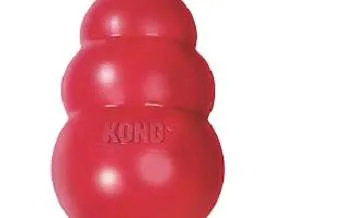
KONG Classic Dog Toy
The KONG Classic is a versatile toy that can be used for a variety of purposes. It’s a great choice for chewers, as it’s made of durable rubber that can withstand even the most aggressive chewing. You can also stuff the KONG with treats or peanut butter to keep your dog entertained for hours.
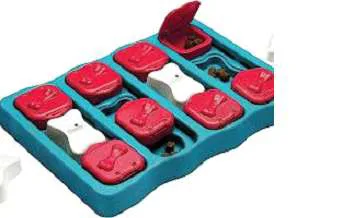
Outward Hound Nina Ottosson Dog Brick Interactive Treat Puzzle
This puzzle toy is a great way to challenge your dog’s mind and keep them entertained for long periods of time. The Dog Brick has a series of compartments that can be filled with treats or kibble. Your dog will have to figure out how to open the compartments to get to the treats, which helps to stimulate their brain and problem-solving skills.
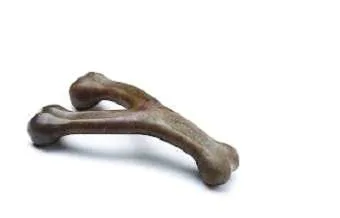
Benebone Wishbone Dog Chew Toy
This chew toy is made of real bacon, so it’s sure to be a hit with your pup. The Benebone Wishbone is durable and long-lasting, and it helps to keep your dog’s teeth clean and healthy.

Goughnuts Indestructible Dog Chew Toy Ring
This chew toy is made of a durable material that is virtually indestructible. It’s a great choice for dogs who are aggressive chewers, and it helps to keep their teeth clean and healthy.
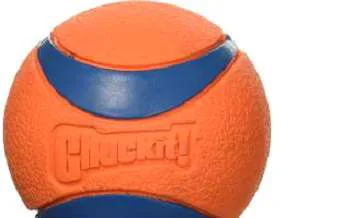
Chuckit! Ultra Ball
This ball is great for fetching, and it’s made of a durable material that can withstand even the most enthusiastic dogs. The Chuckit! Ultra Ball is also water-resistant, so it’s perfect for playing fetch in the park or at the beach.

Rope Toy
Rope toys are a classic choice for dogs, and they’re great for playing tug-of-war or fetch. They’re also a good way to help your dog’s jaw muscles develop.
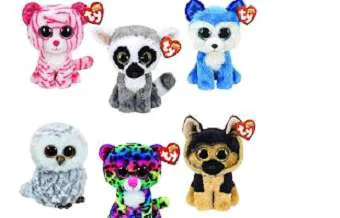
Plush Toy
Plush toys are a great way to cuddle with your dog, and they can also be used for fetch or tug-of-war. Just be sure to choose a plush toy that is made of durable materials, as some dogs may be tempted to chew it up.
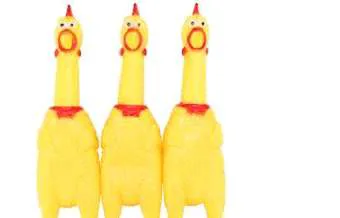
Squeaky Toy
Squeaky toys are a great way to get your dog’s attention, and they can also be used for fetch or tug-of-war. Just be sure to supervise your dog when they are playing with a squeaky toy, as they may be tempted to swallow it.
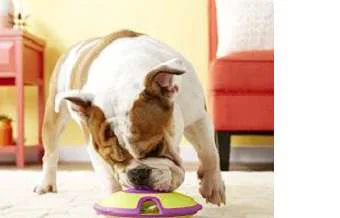
Interactive Dog Toy
Interactive dog toys are a great way to keep your dog entertained and mentally stimulated. These toys often require your dog to solve a puzzle or perform a task in order to get a treat or toy.
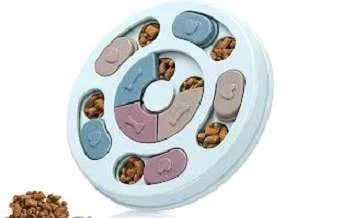
Food Puzzle Toy
Food puzzle toys are a great way to slow down your dog’s eating and to keep them mentally stimulated. These toys often require your dog to work to get to their food, which helps to prevent boredom and overeating.
These are just a few of the many great toys that are available for dogs. When choosing toys for your dog, it’s important to consider their individual needs and personality. Be sure to supervise your dog when they are playing with toys and remove any toys that become damaged or pose a choking hazard.
With so many great toys on the market, you’re sure to find the perfect ones to keep your dog entertained and happy.
1. Kong Classic
The Kong Classic is a timeless favorite among dog owners. Made from durable rubber, this toy is designed to withstand aggressive chewing. Fill it with treats or peanut butter to provide hours of interactive play and mental stimulation.
2. Chuckit! Ultra Ball
Ideal for fetch lovers, the Chuckit! Ultra Ball is made of durable natural rubber and is highly visible, making it easy for your dog to locate. The buoyant design ensures fun in both water and land settings.
3. Outward Hound Hide-A-Squirrel
This interactive plush toy challenges your dog’s problem-solving skills. The Hide-A-Squirrel features a tree trunk and plush squirrels that your pup can search for and remove. It’s an excellent option for dogs who enjoy squeaky toys and need mental stimulation.
4. Kong Wobbler
The Kong Wobbler is a treat-dispensing toy that combines fun and mental enrichment. Made of durable plastic, it wobbles, rolls, and dispenses treats as your dog interacts with it, encouraging active play and slowing down mealtime.
5. Nina Ottosson Dog Brick Puzzle Toy
The Dog Brick Puzzle Toy is a challenging game that keeps your dog entertained and mentally sharp. It features sliding blocks and compartments where you can hide treats, rewarding your pup’s problem-solving abilities.
6. West Paw Zogoflex Hurley Dog Bone
If your dog loves to chew, the Zogoflex Hurley Dog Bone is an excellent choice. Made from tough, non-toxic material, this bone-shaped toy is not only durable but also floats in water, making it perfect for water-loving dogs.
7. Kong Cozie Marvin the Moose
The Kong Cozie is a plush toy that’s perfect for snuggling and gentle play. The minimal stuffing reduces the risk of mess, while the reinforced stitching enhances durability. Marvin the Moose is just one of the many adorable characters available.
8. JW Pet Hol-ee Roller
The Hol-ee Roller is a versatile toy that combines durability and playfulness. Made from natural rubber, its unique design allows you to stuff treats inside, providing a challenging and interactive experience for your furry friend.
9. Trixie Activity Flip Board Strategy Game
The Flip Board Strategy Game is an advanced toy for intelligent dogs. It features various compartments and obstacles that can be opened or moved to reveal hidden treats, providing both physical and mental stimulation.
10. GoughNuts Indestructible Chew Toy
For heavy chewers, the GoughNuts Chew Toy is a great investment. Built with a durable rubber core and a red safety indicator layer, it offers a reliable and long-lasting chewing experience while ensuring safety.
Why do dogs love to play with humans?
Dogs have a natural inclination to play and interact with humans for several reasons. Here are a few key factors that contribute to why dogs love to play with humans:
1. Social Bonding
Dogs are social animals that have evolved alongside humans for thousands of years. They have developed a strong bond with humans, considering them as members of their pack or family. Playing together strengthens this bond and reinforces the emotional connection between dogs and their human companions.
2. Pack Mentality
Dogs have a pack mentality ingrained in their genetic makeup. In the wild, canines engage in social play with their pack members to establish and maintain social hierarchy, build trust, and enhance cooperation. When dogs play with humans, they perceive them as part of their pack, and interactive play helps fulfill their natural social instincts.
3. Physical Stimulation
Dogs have a lot of energy, and play serves as an outlet for their physical needs. Engaging in play activities, such as chasing, fetching, or tug-of-war, allows dogs to expend their energy and stay physically fit. Playing with humans provides them with a dynamic and stimulating experience that they often find more exciting than solo play.
4. Mental Stimulation
Dogs are intelligent creatures that require mental stimulation to prevent boredom and promote overall well-being. Interactive play with humans stimulates their cognitive abilities, problem-solving skills, and learning capacity. Engaging in playtime activities, such as puzzle toys or training games, challenges their minds and keeps them mentally sharp.
5. Attention and Affection
Dogs thrive on human attention and affection. Playing with humans provides dogs with an opportunity to receive undivided attention, praise, and physical touch. This positive reinforcement strengthens the human-dog bond and reinforces positive behavior, making dogs feel loved, valued, and emotionally fulfilled.
6. Emotional Release
Dogs experience emotions similar to humans, including joy, excitement, and happiness. Playtime with humans allows dogs to experience a range of positive emotions, helping to alleviate stress, anxiety, and boredom. It provides an outlet for emotional release and can contribute to their overall emotional well-being.
7. Trust and Security
Playing with humans fosters a sense of trust and security in dogs. Through play, dogs learn to trust their human companions, as they associate playtime with positive experiences, care, and protection. It creates a safe and nurturing environment for dogs, where they can relax, let their guard down, and enjoy the moment.
In summary, dogs love to play with humans due to their innate social nature, the need for physical and mental stimulation, the desire for attention and affection, and the emotional and psychological benefits it provides. Playing together strengthens the bond between dogs and humans, enhances their overall well-being, and brings joy and happiness to both parties involved.
Conclusion
Choosing the right toys for your dog is essential for their overall well-being and happiness. The top 10 toys listed above offer a combination of durability, interactive features, and mental stimulation, catering to a range of play preferences.
Remember to supervise your dog while playing with toys and replace them if they become damaged or worn out. By providing engaging and stimulating toys, you can ensure that your furry friend stays active, entertained, and satisfied.
Important FAQs
Q1. What types of toys are suitable for different dog breeds and sizes?
A. Dog toys come in various shapes, sizes, and materials to cater to different dog breeds and sizes. Smaller breeds may enjoy interactive plush toys or small rubber balls, while larger breeds may prefer durable chew toys or sturdy rope toys. It’s important to consider your dog’s size, breed, and play style when choosing toys to ensure they are safe and appropriate.
Q2. How do I know if a toy is safe for my dog?
A. Safety should always be a priority when selecting dog toys. Look for toys made from non-toxic materials and avoid small parts or loose strings that can be easily swallowed. Additionally, consider the durability of the toy and choose options that can withstand your dog’s chewing habits. Regularly inspect toys for any signs of damage or wear and replace them if necessary.
Q3. Can all dogs play with the same toys?
A. Not all dogs have the same play preferences or strengths. Some dogs may enjoy fetching and retrieving toys, while others may prefer interactive puzzle toys or chewing toys. Additionally, dogs have different energy levels and play styles. It’s essential to consider your dog’s individual preferences and personality when selecting toys to ensure they engage and enjoy playing with them.
Q4. How can I use toys to mentally stimulate my dog?
A. Toys can be a valuable tool for mental stimulation in dogs. Consider puzzle toys that require your dog to figure out how to access treats or toys hidden inside. These toys engage their problem-solving abilities and provide mental exercise. You can also rotate toys regularly to keep your dog’s interest and introduce new challenges or play games like hide-and-seek to provide mental stimulation.
Q5. Can I leave my dog alone with toys?
A. While certain toys are designed for solo play, it’s crucial to supervise your dog when introducing new toys or leaving them alone with toys for the first time. Observe their behavior and ensure they are playing safely without any potential hazards. Some dogs may be prone to destructive chewing, so it’s important to choose toys that are appropriate for their chewing habits and monitor their playtime to prevent accidents or ingestion of toy parts.
Q6. How often should I rotate my dog’s toys?
A. Rotating your dog’s toys is a great way to keep them engaged and prevent boredom. Aim to rotate their toys every few days or weekly, depending on their interest level. By rotating toys, you can provide a fresh and exciting experience for your dog, as they’ll encounter different textures, shapes, and functionalities. It also helps extend the lifespan of the toys by reducing constant wear and tear.
Why Mental Stimulation Matters for Dogs
Most dog owners understand that their pet needs regular physical exercise, but mental stimulation is just as important and is often overlooked. Dogs are intelligent animals that were originally bred to perform complex tasks — herding, hunting, tracking, retrieving — and their brains are wired to solve problems and stay actively engaged. When that need goes unmet, dogs often develop behavioral problems that are actually symptoms of boredom and frustration.
Common signs of insufficient mental stimulation include destructive chewing, excessive barking, digging, hyperactivity, and attention-seeking behaviors. Many owners mistake these for disobedience when they are really a dog’s way of coping with understimulation. The good news is that interactive toys are one of the most effective and enjoyable ways to address this need without requiring you to become a professional dog trainer.
Research in animal behavior has shown that dogs who receive regular cognitive enrichment are calmer, more confident, and better behaved overall. A ten-minute session with a challenging puzzle toy can tire a dog out as effectively as a 20-minute walk. For high-energy breeds, combining both physical and mental exercise produces the best results. Even senior dogs benefit greatly from mental enrichment, as cognitive activity helps slow age-related mental decline and keeps older dogs sharp and engaged.
Types of Interactive Toys and Their Benefits
Interactive toys come in many forms, each offering a slightly different kind of engagement. Understanding the categories will help you choose toys that genuinely suit your dog’s personality and needs.
- Puzzle feeders and treat-dispensing toys: These are toys that require the dog to manipulate parts of the toy to release food. KONG-style rubber stuffable toys, rolling treat dispensers, and sliding-compartment puzzle boards all fall into this category. They slow down fast eaters, reduce meal-time anxiety, and provide lasting engagement. Difficulty levels range from beginner (one simple motion) to advanced (multiple steps in sequence).
- Scent and nose work toys: Hide-a-squirrel plush sets, snuffle mats, and licki mats all engage a dog’s powerful sense of smell. Sniffing is extraordinarily tiring for dogs because it activates large areas of the brain. Even short five-minute snuffle mat sessions can leave an anxious dog noticeably calmer.
- Tug and fetch toys: These are interactive in a different sense — they require human participation. Quality tug toys and long-lasting fetch balls build drive, reinforce recall, and create positive associations with you as a source of fun. They are particularly valuable for training because the toy itself becomes a high-value reward.
- Chew toys with enrichment features: Toys like the Benebone or multi-texture chews satisfy the natural chewing instinct while occupying the mind. Chewing releases endorphins and is naturally calming for many dogs, making these toys especially useful during stressful events like fireworks or vet visits.
Rotating Toys to Keep Dogs Engaged
One of the simplest and most effective strategies for keeping your dog interested in their toys is regular rotation. Dogs are curious creatures, but novelty wears off quickly — a toy that received enthusiastic attention on Monday may be completely ignored by Friday. Rotating your dog’s toy collection solves this problem elegantly and at no extra cost.
The basic principle is straightforward: divide your dog’s toys into two or three groups, and only make one group available at a time. After a few days, swap the active group for one of the stored groups. Because the dog hasn’t seen those toys recently, they are perceived as new and exciting again. This approach effectively multiplies the value of your toy collection and keeps your dog consistently engaged.
Toy rotation also gives you a chance to inspect each toy for wear and damage before it goes back into circulation. Ripped seams, broken plastic parts, and deflated squeakers can all become choking hazards. Removing damaged toys promptly is an important safety step that rotation makes easy to build into a routine.
For particularly special toys — the ones your dog goes absolutely wild for — consider reserving them exclusively for training sessions or high-value play time with you. This keeps those toys exciting and reinforces their status as a special reward rather than just another item on the floor.
Frequently Asked Questions
Q1. At what age can puppies start using interactive toys?
Puppies can start engaging with simple interactive toys as early as eight weeks old. At this age, easy-level toys such as soft stuffable rubber toys or basic snuffle mats are appropriate. The key is to match the difficulty to the puppy’s age and experience: too easy and they lose interest quickly; too hard and they become frustrated and give up entirely. As the puppy grows and gains confidence, you can introduce progressively more challenging puzzles. Interactive play with toys is also a wonderful bonding activity between a puppy and their new family, so starting early sets a great foundation for years of enriching play.
Q2. My dog destroys every toy I buy. Are there truly indestructible options?
No toy is genuinely indestructible for every dog, but several brands are specifically engineered for powerful, persistent chewers. GoughNuts, West Paw Zogoflex, and Kong Extreme are among the most durable options on the market and are made from materials that resist even very aggressive chewing. The key is to match the toy to your dog’s chew level — most quality brands categorize their products by chew intensity. Always supervise a determined chewer with any new toy, especially for the first few sessions, and discard any toy once it shows signs of significant breakdown to prevent accidental ingestion of fragments.
Q3. How long should interactive play sessions last?
For most dogs, two to three interactive play or puzzle sessions per day of around five to fifteen minutes each is a good target. The right duration depends on your dog’s age, energy level, and the difficulty of the toy. Puppies and senior dogs tire more quickly and benefit from shorter, more frequent sessions. High-energy working breeds may need longer or more challenging engagement. A good rule of thumb is to end the session while your dog is still interested and engaged rather than waiting until they walk away on their own — this leaves them wanting more and makes the next session even more exciting.
Related Topics
Nylabone Durable Chew Dog Toys: A Canine Companion’s Dream
Top 10 Amazing Chuckit Launcher Toys for Dogs: Unleash the Fun!
Top 10 Amazing and Interactive Toys for Dogs to Play With
Creating a Pet-Friendly Oasis: Artificial Grass Dog Litter Spaces for Dogs
Embracing Eco-Friendly Living: Wood Pellet Dog Litter and Innovative Litter Boxes
Top 10 Dog Litter and Litter Boxes: A Perfect Guide for Pet Parents
Top 10 Companies to Provide the Best Raw Dog Food
Unveiling the Top 10 Wet Dog Food (Canned) Companies for Your Furry Friend Palate
Top 10 Best Dog Foods and Treats to Improve Their Health
Top 10 Dog Conditioner Grooming Supplies: Pampering Your Pooch with Purrfection
Luxurious Locks: Top 10 Dog Conditioner Grooming Products for Healthy and Happy Pups
Top 10 Dog Grooming Products for a Happy and Healthy Pup
Top 10 Grooming Products for Your Dogs: Keeping Your Four-Legged Friends Looking Pawsome!
Dog Joint (Top 10) Supplements Health and Wellness Products
Top 10 Dog Health and Wellness Products for a Happy and Healthy Pup
Top 10 Front-Clip Harnesses for Dogs: A Must-have for Pet Owners
Dog Harnesses (Top 10 ) for Comfortable and Safe Walking
Top 10 Orthopedic Dog Beds for Your Beloved Canine Companion
Top 10 Standard Beds for Dogs: Comfort, Support, and Style for Your Furry Friend
Dog Treat Pouches (Top 10 ) for Training and Convenience
Top 10 Dog Training Tools Every Dog Owner Should Know About
A Fresh Breath of Health: Exploring Top 10 Dog Toothpaste Dental Care Products
Unveiling the Smile Savers: A Deep Dive into Dog Dental Care Products