
Abyssinian Cat Breed Guide: Personality, Care and Health
Reviewed by Dr. Ameer Hamza, DVM
The Abyssinian is one of the oldest recognised cat breeds and one of the most distinctive in personality. Lean, athletic, and seemingly in perpetual motion, Abyssinians are not the cat for owners who want a peaceful, independent companion that mostly sleeps. They are interactive, inquisitive, and highly engaged with their environment and their people. This guide covers everything you need to know about caring for an Abyssinian — their personality, enrichment needs, health considerations, and whether they are the right match for your lifestyle.
Origins and Appearance
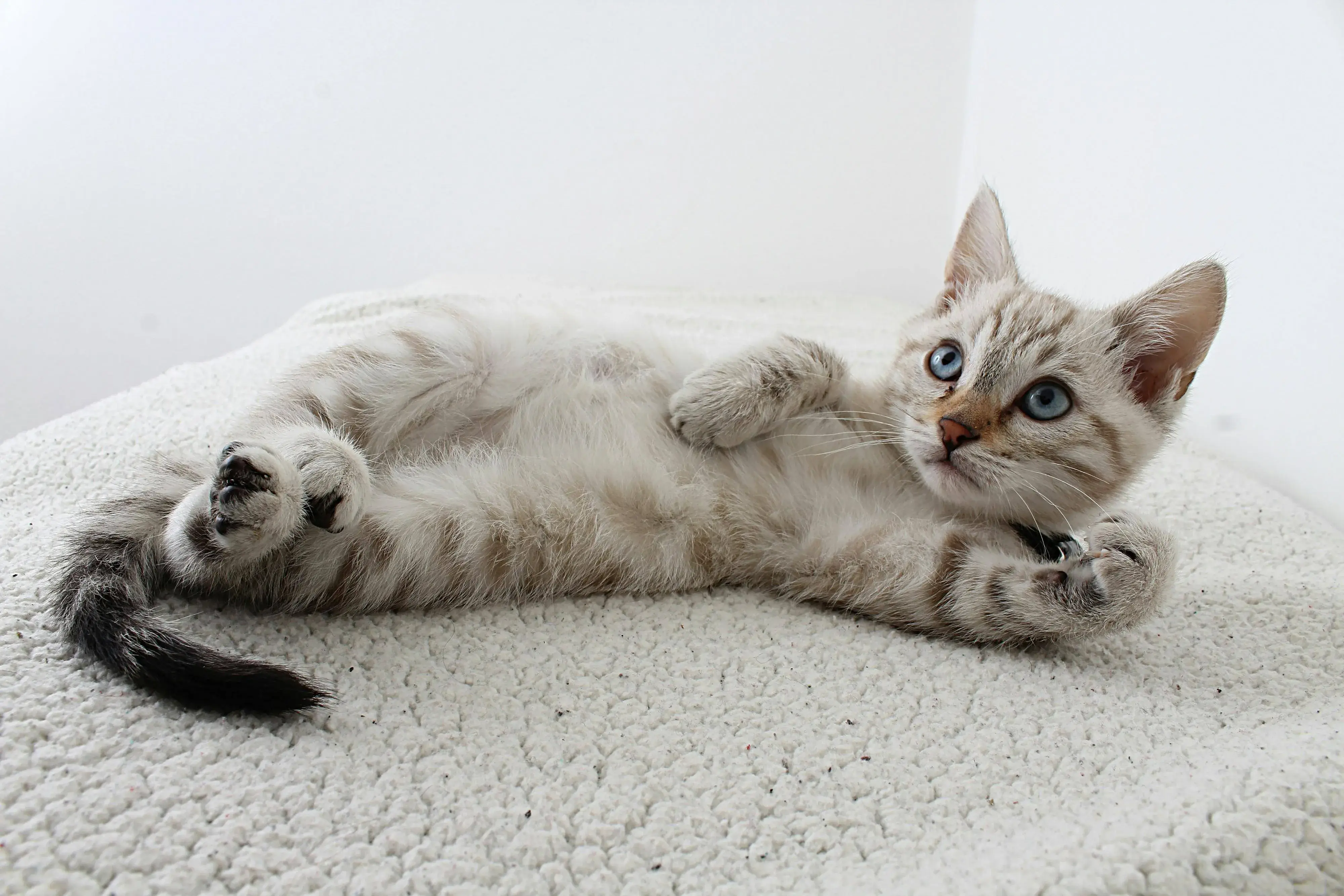
The exact origins of the Abyssinian are debated, but genetic studies suggest the breed originates from the coast of the Indian Ocean, with British soldiers possibly bringing cats back from Ethiopia (formerly Abyssinia) in the 19th century. They are among the most ancient pedigreed breeds with a consistently documented history in cat shows from the late 1800s. Their most distinctive physical feature is the ticked or agouti coat — each individual hair has multiple bands of colour, producing a wild-type appearance reminiscent of a small wildcat rather than a domestic cat. The coat is short, dense, and fine-textured. The most common colour is ruddy (warm burnt-orange with darker ticking), though sorrel (cinnamon), blue, and fawn variations exist. They have a medium-sized, muscular body, large ears set wide apart, almond-shaped eyes in gold or green, and a distinctively alert, attentive facial expression.
Personality and Temperament
Abyssinians are curious, active, and intelligent — three words that appear in every breed description for good reason. They are almost incapable of sitting still and view every element of their environment as worthy of investigation. Cupboard doors, bags, boxes, running taps, open windows — all receive attention. They follow their people from room to room and watch activities with obvious engagement. They are social cats that form strong bonds with their owners but express affection differently from the typical lap cat — they want to be present and involved, not stationary and cradled. Many Abyssinians enjoy being perched on a shoulder or lying nearby while their person works, but extended passive lap-sitting is not typical.
They are vocal but not loud or demanding in the way of Oriental breeds. Their chirping and trilling sounds are communicative and charming rather than incessant. They can be trained to perform simple tasks and games through positive reinforcement, which also provides mental enrichment. They are generally sociable with respectful older children but may be too boisterous for very young children or too active for elderly cats.
Enrichment and Exercise
Of all domestic cat breeds, Abyssinians are among the highest in both energy level and environmental enrichment requirements. An under-stimulated Abyssinian is a problem Abyssinian — destructive behaviour, excessive vocalisation, and stress-related conditions are common consequences. The minimum provision for an Abyssinian should include: a large cat tree with multiple elevated platforms; wall-mounted climbing shelves that allow a circuit route around a room; two interactive play sessions daily of at least 15–20 minutes each; puzzle feeders and hunting feeding toys to provide mental stimulation at mealtimes; regular rotation of toys to maintain novelty; window perches with outside views; and ideally a second cat of similar energy for daily social play. They are not suitable for apartment living without significant enrichment investment and a very committed owner.
Health Considerations
Several hereditary health conditions are associated with the breed. Progressive retinal atrophy (PRA) — a degenerative retinal disease causing progressive vision loss — is well documented in Abyssinians. A DNA test is available. Responsible breeders test breeding cats and will provide written documentation. Pyruvate kinase deficiency (PKDef) is an inherited red blood cell enzyme deficiency causing haemolytic anaemia. DNA testing is available; breeders should test and provide documentation. Periodontal disease occurs at higher rates in Abyssinians than in many other breeds — regular tooth brushing, dental treats, and annual professional dental checks are particularly important. Renal amyloidosis has been reported and is being reduced through selective breeding. Always purchase from a responsible breeder who tests for the above conditions and can provide paperwork.
Grooming and Care
The Abyssinian's short, ticked coat is one of the lowest-maintenance of any pedigreed breed. It requires minimal brushing — weekly with a soft bristle brush or rubber grooming mitt is sufficient. They shed but not excessively. Dental care (tooth brushing or dental hygiene products) is particularly important given their periodontal disease tendency. Annual veterinary wellness checks including dental assessment are recommended. Eye and ear cleaning as needed with a clean, damp cloth.
Frequently Asked Questions
What is the Abyssinian's personality like?
Highly active, curious, intelligent, and people-oriented. They engage with everything in their environment and prefer to be near their people — but on their own terms rather than as a lap cat.
What health problems are they prone to?
Progressive retinal atrophy (PRA), pyruvate kinase deficiency (PKDef), and periodontal disease. Buy only from breeders who DNA test for PRA and PKDef.
Are they good for first-time owners?
Better suited to experienced owners prepared for high-activity, high-engagement cat ownership. Under-stimulated Abyssinians develop behavioural problems.
Do they get along with other pets?
Generally well with other active cats and dogs. May be too boisterous for quiet or senior cats. High prey drive — caution with small pets.
How much exercise do they need?
Two interactive play sessions daily of 15–20 minutes minimum, plus extensive environmental enrichment. Among the highest enrichment-need cat breeds.
For more cat breed guides, see our best cat breeds for families and the complete cat care guide.
Disclaimer: This article is for educational purposes only. Individual cats vary within breeds — meet the specific cat before adopting and verify breeder health testing documentation.
For a full overview of cat health, nutrition, behaviour, and grooming, see the complete cat care guide.

About the Author
Reena Scot Pet Care Expert & Certified Feline SpecialistReena has over a decade of experience in feline health, behaviour, and nutrition. She has worked with animal shelters, veterinary clinics, and cat adoption programmes, helping owners make informed decisions about care, diet, and long-term wellness for their cats.

✓ Veterinary Reviewed
Dr. Ameer Hamza, DVM Companion Animals (Cats, Dogs, Birds, Fish) Manj Pets & Veterinary Clinic — Lahore, PakistanDr. Ameer Hamza is a Lahore-based veterinarian practising at Manj Pets & Veterinary Clinic. He specialises in companion animal care including preventive health, nutrition, and clinical treatment for cats and dogs.
LinkedIn ProfileReviewed for medical accuracy — not a substitute for professional veterinary advice. Learn about our review process.