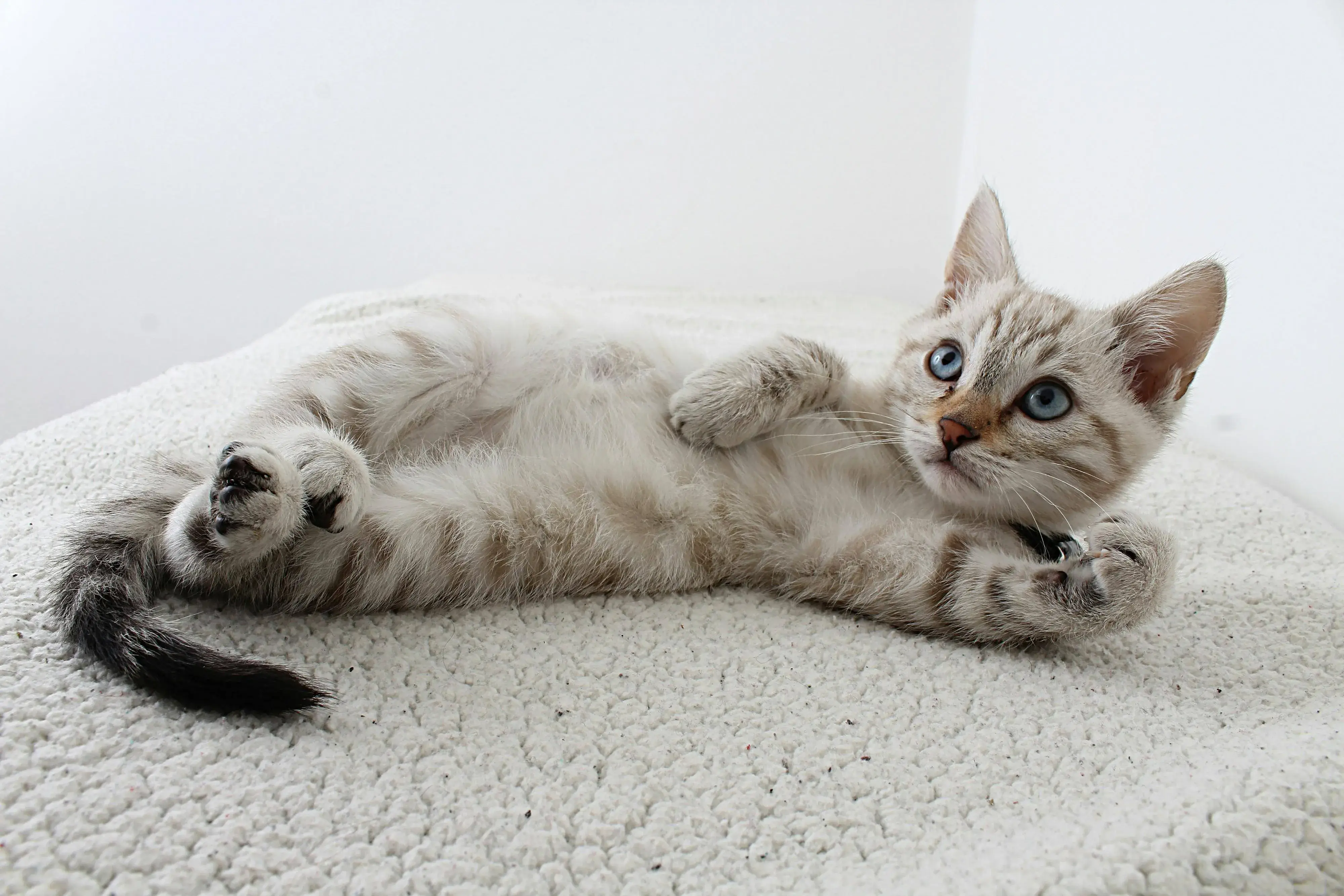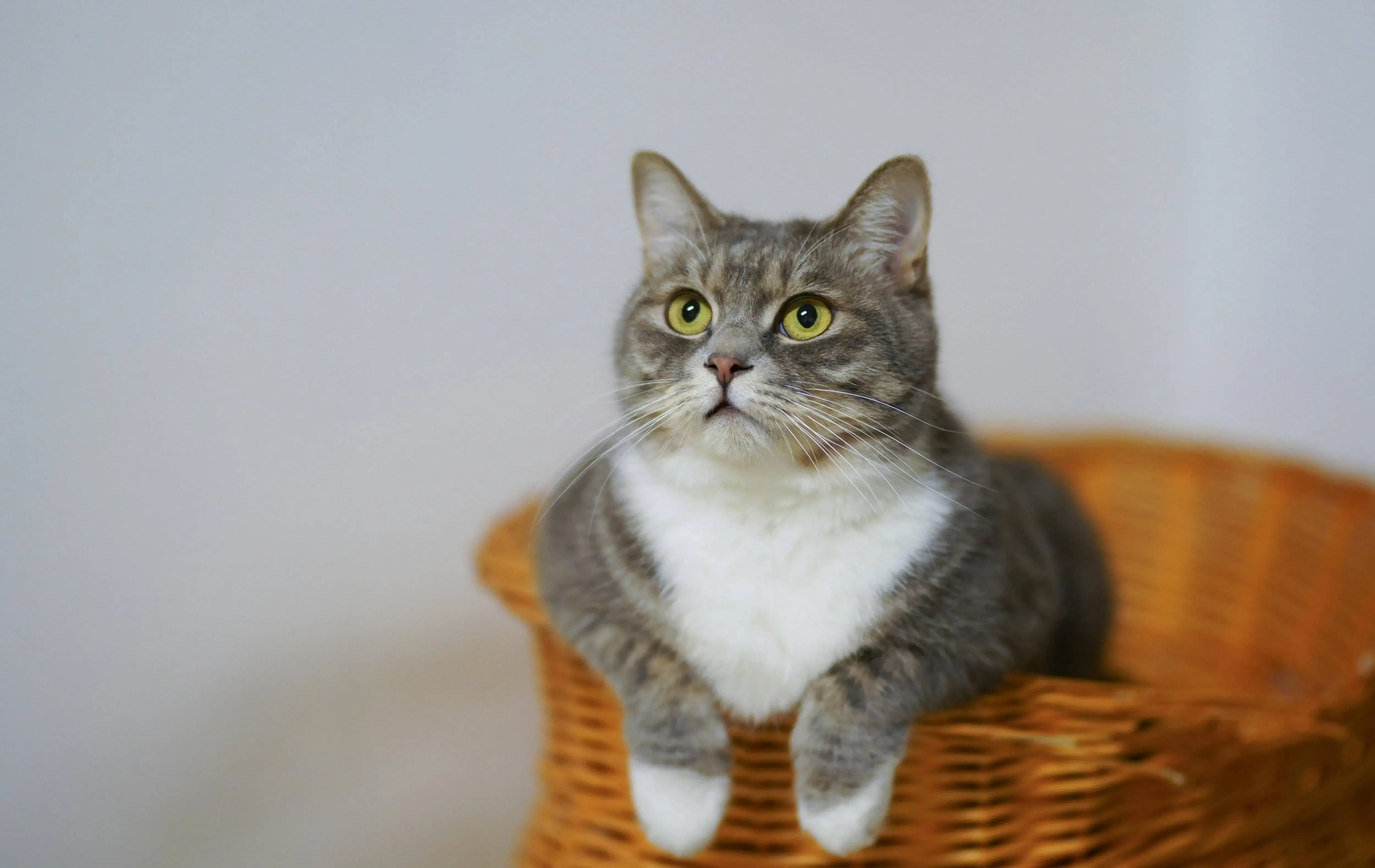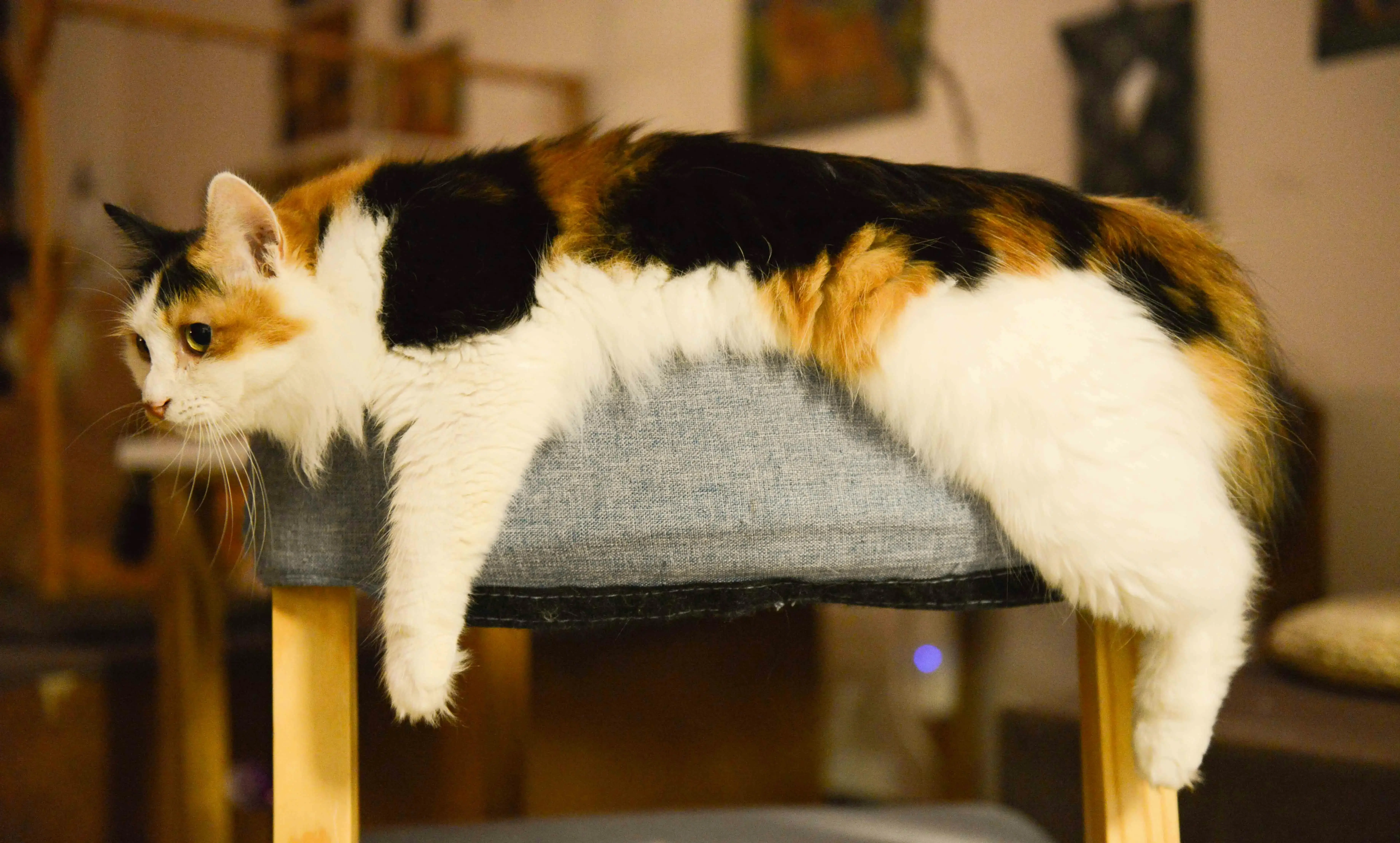

Why Does My Cat Stare at Me?
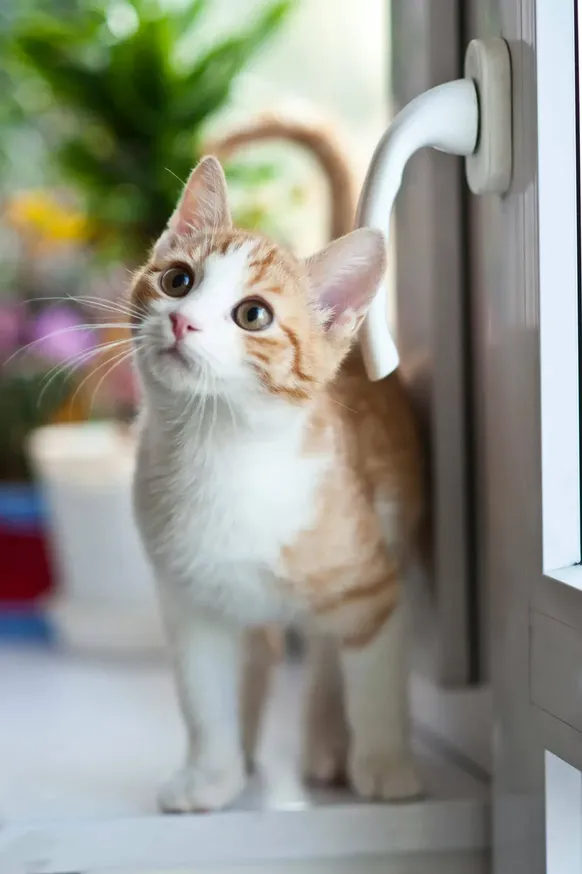
Reviewed by Dr. Ameer Hamza, DVM
You look up from your book and your cat is sitting across the room, eyes locked directly on you, completely still. Or you wake in the night to find two glowing eyes watching you from the foot of the bed. Being stared at by a cat is a common experience, and it tends to provoke a simple question: what are they thinking? The answer depends on context, but cats stare for a surprisingly rich range of reasons — and learning to read the accompanying signals turns a potentially unsettling moment into a window into your cat's mind.
Communication Through Eye Contact
For humans, direct prolonged eye contact is a normal part of conversation and emotional connection. For cats, eye contact carries different weight. In the wild and in feline social dynamics, a sustained direct stare is often a challenge or a threat display — a signal of dominance or imminent aggression. This is why two unfamiliar cats will lock eyes before a confrontation, and why a cat will look away to de-escalate a tense interaction.
With their human household members, however, cats modify this behaviour considerably. A cat that has bonded with you treats you as a social partner rather than a potential rival, and their staring at you reflects communication rather than confrontation. The body language surrounding the stare tells you which type it is: a relaxed cat staring at you from a comfortable perch is communicating very differently from a rigid, pupils-dilated cat staring at you from a cornered position.
The Slow Blink — The Cat's Sign of Trust
The most affectionate form of cat staring is the slow blink. Your cat meets your eyes, holds your gaze for a moment, and then slowly closes their eyes and reopens them — sometimes to a half-open, drowsy-looking position, sometimes all the way and back. This gesture is so distinct that animal behaviour researchers have studied it specifically.
Research published in 2020 by Dr. Karen McComb and colleagues at the University of Sussex demonstrated through controlled experiments that cats were more likely to approach humans who had performed a slow blink toward them than those who had maintained a neutral expression. The study also found that humans could initiate slow blink sequences with cats and receive slow blinks in return, confirming that the behaviour functions as a genuine cross-species social signal rather than coincidence. When your cat slow blinks at you, they are expressing trust and contentment. Returning the gesture communicates the same to them.
Hunger and Anticipation
Some of the most intense and focused cat staring has a very practical explanation: food. Cats learn quickly that their owners control the food supply, and they develop sophisticated routines for communicating their hunger. A cat that stares at you intently around feeding time, follows your eyes, and perhaps vocalises as well is not engaged in mysterious behaviour — they are asking for their meal in the most direct way available to them.
This type of staring is often accompanied by specific body signals: an upright tail with a gentle hook at the tip (a friendly greeting signal), pacing near the feeding area, chirping or trilling vocalisations, or rubbing against your legs. The combination leaves little room for ambiguity. Your cat has worked out when mealtimes typically occur and is monitoring you for the movement patterns that precede feeding. If your cat stares at you specifically at the same time each day, this is almost certainly what is happening.
Hunting Instinct and Focused Attention
Cats are predators by biology, and their visual system is tuned for detecting and tracking movement. When a cat focuses intently on anything — a person, a bird outside the window, a toy — they are engaging a hard-wired attentional system designed for hunting. The fixed, unblinking gaze that characterises a hunting cat is the same physiological mechanism being directed at you when your cat stares with that particular still, concentrated quality.
This is not aggression toward you; it is the cat's natural visual focus mode triggered by your movement or presence. A cat watching you move around the kitchen is processing visual information with the same neural pathways they would use to track prey. You may notice this type of intense gaze is more common when you make quick, unpredictable movements. It is usually completely benign and fades when you become stationary.
Curiosity and Monitoring Their Environment
Cats are naturally curious and vigilant animals. They are alert to changes in their environment and monitor the activities of household members as part of their normal awareness of what is happening in their territory. When your cat sits and watches you for extended periods while you work, cook, or move around the house, they may simply be gathering information — tracking the patterns of their household and staying aware of what you are doing.
This monitoring behaviour can look more intense when you are doing something new or different from your normal routine. A cat that stares at you while you rearrange furniture, bring home a new object, or behave differently from usual is conducting an assessment of the change. Once they determine that the change is not a threat, the staring typically resolves. It is a sign of a perceptive animal, not a problem behaviour.
Medical Reasons — When to Pay Attention
In a small number of cases, a change in staring behaviour can have a medical component worth noting. Cats with cognitive dysfunction syndrome — a form of feline dementia that affects senior cats — sometimes develop a distant, blank stare that is qualitatively different from normal watchful gazing. This is often accompanied by other signs: disorientation, changes in sleep patterns, vocalisation at night, reduced grooming, and altered social behaviour.
Vision changes can also affect how a cat uses their eyes. A cat with developing vision problems may stare more intently because they are compensating for reduced visual clarity. This might be accompanied by bumping into objects in low light, reluctance to jump to elevated surfaces, or increased startling. If your senior cat's staring behaviour has changed noticeably or appears qualitatively different — unfocused, distant, prolonged without apparent trigger — a veterinary examination is worthwhile to assess cognitive and ocular health.
The Slow Blink Technique — Communicating Back
Now that you understand what your cat's stare often means, you can engage more meaningfully with it. The most effective and evidence-based response to an affectionate cat stare is the slow blink. Meet your cat's eyes from a relaxed position, soften your expression, and slowly close your eyes as if drifting into drowsiness, then slowly open them. Keep your body posture relaxed and non-threatening — no leaning forward, no raised voice, no sudden movements.
Many cats will respond by slow blinking back, and some will approach you or begin kneading and purring. The exchange can become a regular, quiet form of interaction between you and your cat that takes only seconds but communicates clearly across the species boundary. Practice this consistently and you will likely notice your cat seeking out these exchanges, sitting near you and waiting for the acknowledgement.
Frequently Asked Questions
Is it bad if my cat stares at me?
No — staring is normal cat behaviour and is usually benign or affectionate. Context and body language determine the meaning. A relaxed cat staring softly at you is communicating contentment or curiosity. Only a stare combined with a rigid body, flattened ears, and lashing tail warrants caution. The vast majority of cat staring is simply communication and monitoring.
What does the slow blink mean?
The slow blink is a feline expression of trust, relaxation, and affection. It occurs when a cat feels completely safe and unthreatened, and research has confirmed it functions as a real social signal between cats and humans. When your cat slow blinks at you, return it to communicate the same trust back. It is one of the most meaningful gestures you can exchange with your cat.
Why does my cat stare at me while I sleep?
Cats monitoring sleeping owners are typically exhibiting a combination of natural vigilance, attachment, and anticipation. Your cat may be keeping a loose watch over you as their bonded companion, or may be waiting for you to wake up and begin the morning routine that includes feeding and interaction. It is generally a sign of attentiveness and care, not anything troubling.
Why does my cat stare at nothing?
Cats staring at apparently empty space are almost always detecting something below human sensory range — a high-frequency sound, a subtle scent, air movement, vibrations, or a tiny insect. Their sensory capabilities significantly exceed ours. This is completely normal behaviour and requires no intervention.
Should I stare back at my cat?
Not with a hard, unblinking stare — that can read as a challenge. Instead, respond with a slow blink: hold their gaze briefly, then slowly close and reopen your eyes. This communicates trust and affection in a language your cat genuinely understands, and most cats will respond positively to the gesture.
Understanding your cat's staring is part of learning their broader communication system. See the guide to why cats knead and why cats headbutt their owners for more on feline affection signals. The cat care hub covers the full range of feline behaviour and wellbeing topics.
Disclaimer: This article is for educational purposes only and does not constitute veterinary advice. If you notice sudden or significant changes in your cat's behaviour, consult a qualified veterinarian.
For a full overview of cat health, nutrition, behaviour, and grooming, see the complete cat care guide.

About the Author
Reena Scot Pet Care Expert & Certified Feline SpecialistReena has over a decade of experience in feline health, behaviour, and nutrition. She has worked with animal shelters, veterinary clinics, and cat adoption programmes, helping owners make informed decisions about care, diet, and long-term wellness for their cats.

✓ Veterinary Reviewed
Dr. Ameer Hamza, DVM Companion Animals (Cats, Dogs, Birds, Fish) Manj Pets & Veterinary Clinic — Lahore, PakistanDr. Ameer Hamza is a Lahore-based veterinarian practising at Manj Pets & Veterinary Clinic. He specialises in companion animal care including preventive health, nutrition, and clinical treatment for cats and dogs.
LinkedIn ProfileReviewed for medical accuracy — not a substitute for professional veterinary advice. Learn about our review process.