
Cat Coat Types: Shorthair, Longhair and Everything Between
Reviewed by Dr. Ameer Hamza, DVM
Not all cat coats are the same, and the grooming, shedding, and maintenance requirements they carry are vastly different. A Persian's flowing, silky coat and a British Shorthair's dense, plush coat are both called "cat fur" but require completely different care approaches. Understanding your cat's coat type is the first step to providing appropriate grooming and preventing coat-related health issues like matting and skin conditions.
The Anatomy of a Cat Coat
Cat coats are composed of up to three types of hair: guard hairs are the long, stiff outer coat hairs that repel water and provide the coat's colour pattern. Awn hairs are the middle layer — shorter, slightly wavy, with a thickening near the tip. Down hairs are the soft, fine, densely packed undercoat that provides insulation. The proportions of these three hair types determine the coat's appearance, texture, and behaviour. Some breeds lack one or more layers — Rex breeds lack guard hairs, Sphynx cats have only a very fine down layer, and some breeds have particularly dense awn and down layers that give them their characteristic plush texture.
Shorthair Coats
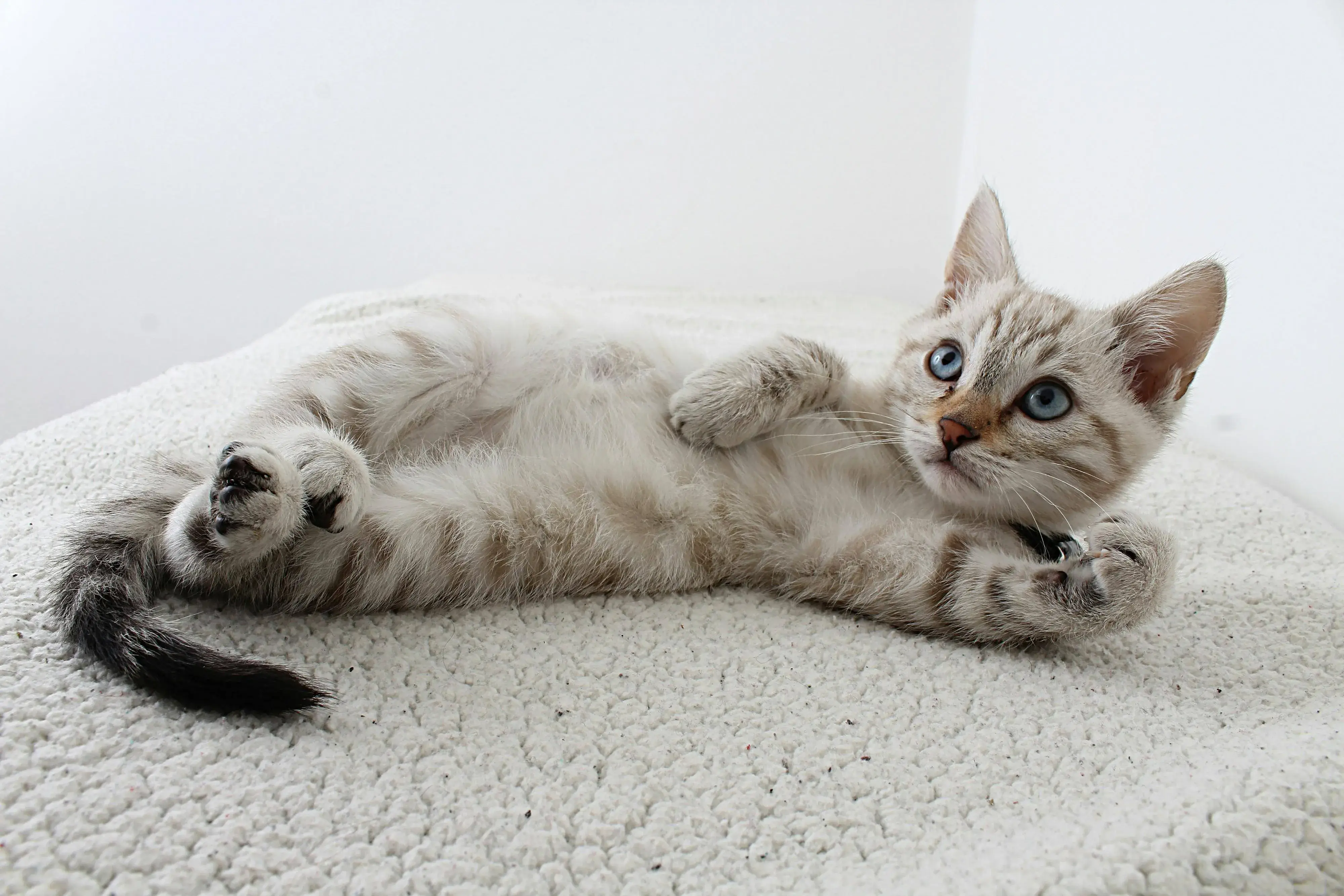
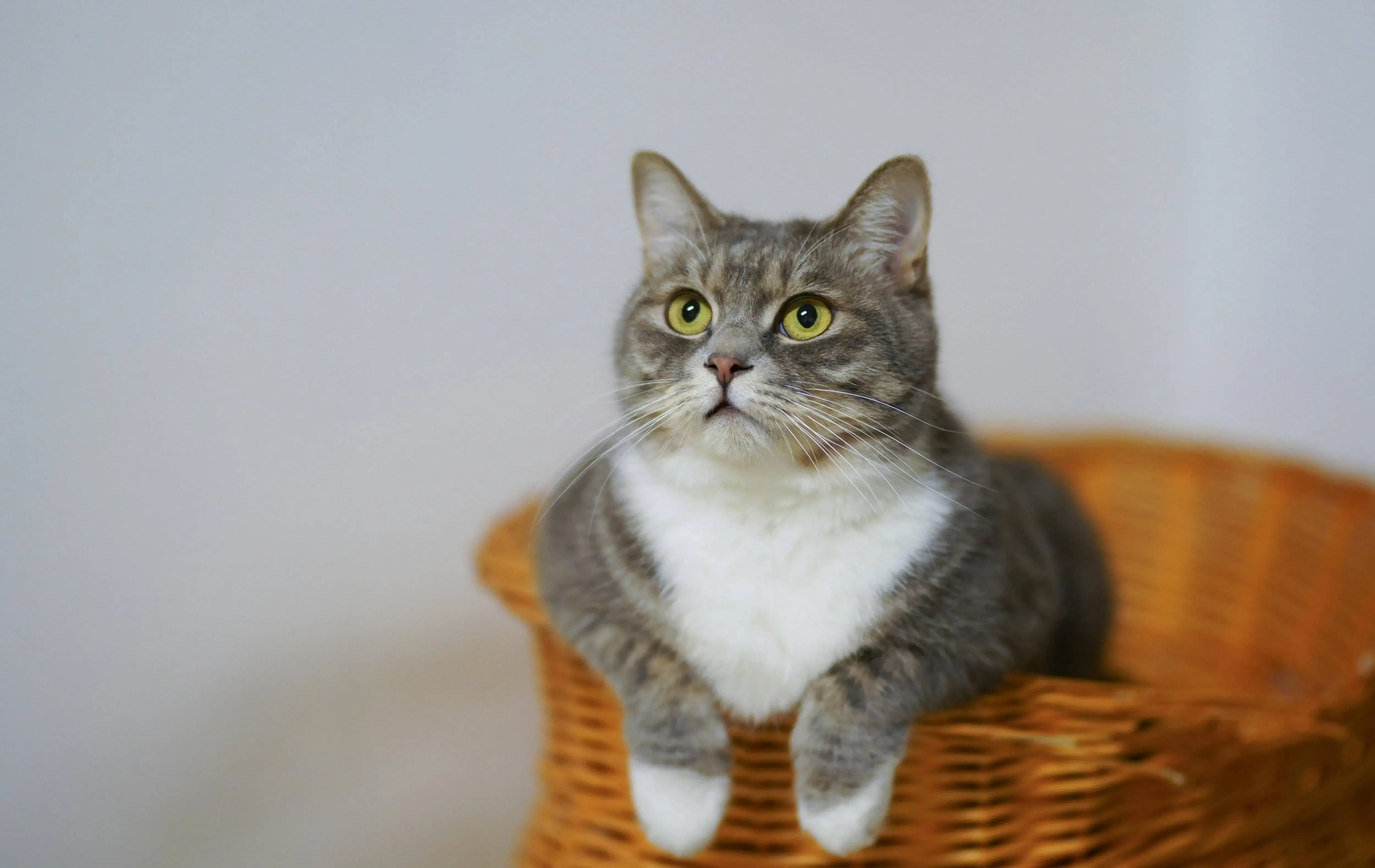
Shorthair coats are the most common and the easiest to maintain. The coat lies close to the body, mats rarely, and self-grooming is generally highly effective at keeping it clean and free of loose hair. Breeds with classic shorthair coats include the Domestic Shorthair (the most common cat in most countries), Siamese, Abyssinian, and Burmese. Despite the lower maintenance requirement compared to longhaired cats, shorthaired cats do shed and benefit from weekly brushing with a soft bristle brush or grooming mitt to remove loose hair and reduce household shedding. British Shorthairs have a particularly dense, plush shorthair coat with a thick undercoat that sheds more heavily than finer shorthair types, particularly during seasonal coat changes.
Medium-Length Coats (Semi-Long)
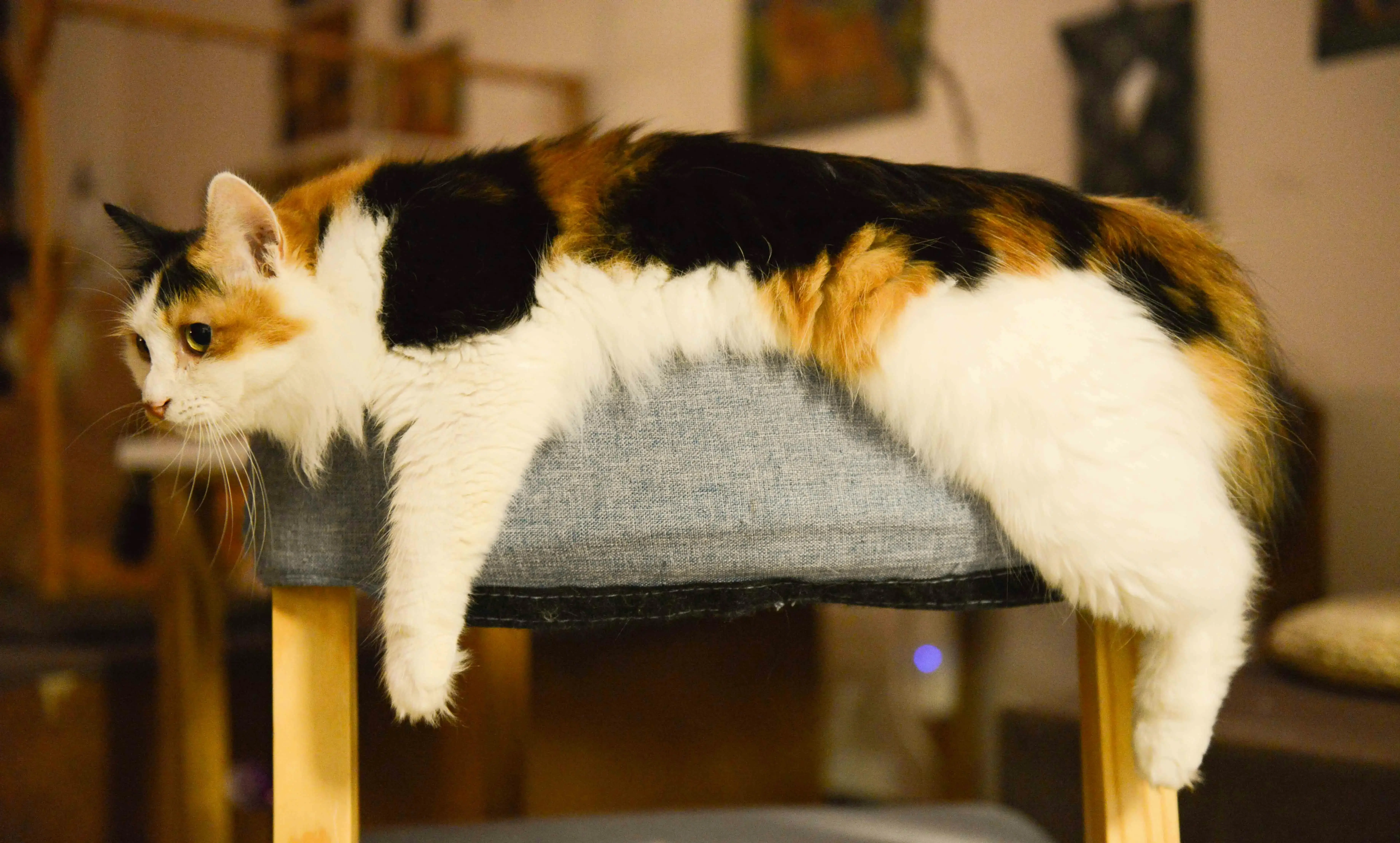
Semi-longhaired cats have a coat that is longer than a typical shorthair but shorter and less dense than a true longhaired breed. Breeds with semi-long coats include the Maine Coon, Norwegian Forest Cat, Ragdoll, Birman, and Turkish Angora. These coats typically have less dense undercoats than true longhaired breeds, which reduces matting tendency compared to Persians or Himalayans, but they still require regular brushing — minimum three times weekly and ideally daily — particularly during spring shedding season. The Maine Coon and Norwegian Forest Cat have coats specifically adapted to cold, wet conditions, with water-resistant guard hairs and very dense insulating undercoats that shed heavily in spring.
Longhaired Coats
True longhaired cats — Persians, Himalayans, and related breeds — have the most demanding coat maintenance requirements of any cat type. The coat is very long, fine-textured, and typically has a dense, soft undercoat that mats readily. Without daily brushing, mats form rapidly in the armpit and groin areas, behind the ears, and around the collar. Established mats tighten against the skin, trap moisture, and eventually require professional grooming or veterinary clipping under sedation in severe cases. Longhaired cats frequently require professional grooming appointments every 6–8 weeks in addition to daily home brushing. Their facial structure also creates additional care requirements — Persians particularly need daily face cleaning around the eyes and nose due to their flat facial structure.
Rex Coats (Curly and Wavy)
Rex breeds — the Cornish Rex, Devon Rex, Selkirk Rex, and LaPerm — have coats that are curly or wavy due to structural differences in the hair shaft. Most rex breeds have reduced or absent guard hair, with the coat composed primarily of awn and/or down hairs. The result is a coat that is often described as soft, plush, or velvet-like, that does not shed in the same visible way as straight-haired coats, and that requires gentle grooming with a soft brush or grooming glove rather than firm brushes that can break the delicate curled shafts. Rex coats can be prone to greasy build-up because the reduced coat volume is less effective at distributing natural skin oils, and some rex cats benefit from occasional bathing to keep the coat in optimal condition.
Hairless Coats (Sphynx and Related Breeds)
Hairless cats like the Sphynx, Peterbald, and Donskoy are not truly hairless — they have a very fine, almost imperceptible layer of down hair that gives their skin a slightly warm suede-like texture. This near-hairless state means their skin produces natural oils that would normally be distributed and removed by the coat, but without significant hair to absorb them, the oils accumulate on the skin surface. Hairless cats need weekly or more frequent bathing to remove oil build-up that would otherwise cause skin irritation and accumulate in skin folds. Their ears also require regular cleaning. They feel warm to the touch (no coat insulation) and must be protected from extreme cold and prolonged sun exposure.
Coat Care for Different Types
Shorthair: Weekly brushing with a rubber grooming mitt or soft bristle brush. Monthly bath if needed or if the cat becomes dirty. Semi-long: Three to five times weekly brushing with a wide-tooth comb and finishing brush. Professional groom every 8–12 weeks optional. Longhair: Daily brushing with a wide-tooth comb and slicker brush. Professional groom every 6–8 weeks. Daily face cleaning for flat-faced breeds. Rex: Gentle weekly brushing or grooming glove. Occasional bath for oil management. Hairless: Weekly full bath. Regular ear cleaning. Skin moisturiser in dry climates. Sun protection for outdoor access.
Frequently Asked Questions
Which cat coat type sheds the least?
Rex breeds and hairless cats shed the least visibly. No breed is truly non-shedding. Siberian and Balinese may be better tolerated by mild allergy sufferers due to lower Fel d1 production.
How often should I brush a longhaired cat?
Daily, ideally. Minimum three to four times per week. Daily brief sessions prevent matting far more effectively than infrequent long sessions.
What causes matting in cat fur?
Shed hair tangling with growing hair, infrequent grooming, dense double coats, and inability to self-groom. Mats tighten over time and require professional attention if established.
Are hairless cats truly hypoallergenic?
No — all cats produce the Fel d1 allergen regardless of coat length. Hairless cats may deposit less on surfaces through shed hair, which may reduce but not eliminate allergic responses.
Can I use human hair products on my cat?
No — different pH and ingredients can cause skin irritation. Use only products formulated and tested specifically for cats.
For a full grooming schedule by coat type, see our cat grooming schedule guide. For all aspects of cat care, visit the complete cat care guide.
Disclaimer: This article is for educational purposes only. For skin conditions, coat problems, or matting that cannot be resolved at home, consult a licensed veterinarian or professional groomer.
For a full overview of cat health, nutrition, behaviour, and grooming, see the complete cat care guide.

About the Author
Reena Scot Pet Care Expert & Certified Feline SpecialistReena has over a decade of experience in feline health, behaviour, and nutrition. She has worked with animal shelters, veterinary clinics, and cat adoption programmes, helping owners make informed decisions about care, diet, and long-term wellness for their cats.

✓ Veterinary Reviewed
Dr. Ameer Hamza, DVM Companion Animals (Cats, Dogs, Birds, Fish) Manj Pets & Veterinary Clinic — Lahore, PakistanDr. Ameer Hamza is a Lahore-based veterinarian practising at Manj Pets & Veterinary Clinic. He specialises in companion animal care including preventive health, nutrition, and clinical treatment for cats and dogs.
LinkedIn ProfileReviewed for medical accuracy — not a substitute for professional veterinary advice. Learn about our review process.