
Cat Grooming Schedule Guide: How Often to Groom Each Coat Type
Reviewed by Dr. Ameer Hamza, DVM
Cats are among the most self-sufficient animals when it comes to coat maintenance — they spend up to 50% of their waking hours grooming — but they still benefit significantly from owner-assisted grooming. Regular brushing removes loose hair, prevents matting, reduces hairball formation, and provides an opportunity to check for parasites, skin changes, and lumps. Nail trimming, ear checks, and dental care round out a complete grooming routine. This guide provides a practical, coat-type-specific grooming schedule and covers all the key areas to address.
Shorthaired Cats: Weekly Grooming Schedule
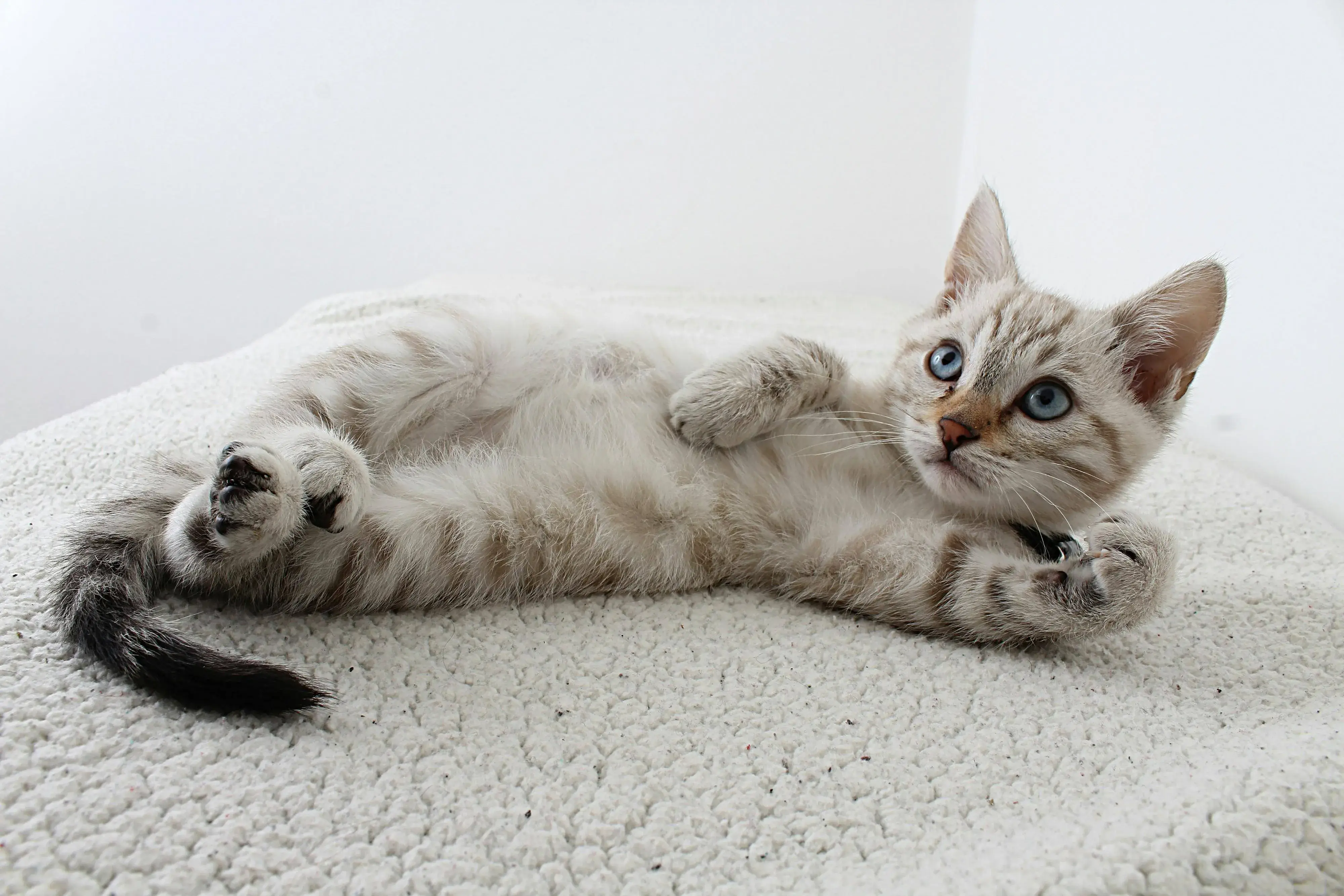
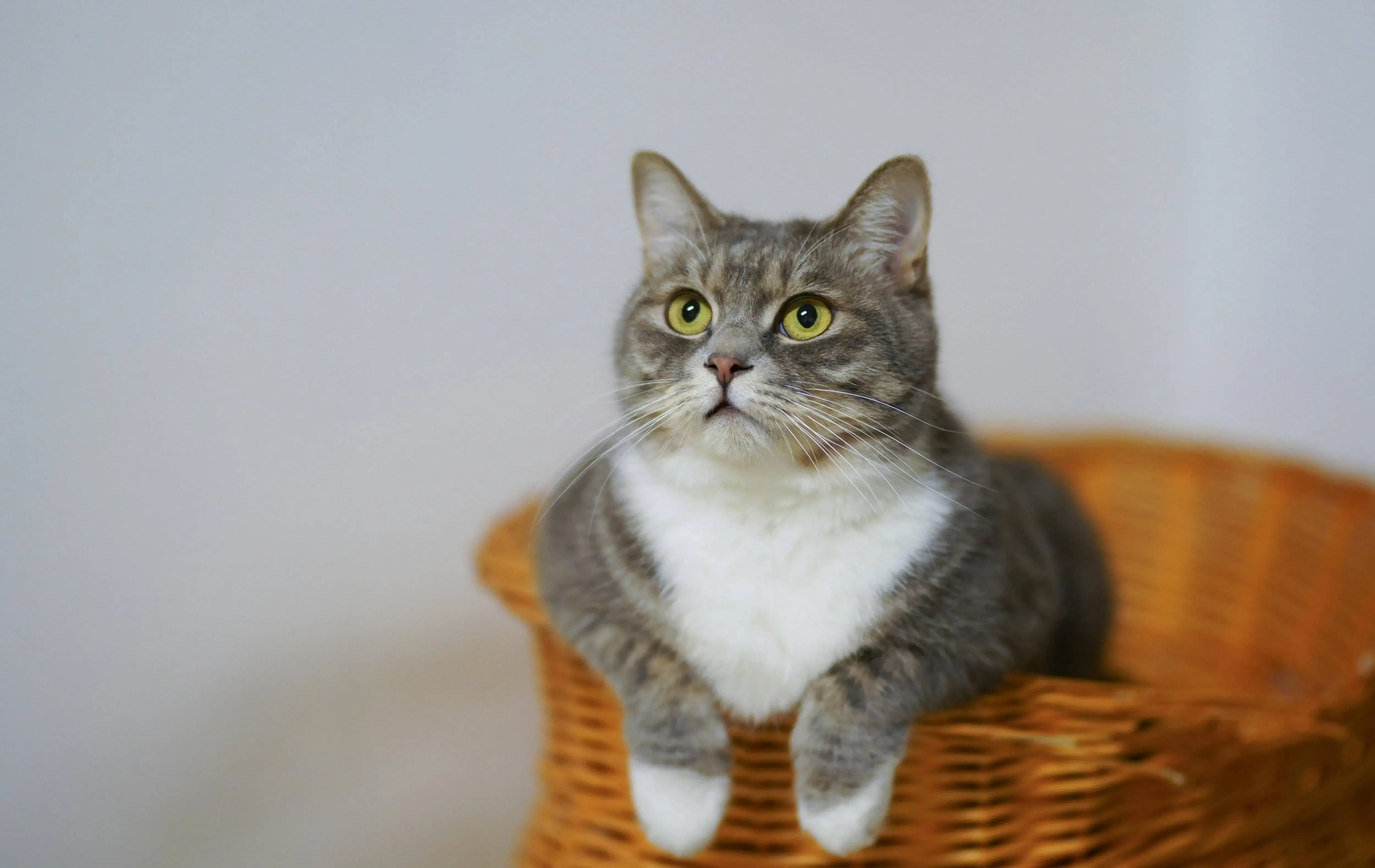
Shorthaired cats — including British Shorthairs, domestic shorthairs, Abyssinians, Burmese, and most other single-coated shorthairs — need the least intensive coat care. Their coat is self-maintaining through regular self-grooming and does not mat. A weekly brush with a soft rubber grooming mitt, a fine-tooth metal comb, or a bristle brush removes loose hair, distributes skin oils, and reduces the amount of shed hair deposited around the home. During spring and autumn shedding seasons, increase to twice weekly. Use this grooming session to check the skin for any abnormalities, check for fleas or flea dirt, and assess the ears and eyes. Nail trimming every two to three weeks. Dental care daily or as frequent as tolerated.
Medium and Semi-Longhaired Cats: 2–3 Times Weekly
Cats with medium to semi-long coats — Turkish Angoras, Siberians, Somalis, Maine Coons with less dense coats — need brushing two to three times per week. Their coats are longer than shorthairs and accumulate more loose hair, but most single-layer medium coats do not mat as readily as fully double-coated breeds. Use a wide-tooth comb or slicker brush. Pay particular attention to areas where mats are most likely to form: behind the ears, in the armpits, around the collar area, and at the base of the tail. Any small tangles identified early can be worked out gently before they develop into full mats. Daily brushing during heavy seasonal shed periods.
Longhaired Double-Coated Cats: Daily Brushing
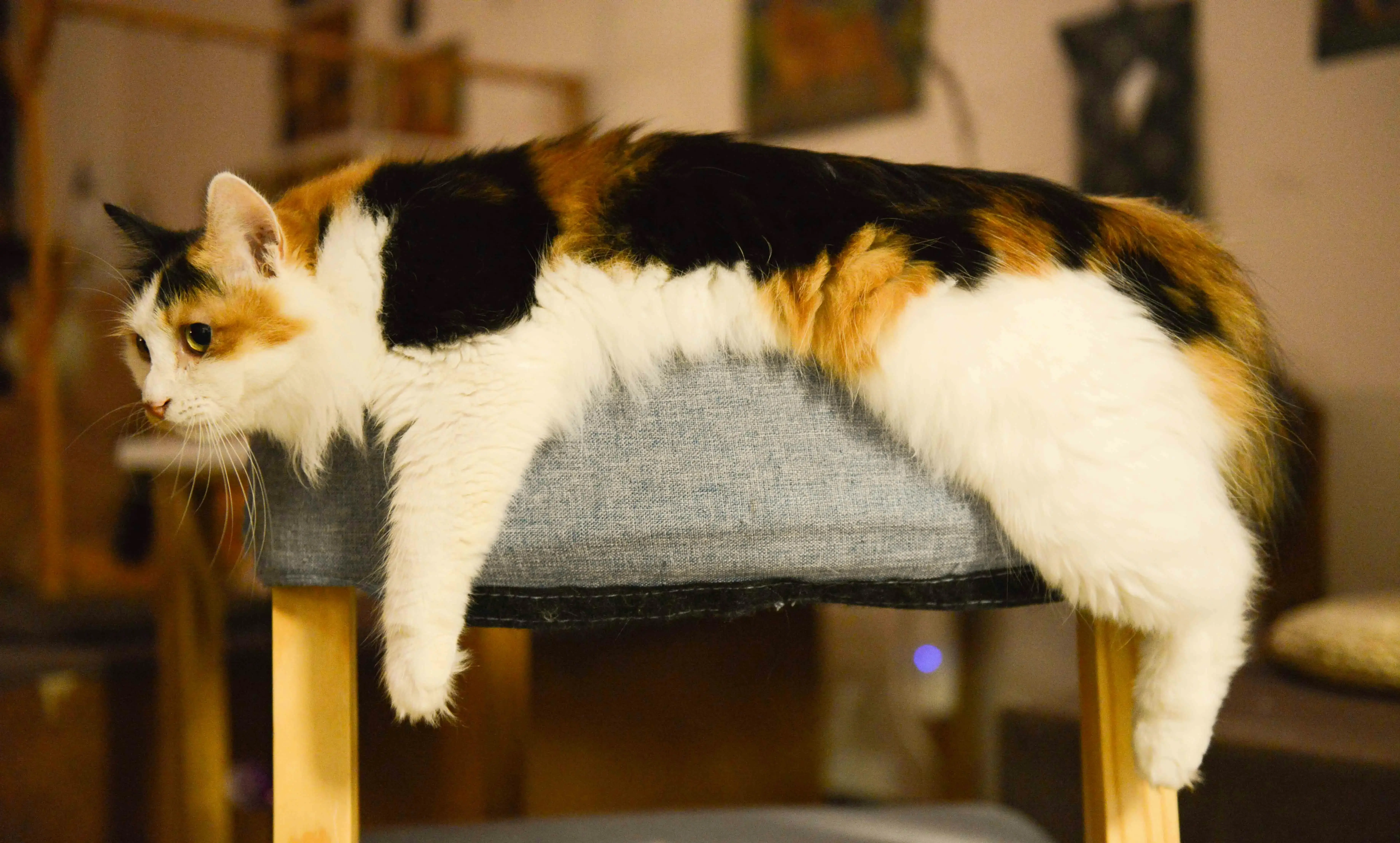
Maine Coons, Norwegian Forest Cats, Ragdolls, Persians, Himalayans, and other longhaired double-coated breeds need daily brushing. The dense undercoat mats readily — even a few days without brushing can allow small tangles to consolidate into mats that require professional grooming or sedated veterinary mat removal to resolve. Use a wide-tooth comb to work through the undercoat, followed by a slicker brush and finishing comb. Work systematically from the tail forward, lifting layers and combing through. Persians require the most intensive grooming — their extremely dense, long coats require 20–30 minutes of daily attention to maintain properly. Professional grooming every 6–8 weeks is a practical supplement for longhaired cats, particularly for trimming around the hindquarters where hygiene issues can develop.
Hairless Cats: Weekly Bathing
Hairless cats (Sphynx, Donskoy, Peterbald) lack the coat that absorbs and distributes skin oils in coated cats. Oils accumulate on the skin surface, developing a greasy, darkish residue that can cause skin irritation and odour if not regularly removed. Weekly bathing with a gentle cat-specific shampoo is necessary. Use warm water, lather gently, rinse thoroughly, and dry completely with a soft towel and a low-heat hair dryer if the cat will tolerate it. Without their coat, hairless cats also need their ears cleaned more frequently (weekly) to remove the oily build-up that accumulates in the ear canals — use a veterinary ear cleaner and cotton balls.
Nails, Ears, and Teeth: The Complete Schedule
Nails: Trim every 2–3 weeks for most indoor cats. Use proper cat nail clippers; cut only the clear tip, avoiding the pink quick. Ears: Check weekly — clean only if there is visible wax build-up, using veterinary ear cleaner and cotton balls. Any discharge, odour, redness, or head shaking warrants a vet check rather than home cleaning. Teeth: Daily toothbrushing with cat-safe enzymatic toothpaste is the gold standard. Even three to four times weekly significantly reduces plaque and tartar accumulation. Veterinary dental checks annually. Eyes: Wipe away any discharge from the eye corners with a damp cotton ball. Flat-faced cats (Persians, Exotic Shorthairs) often have more discharge due to their anatomy and need daily eye corner cleaning.
Frequently Asked Questions
How often should I brush my cat?
Shorthaired: once or twice weekly. Medium semi-longhaired: 2–3 times weekly. Longhaired double-coated: daily. All coat types benefit from more frequent brushing during seasonal shedding.
How often should I trim nails?
Every 2–3 weeks for most indoor cats. Long nails curve into the paw pad if neglected.
Do cats need their ears cleaned?
Check weekly; clean only if there is visible wax build-up. Discharge, odour, or head shaking = vet check, not home cleaning.
How should I approach dental hygiene?
Daily brushing with cat-specific enzymatic toothpaste is ideal. Even a few times weekly helps. Annual dental checks at the vet. Never use human toothpaste.
How often should I bathe my cat?
Most cats rarely or never need bathing. Hairless cats need weekly bathing to remove skin oil build-up.
For more on cat coat types and grooming, see our cat coat types guide and the complete cat care guide.
Disclaimer: This article is for educational purposes only. If you notice skin abnormalities, severe matting, ear discharge, or dental problems, consult your veterinarian rather than attempting home treatment.
For a full overview of cat health, nutrition, behaviour, and grooming, see the complete cat care guide.

About the Author
Reena Scot Pet Care Expert & Certified Feline SpecialistReena has over a decade of experience in feline health, behaviour, and nutrition. She has worked with animal shelters, veterinary clinics, and cat adoption programmes, helping owners make informed decisions about care, diet, and long-term wellness for their cats.

✓ Veterinary Reviewed
Dr. Ameer Hamza, DVM Companion Animals (Cats, Dogs, Birds, Fish) Manj Pets & Veterinary Clinic — Lahore, PakistanDr. Ameer Hamza is a Lahore-based veterinarian practising at Manj Pets & Veterinary Clinic. He specialises in companion animal care including preventive health, nutrition, and clinical treatment for cats and dogs.
LinkedIn ProfileReviewed for medical accuracy — not a substitute for professional veterinary advice. Learn about our review process.